
What Is Over Editing in Real Estate Photography—and Why It Matters
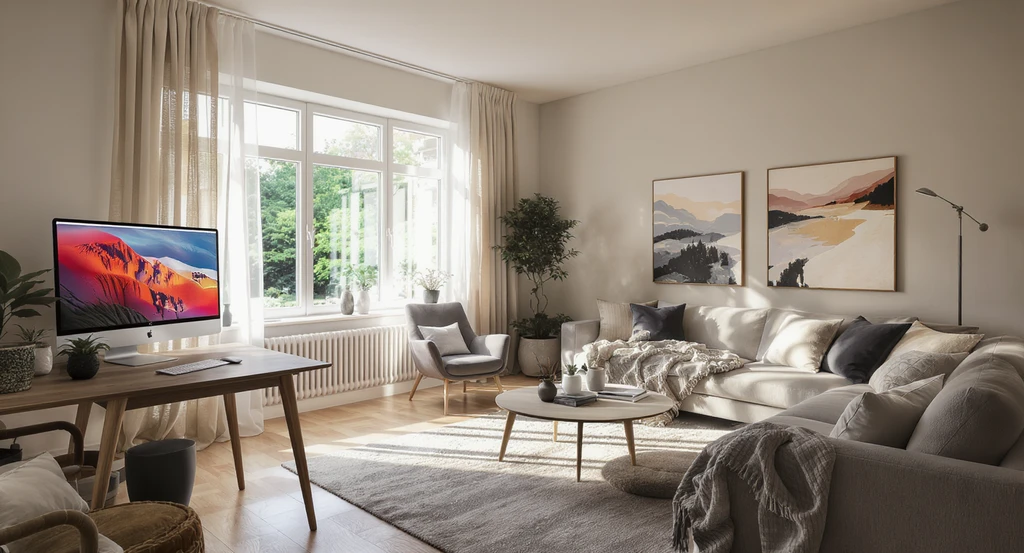
MLS compliant real estate photo editing, best practices for virtual staging disclosure, and hdr photography guidelines help sellers and agents understand how to avoid over editing real estate photos and follow mls rules for photo enhancements.
In real estate, over-editing photos refers to the excessive or misleading alteration of property images to the point that they no longer accurately reflect the true condition or features of the home. This includes digitally removing flaws, changing structural details, resizing rooms, or adding non-existent elements. The safest and most compliant approach is to enhance natural beauty—improving light, color, or clarity—but never misleading buyers about the property’s reality. Over-editing undermines trust, violates many MLS rules, and can negatively impact a sale by creating false expectations that lead to disappointment and lost credibility once buyers visit in person.
In today’s digital-driven listing environment, sellers and agents must understand the boundaries of ethical editing and adopt practices that combine appeal with honesty. This guide explores exactly how to avoid over editing real estate photos, highlighting best practices and the right approach for lasting sales success.
-
Why Over Editing Hurts Real Estate Listings
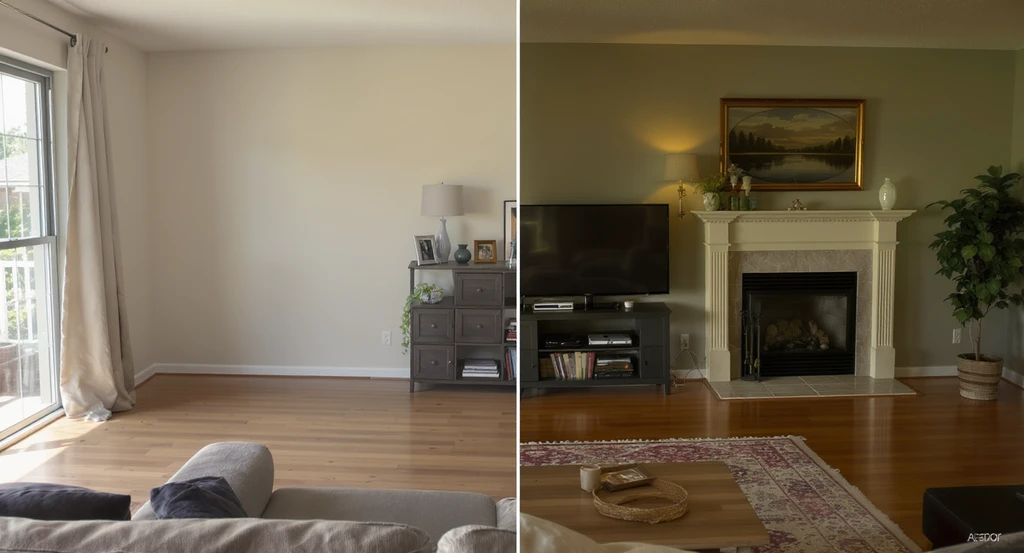
This editorial-quality image demonstrates how to avoid over editing real estate photos by showing mls compliant editing on one side and excessive photo enhancements on the other, reflecting best practices for virtual staging disclosure and hdr photography guidelines for mls listings.
Over-editing listing photos destroys buyer trust, making potential buyers feel misled and causing them to lose interest quickly. Misrepresentation through digital manipulation—such as falsely enlarging rooms or concealing structural problems can lead to disappointment during tours and damage the reputation of the seller and agent involved.
In some cases, sellers risk fines, legal action, or having their listing pulled from the MLS for failing to adhere to disclosure and accuracy guidelines. Even seemingly minor edits (like digitally masking stains, or removing nearby properties) can have far-reaching effects if they distort the core truth of the space.
-
How Proper Real Estate Photo Editing Works
Ethical photo editing in real estate is designed to show the property in its best light without distorting reality. Acceptable practices include correcting exposure, balancing colors, cropping for better composition, or virtually staging a vacant room—provided these changes are fully disclosed. Enhancements must always maintain the scale, integrity, and authentic features of the property.
MLS rules and industry standards generally approve of adjustments to lighting, removing temporary clutter, or adding a blue sky. However, outright digital removal of permanent flaws (like cracks or damage), resizing rooms, or adding furniture that misleads on size crosses the line. Every digital addition or stage that could change a buyer’s perception of the real property should be clearly labeled as virtually staged or digitally enhanced.
-
The Framework: Red Flags and Acceptable Real Estate Photo Edits
To distinguish between permissible and problematic edits, use this simple decision lens:
- Permitted: Light/color correction, removing the photographer’s reflection, cropping, minor virtual staging with disclosure, adjusting sky/weather.
- Prohibited: Removing permanent defects or neighboring features, altering structural elements (walls, doors, windows), resizing or reshaping rooms, editing out necessary details (fire hydrants, electrical panels).
- Conditional: Virtual staging and digital decluttering are allowed only with clear disclosure. Watermarks indicating “virtually staged” help maintain transparency.
-
Practical Guidance: How to Avoid Over Editing Real Estate Photos
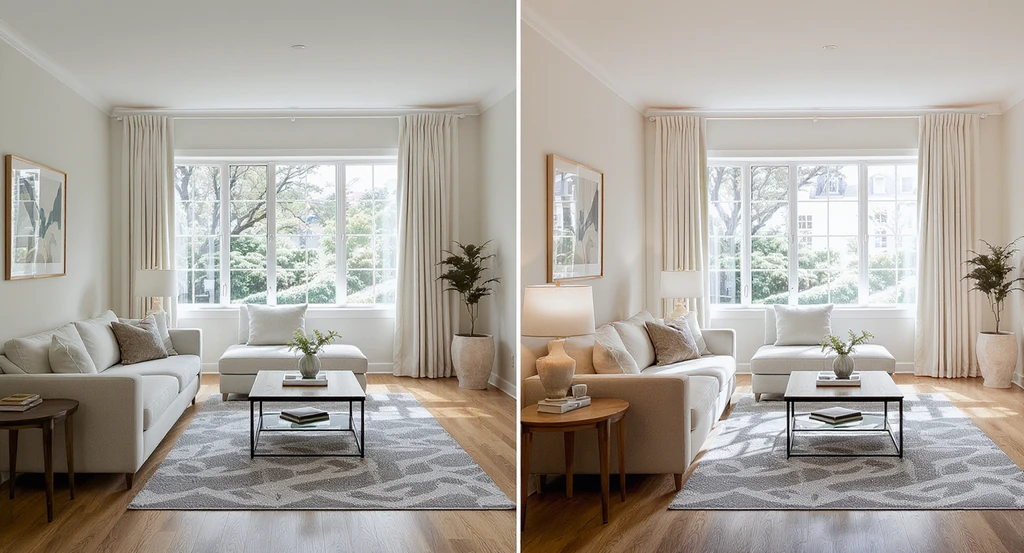
MLS compliant real estate photo editing is shown with best practices for virtual staging disclosure and HDR photography, illustrating how to avoid over editing real estate photos and follow MLS rules for photo enhancements in honest listing images.
To create impactful yet honest real estate images:
- Work with a photographer knowledgeable in MLS-compliant photo editing.
- Disclose all virtual staging and major digital enhancements directly on the photos (watermark, caption, or overlay).
- Never conceal permanent defects or structural realities; address repairs or disclose them honestly.
- Pay attention to furniture scale and placement in virtual staging—avoid shrinking items to make rooms seem larger.
- Review MLS guidelines for allowable photo modifications in your region before posting.
-
Styldod Perspective: The Role of Professional Media in Ethical Listings
Styldod provides a robust ecosystem for property visual media, ensuring that all edits—whether basic enhancements, virtual staging, or AI-driven transformations—are consistent with best practices for transparency and compliance. Styldod emphasizes honest representation, scalable workflows, and decision-ready content for agents, brokerages, and developers, reducing the risk of over-editing while maximizing listing appeal.
For homeowners and design visionaries, REimagineHome enables style experimentation and renovation previews, but these visualizations are intended for planning—not to mislead during listing. Professional support and MLS-ready workflows mean all images align with industry standards, so listings build trust and drive high-quality buyer engagement.
FAQ: How to Avoid Over Editing Real Estate Photos
What editing is allowed for MLS-compliant real estate photos?
MLS generally allows light/color correction, cropping, and removal of temporary items, but prohibits misleading changes to size, structure, and permanent features. Always check your local MLS guidelines.
Does virtual staging need to be disclosed?
Yes. All virtual staging, digital furnishing, or significant image alterations must be clearly labeled as such on the photo or in the listing description.
Can you edit out damage or unwanted features?
No. Concealing permanent defects or misleading buyers about the property’s true condition can result in loss of trust, legal risk, and removal of your listing.
How can I tell if a listing photo is over-edited?
Look for inconsistent scale of furnishings, unnaturally bright lighting, or elements that appear different in person than as presented online. Ask for in-person viewings to clarify doubts.
How does Styldod help prevent over-edited real estate photos?
Styldod provides expert editing workflows and compliance-focused visual services that enhance listings for appeal, while preserving accuracy and trust.
Conclusion: Balance Appeal with Honesty for Lasting Success
Real estate photography is a powerful sales tool, but over-editing ultimately undermines both short-term results and long-term credibility. Enhance, but do not mask—buyers value honest depictions and reward accuracy with stronger bids and trust in the agent and seller. By following best practices and relying on professional media solutions like those from Styldod and ReimagineHome, sellers and agents can create attractive, effective, and fully compliant listings that lead to successful sales and satisfied clients.