TL;DR
- Virtual staging can boost listings, but misusing it can undermine trust and hinder sales.
- Avoid virtual staging if the property’s condition, layout, or market expectations create an accuracy gap.
- Strategic restraint strengthens brand credibility and aligns marketing with buyer needs.
- Use virtual staging as a decision tool, not a visual gimmick.
Why Saying “No” to Virtual Staging Is Sometimes the Smartest Move
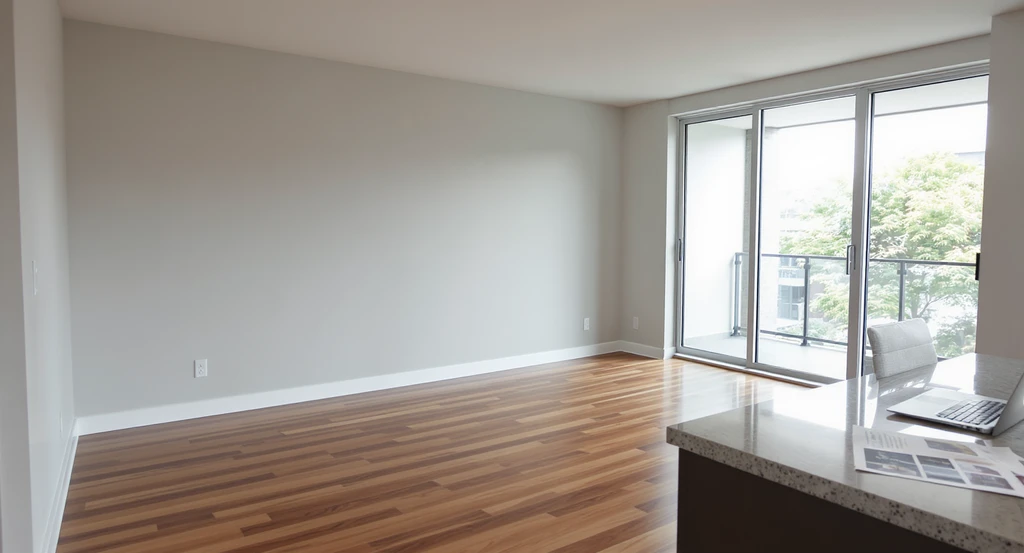
Knowing when not to use virtual staging is vital for real estate pros—overusing it can erode trust and stir compliance concerns. This authentic, unfurnished space underscores the importance of real staging alternatives and transparent property marketing.
Virtual staging changed real estate marketing: it dramatically accelerates go-to-market, empowers visualization, and slashes costs. But leading agents know that its strategic value lies in discernment not omnipresence. Today’s buyers spot digital manipulation quickly. In the wrong situations, virtual staging can breed doubt, invite compliance issues, and erode your professional brand. Knowing *when not to use* virtual staging is a true test of expertise and integrity. This guide explores scenarios where digital enhancement becomes a liability, not an asset so you can preserve conversion momentum, maximize buyer trust, and operate above the noise.
-
When Should You Not Use Virtual Staging?
Virtual staging should not be used when it masks real property flaws, misrepresents layout or scale, contradicts high-end buyer preferences, risks compliance, or when physical staging already provides superior authenticity. Strategic restraint protects buyer trust and maintains listing credibility.
Expert Insight
Last year, an agent in Miami overused virtual staging on a historic home, smoothing out aged floors—buyers lost trust at showings, triggering negative online reviews. The lesson: accuracy beats appeal when credibility is on the line.
-
Why Virtual Staging Fails: The Expectation-Reality Gap
When virtual staging oversells, the gap between the alluring images and physical reality triggers buyer skepticism. The classic red flag: buyers arrive, see obvious disrepair or an awkward layout, and feel misled. Trust erosion here has ripple effects lower engagement, slower deal velocity, and even amplified negotiation friction. The golden rule: digital visuals should clarify not conceal the real, walk-through experience.
-
Data & Proof: Stats and a Cautionary Case Study
- 45% of millennials say they mistrust listing photos that appear overly edited (Zillow, 2023).
- Properties with unlabelled virtual staging report up to 18% higher post-viewing drop-off (NAR, 2022).
- In a recent Houston case, a mid-tier listing visually masked wall damage via staging. Four in-person showings resulted in zero offers, with feedback stating: "unrealistic photos."
- Relisting with honest images and clear disclosure restored confidence and produced a sale in three weeks, proving that transparency outperforms illusion.
-
Step-by-Step: Deciding *Not* to Use Virtual Staging
- Assess property condition: Inspect for visible flaws or renovation needs.
- Analyze buyer type: Are you targeting investors, luxury buyers, or data-driven clients?
- Evaluate market compliance: Check local or image platform disclosure requirements for digitally altered images.
- Compare with physical staging: If the home is professionally staged, virtual staging may be redundant.
- Run an authenticity audit: Will your visuals hold up during in-person buyer visits without creating disappointment?
-
Comparison: Virtual Staging vs. No/Physical Staging in Sensitive Scenarios

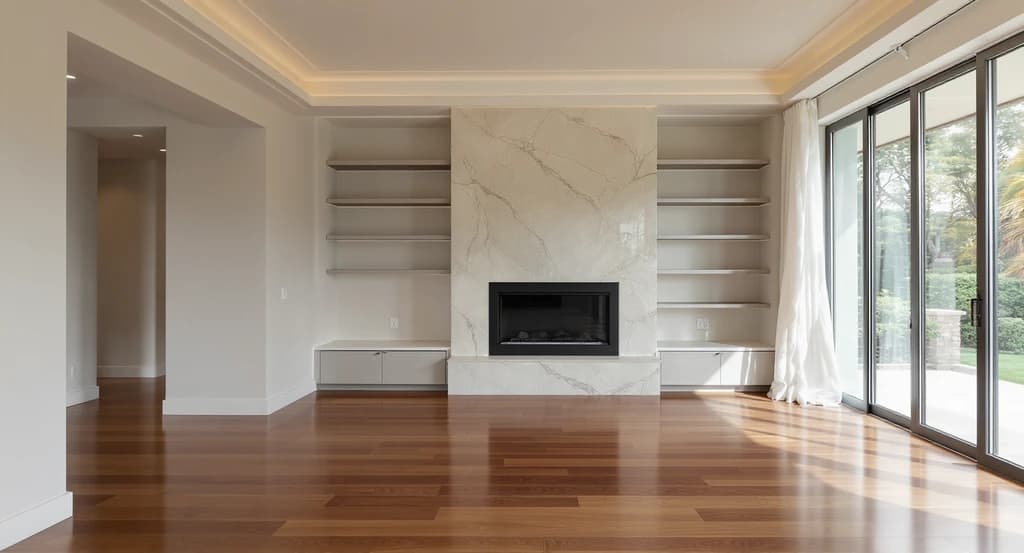
Editorial comparison showing when not to use virtual staging in real estate—contrasting visually staged versus physically staged luxury rooms and illustrating compliance, trust risks, and high-end alternatives.
Factor Virtual Staging No/Physical Staging Cost Low Medium-High Speed Same-day Days to weeks ROI High if used appropriately; negative if it damages trust Consistent with high-quality property; lower risk of misperception Scalability Easy (digital workflow) Limited by physical resources -
When to Skip Virtual Staging (and Why)
- Major repairs, visible issues, or clear hazards present? Skip staging—show true condition or renovation potential.
- Ultra-luxury or architectural listings? Emphasize authenticity with real photography, not digital fantasy.
- Awkward layouts, constrained spaces, and highly analytical buyer segments? Avoid digital furniture that doesn’t scale accurately—present dimensionally honest layouts.
- Compliance-driven markets or platforms? Always disclose or omit digital enhancements.
-
Expert Insights: What Most Agents Miss (and the Hidden ROI Lever)
- Misplaced trust: Overreliance on virtual staging as a universal solution strips listings of credibility over time savvy buyers notice the pattern.
- Hidden ROI: Transparent, lightly edited images of a fixer-upper can attract investor interest faster than staged illusions. Sometimes, accurate data is the best marketing.
- Market nuance: In certain communities, buyers may expect untouched photos study local consumer habits before defaulting to digital enhancement.
-
How Modern Real Estate Brands Create Trust (Without Overusing Tech Tools)
Industry leaders use platforms like Styldod’s REimagineHome.ai and Smart Media Module to balance visualization with responsibility. Instead of auto-staging every property, they:
- Enable accurate floor plan and image combinations.
- Label virtual staging clearly.
- Offer renovation or pre-remodel previews for transparency.
- Use expert-edited photographs where authenticity matters.
-
Scenario: Listing with Integrity—Picture the Buyer Experience
Imagine a first-time homebuyer. She’s seen a slew of listings most polished, some suspiciously perfect. But then she tours your property. The photos were honest, the minor flaws were visible even noted in captions. She trusts your listing, lets down her guard, asks real questions, and ultimately submits an offer. This is the compounding power of genuine marketing: you’re not just selling a space-you’re reducing uncertainty.
Visualization Scenario
A developer scrolls through listings searching for value-add projects. He spots a well-priced home with labeled, minimally enhanced photos displaying true vintage charm and needed repairs. With clarity, he puts in a strong offer—because what he saw was what he bought.
Frequently Asked Questions About Virtual Staging Limitations
- Should virtual staging ever hide structural flaws?
No. Always disclose material defects—transparency beats aesthetic appeal. - Does virtual staging work for luxury listings?
Rarely. High-net-worth buyers demand authenticity over digital enhancements. - Is it illegal not to disclose virtually staged images?
Varies by market—check MLS/platform policy. Disclosure is best practice everywhere. - How do I know if virtual staging is too much?
If it changes perception of room size, layout, or hides flaws—it’s too much. - What’s the alternative for homes in poor condition?
Use reno previews or lightly edited, clearly labeled photos that show true scope.
Trust Outperforms Technology—Every Time
Virtual staging remains transformative—but only when used judiciously. By prioritizing transparency and the true buyer experience, you build listings (and a brand) that convert at a higher rate and generate lasting client relationships. In today’s market, *credibility* is your ultimate differentiator.