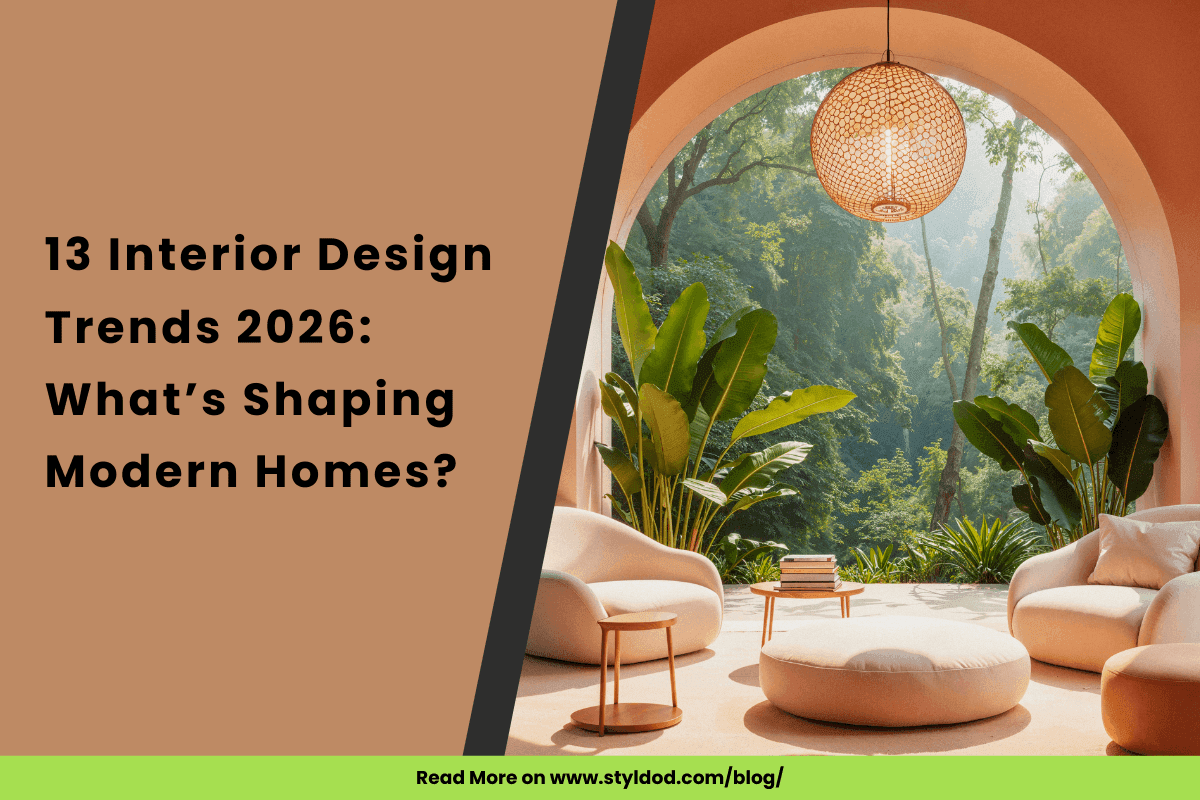
Design in 2026 isn’t about chasing what looks good on Instagram. It’s about creating spaces that actually feel good to live in. You’ll see a strong pull toward quiet luxury, earthy moods, and personal touches that don’t scream for attention. Homes are becoming less about perfection and more about intention. Whether it’s a curved sofa, a muddy green wall, or a handmade light fixture, every detail is starting to tell a story. In this blog, we’ll take a look at the interior design trends that are set to shape 2026 and how they might just reshape the way we think about our spaces. Let's get started.
Interior Design Trends 2026
These are the design trends that are expected to take over living spaces in 2026:
Colour & Material Trends
1. Color Drenching
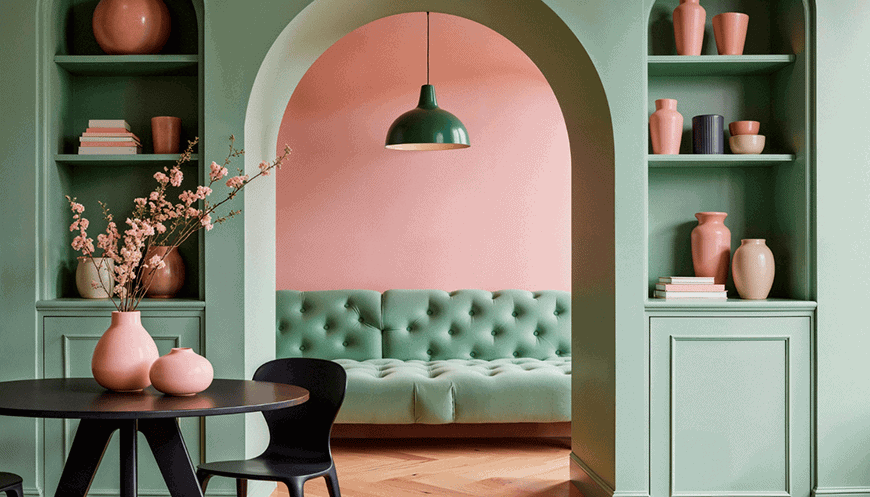
Color drenching means using the same colour all over a room. Instead of choosing different shades for the walls, ceiling, and furniture, you just stick to one main colour. It could be a deep green, a soft pink, or even a strong blue. This gives the room a bold and cozy feel. When everything matches, it makes the space look more put together. People are moving away from plain white walls and trying out richer colours that help a room feel warm and inviting.
2. Warm Layered Neutrals
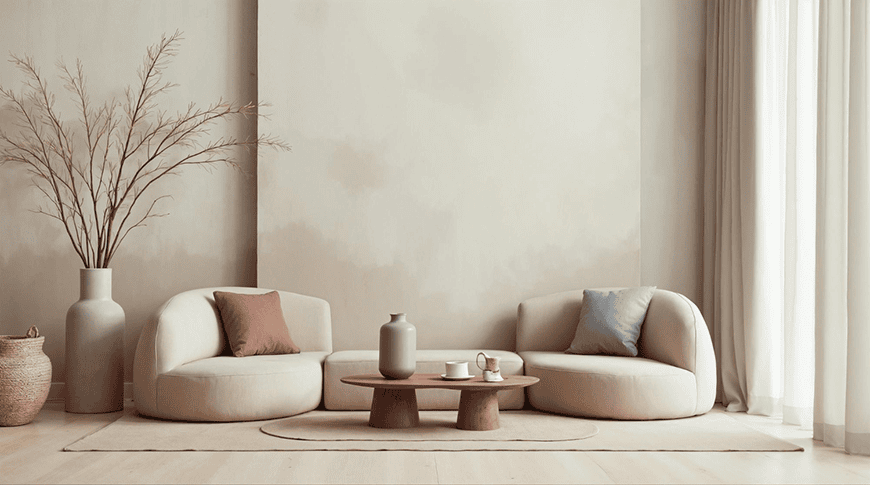
Neutrals are still popular, but now they feel softer and warmer. Instead of cool greys, people are choosing colours like cream, beige, caramel, or clay. These shades make a room feel calm, natural, and more comfortable. You can mix different neutral tones by using cushions, rugs, curtains, and furniture in layers. This makes the space feel full without being too bright or loud. It’s a nice way to keep your home simple but still stylish.
3. Wallpaper Revival
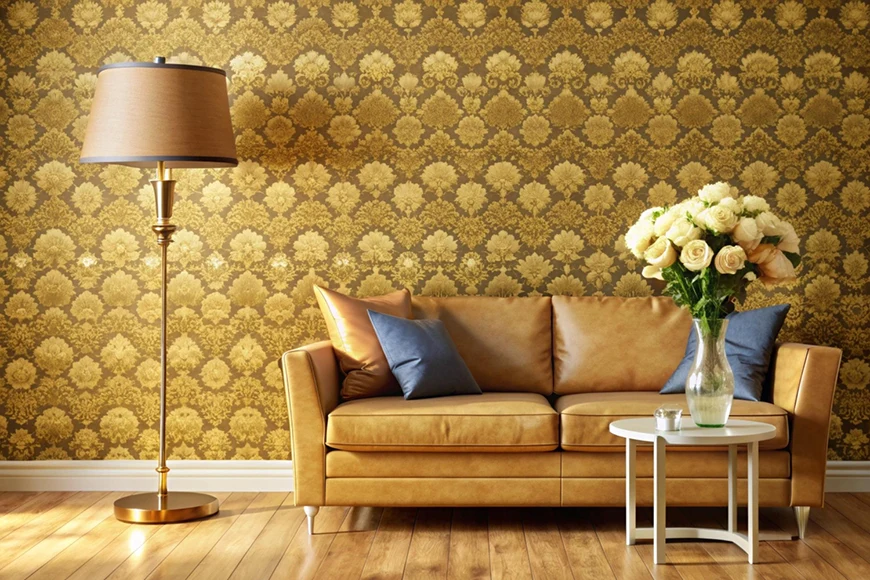
Wallpaper is becoming popular again, and it’s not just for one wall anymore. People are using wallpaper to add life to plain rooms. You can choose soft floral prints, bold shapes, or even textured patterns that feel like fabric. Wallpaper works well in bedrooms, dining rooms, or hallways. And with peel-and-stick options now available, it’s easier to try something new without making a big mess. It gives your walls a bit of personality without needing to repaint everything.
4. Nature-Connected Design
Homes in 2026 are bringing more natural elements indoors. This includes adding indoor plants, using wooden furniture, letting in more sunlight, and choosing materials like stone, clay, or linen. These changes make the house feel calm and closer to nature. Even simple touches like a jute rug or bamboo basket can add that natural look. It helps reduce stress and makes the space feel more peaceful and balanced.
5. Slow Design and Craftsmanship
Instead of buying everything at once, people now prefer to take their time and choose items carefully. They are picking furniture and decor that are handmade, long-lasting, and full of detail. For example, a handwoven rug or a wooden chair made by a local craftsman. These items may cost more, but they add real value and beauty to your space. This trend focuses on quality, not quantity, and makes the home feel more special.
6. Sentimental Decor and Vintage Finds
Many people are now decorating their homes with things that have meaning. This could be an old photo frame, a clock from your grandparents’ house, or a souvenir from a trip. These items bring back memories and tell a story. They mix well with new furniture and add charm to your home. You don’t need to buy all-new decor to make your space look good. Sometimes, old or vintage things make a home feel warmer and more personal.
Furniture & Decor Trends for 2026
1. Quiet Luxury
Quiet luxury continues to shape interior spaces with a focus on subtle richness rather than overt showiness. Materials like natural stone, rich wood, and fine textiles are paired with soft lighting and clean lines. The result is an atmosphere that feels composed and timeless. It appeals to clients who appreciate quality and detail without needing dramatic statements. For staging or selling, this look adds value without overwhelming the space.
2. Organic Shapes
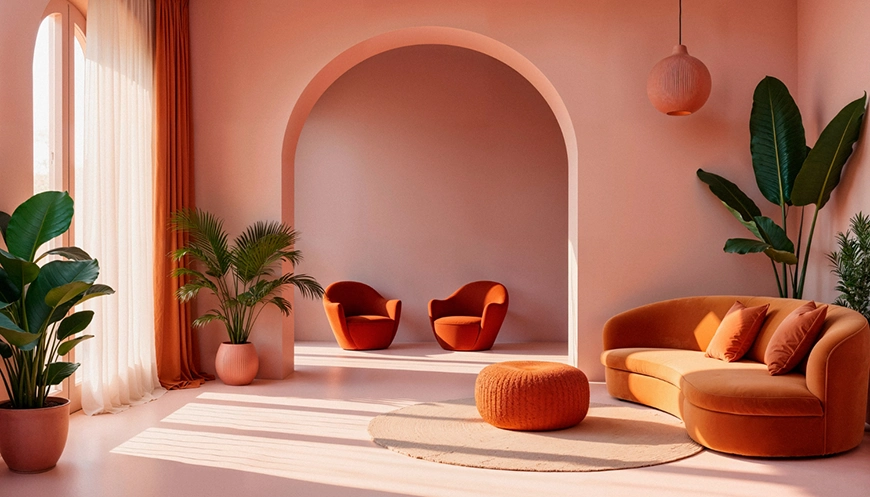
Organic shapes are still going strong. From curvy sofas to rounded coffee tables, furniture inspired by nature adds warmth and softness to interiors. These gentle curves break the stiffness of straight lines and help make rooms feel more welcoming. Whether it’s a wavy mirror or a pebble-shaped chair, these forms create a natural flow that feels easy on the eyes.
3. Sculptural Furniture & Lighting
Furniture and lighting are now doing double duty as artwork. Sculptural pieces like bold light fixtures, abstract chairs, or oddly shaped side tables act as functional decor. These items draw attention and bring character into the room. Even simple setups can feel like curated spaces when you include one or two striking sculptural elements.
4. Art-Led Interiors
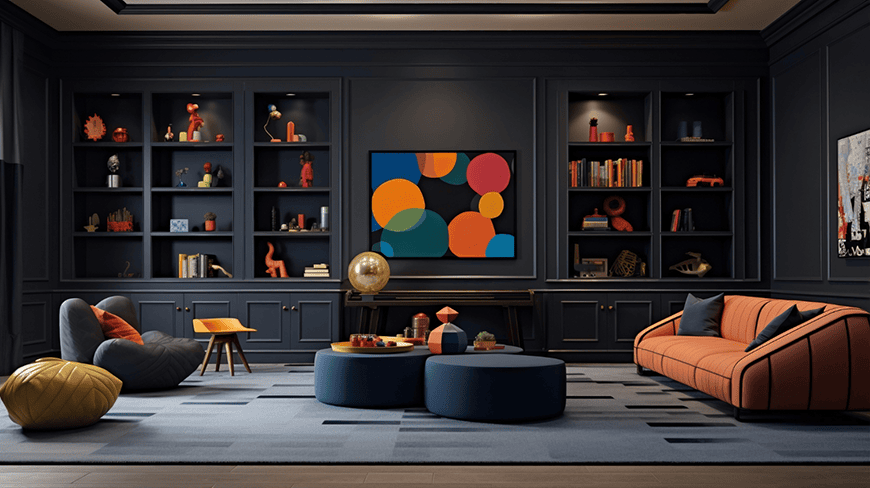
More homeowners and developers are designing entire rooms around one impactful piece of art. Instead of choosing art at the end, it’s becoming the starting point. A standout painting or sculpture often sets the tone, palette, and energy of the room. This approach helps create a strong narrative throughout the home. For designers, it’s a chance to build truly custom interiors. For agents, homes styled this way often feel more cohesive and curated, which adds value during showings.
Tech-Driven Trends in Interior Design 2026
1. Modular & Adaptive Lighting
Lighting is becoming smarter and more layered. In 2026, it's not just about one central light fixture. Homeowners want lighting systems that adapt to their lifestyle, whether it's winding down in the evening or working from home during the day. Modular setups, adjustable warmth, and motion or voice control are now standard requests in mid to high-end interiors. For designers, this means integrating ambient, task, and accent lighting in a way that supports flexibility. For property developers, showcasing adaptive lighting setups during walkthroughs can be a great selling point.
2. Digital Art & Virtual Displays
Digital art is quickly moving from novelty to norm. Smart frames and screens now let homeowners display rotating digital art, personal photos, or even NFTs. This flexibility allows walls to change with the seasons, mood, or occasions. It's especially useful for smaller spaces where there’s not much room to hang large traditional pieces. If you're designing show units or marketing upscale apartments, incorporating digital art elements adds a touch of tech-forward living that buyers remember.
3. AI-Powered Indoor Gardens
Indoor gardening is getting a smart upgrade. AI-powered systems now manage light, water, and nutrients automatically. These indoor gardens let you grow herbs and small plants without much effort. They also make your space healthier and more lively. As sustainability and wellness become bigger parts of home design, these tech gardens offer a blend of beauty and function.
Trends Fading Out in 2026
Here are the home design trends that are starting to quietly fade away in 2026:
1. All-White Kitchens
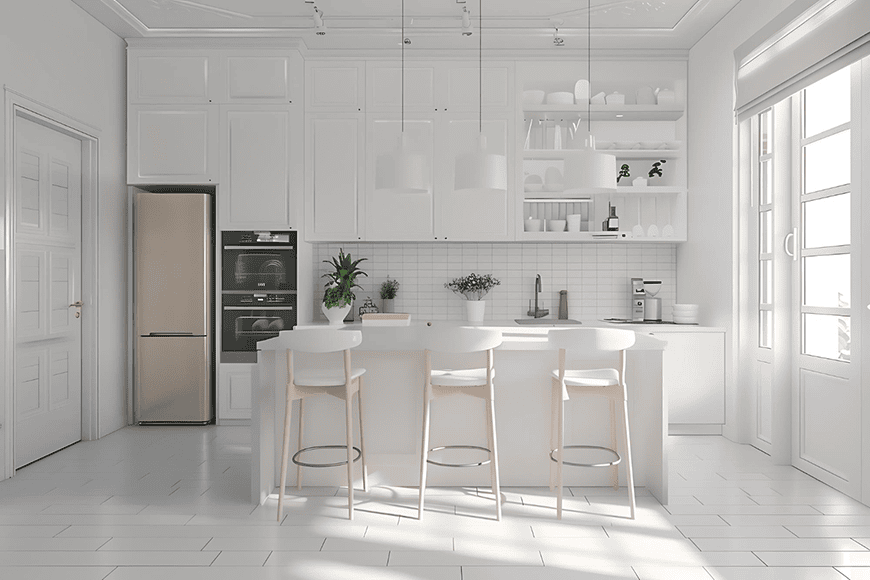
White kitchens once ruled Pinterest boards and renovation dreams. But over time, that spotless, everything-in-its-place vibe started to feel a bit lifeless. In 2026, kitchens are getting their warmth back. People are bringing in soft wood tones, handmade tiles, and cozy lighting that make the space feel like you actually live there. It’s less about looking perfect and more about creating a space where stories and meals unfold naturally. A smudge on a textured backsplash or a well-used wooden counter now feels more real than a flawless white slab.
2. Cool Gray Interiors
For years, cool grays ruled everything from walls to sofas. They felt modern and safe. But as life gets more hectic, people are turning to colors that feel softer on the eyes and easier on the soul. Shades like warm beige, clay, sage, and taupe are becoming more popular because they create a calming backdrop. These colors don’t just look good, but they help a space feel like home.
3. Ultra-Minimal Spaces
There was a time when a bare coffee table and one lonely chair were considered elegant. But now, ultra-minimalist homes often feel more like waiting rooms than living rooms. The shift in 2026 is toward spaces that show a little soul. People want shelves that tell stories, cozy corners with layered textiles, and furniture that feels used, not untouched. Clean doesn’t have to mean empty. The new minimalism still values simplicity, but with warmth and emotion stitched into every part of the room.
4. Matchy-Matchy Furniture and Metals
Perfectly coordinated furniture sets and matching metal finishes used to feel polished. Now, they feel flat. People are mixing things up. A brass lamp with a black side table. A vintage chair next to a modern couch. These combinations bring life and soul into a room. They show that the space was built over time with care and curiosity, not just ordered off one catalog page.
5. Industrial Aesthetic
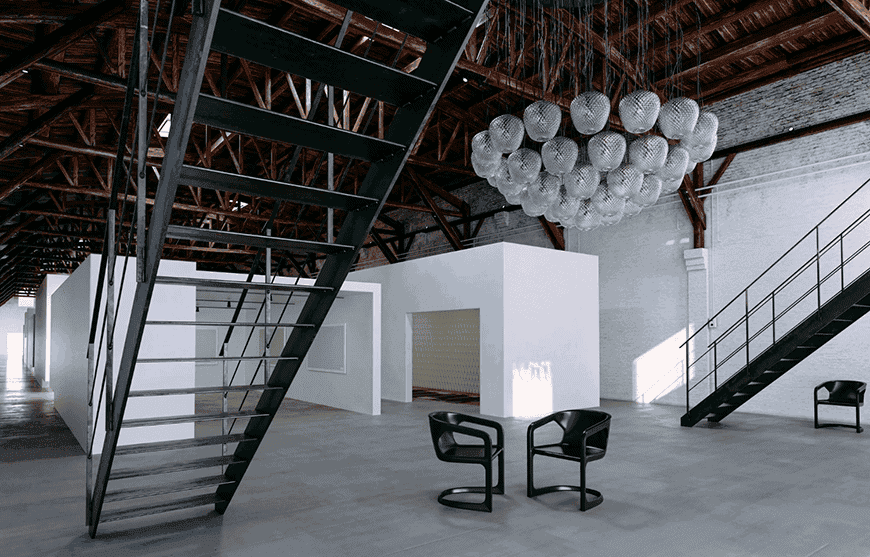
Once bold and fresh, the industrial trend brought a lot of concrete, exposed brick, and metal into our homes. But let’s face it, after a while, living in something that feels like a converted factory can get tiring. These days, people are softening their spaces. Plaster walls, warm lighting, linen sofas, and rounded forms are all gently taking over. You can still keep a vintage metal light or that cool iron shelf, but now they’re mixed in with softer materials that invite you to stay in and slow down.
How Can Styldod Help Interior Designers?
If you're an interior designer trying to keep up with the fast-changing trends of 2026, Styldod can make your job a lot easier. It helps you turn plain property photos into beautifully staged spaces using AI, so you can show off your design ideas without waiting for physical setups. Whether you're working on minimalist Japandi styles or bold color palettes that are trending this year, Styldod gives you the tools to create and share visual concepts faster. You get access to virtual staging, 360-degree renders, and mood board tools that save time and help your clients picture the final look. This means less back-and-forth and more time focusing on the creative side of your work.
Ready to bring your 2026 design ideas to life?
Closing Thoughts
Interior design in 2026 is less about show and more about how your space actually feels to live in. Warm colours, natural textures, and personal pieces are quietly replacing cold, perfect-looking rooms. With tools like Styldod, it’s also easier to experiment, test ideas, and present polished visuals before a single piece of furniture moves. If you focus on comfort, character, and thoughtful choices, your spaces will feel current and still age well.
Frequently Asked Questions (FAQs)
1. What are the biggest interior design trends for 2026?
In 2026, natural textures, curved furniture, quiet luxury, and modular layouts are taking over. You’ll also see more eco-conscious materials, built-in tech, and warm, earthy tones. Designers are blending comfort with purpose to create spaces that feel calm, useful, and stylish all at once.
2. Which interior design trends are going out of style in 2026?
Fast furniture, minimalism with no warmth, harsh greys, and open shelving in kitchens are slowly fading. People are moving away from cold, lifeless spaces and choosing interiors that feel more lived-in, personal, and functional.
3. How is AI influencing interior design in 2026?
AI tools now help plan layouts, generate mood boards, and suggest colour palettes based on your preferences. Designers are using AI to speed up revisions, visualise spaces in 3D, and explore more creative options without starting from scratch.
4. What colors are popular in 2026 interiors?
Expect warm browns, muted terracotta, olive green, soft black, and dusty blues to dominate. These shades bring calm and depth into the space. Instead of bright pops, 2026 interiors favour richer tones that feel grounded and timeless.

.png&w=3840&q=75)