TL;DR
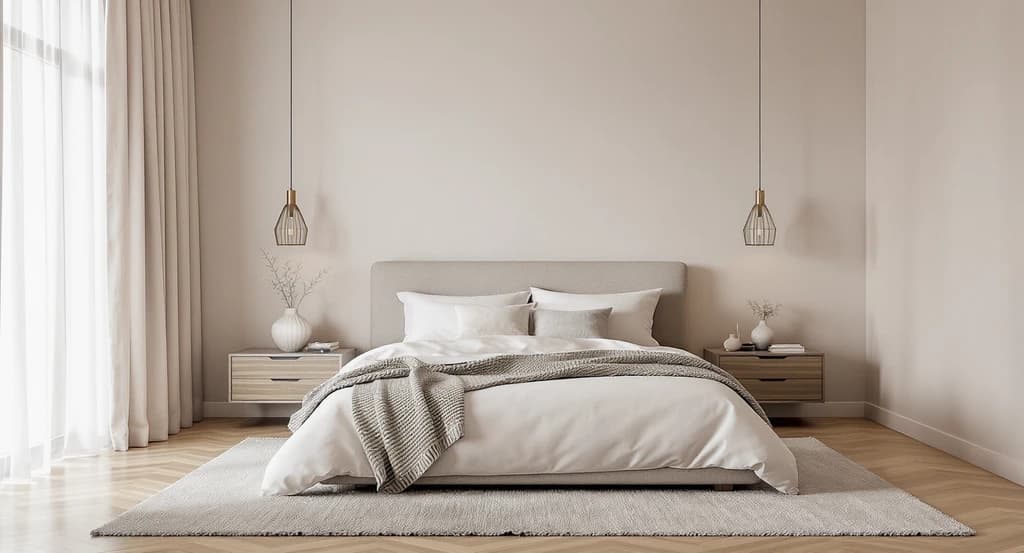
Modern bedrooms in 2026 focus on simple, intentional design, soft layered lighting, natural textures, clean layouts, and neutral colors. Using our approach makes the room more comfortable and visually appealing, which helps attract buyers and improve listing performance. Avoiding clutter and common design mistakes is key to creating spaces that look great in photos and feel inviting in real life.
Why Bedroom Design Directly Impacts Listing Performance
Why Bedroom Design Directly Impacts Listing Performance Image
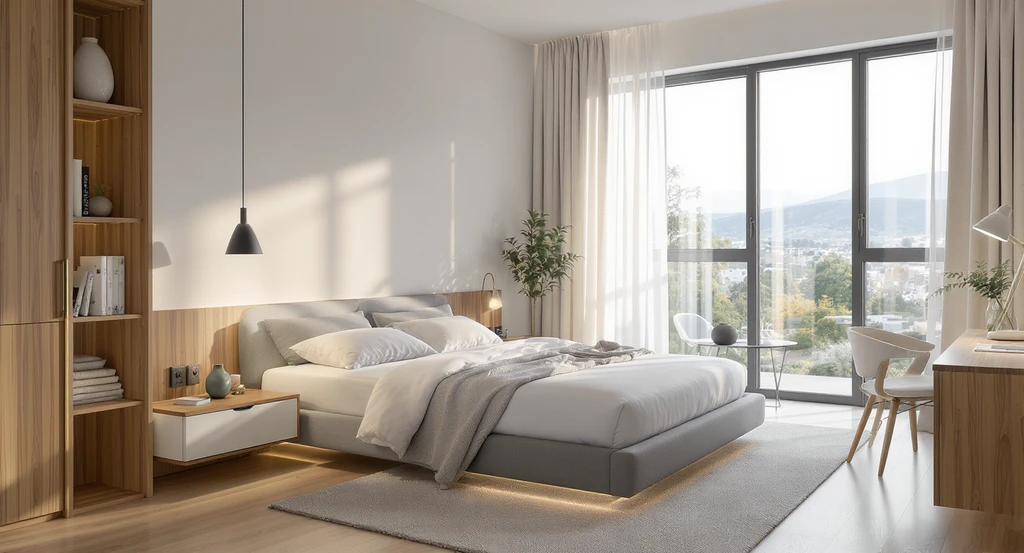
Most people struggle to create bedrooms that truly attract buyers and stand out in listings. This happens because bedroom design decisions are often made by default: mismatched furniture, excessive decor, and poor lighting undermine the perceived value of the space. In 2026, buyers expect bedrooms to feel calm, intentional, and functional. A modern bedroom is not about emptiness. Instead, it’s about clarity: every visual element should support comfort and visual structure. For agents, designers, and homeowners, mastering these fundamentals is critical for maximizing listing performance. This guide explains, step by step, the design system that consistently delivers calm, market-ready modern bedrooms. We outline the psychological reasons behind buyer preferences, address common mistakes, and show how every visual decision influences listing outcomes.
-
The Psychology Behind Modern Bedrooms: Why Simplicity Works

The Psychology Behind Modern Bedrooms: Why Simplicity Works Image
Visual clutter triggers stress and weakens the sense of relaxation. According to environmental psychology, bedrooms with balanced lighting, structured layouts, and minimal distraction rate much higher in perceived comfort. Buyers are subconsciously drawn to spaces that feel manageable and inviting, even from a photo. As explored in our guide on Styldod's Smart Media Module, honest, clear visuals support stronger buyer trust. Modern bedrooms, with their focus on structure and layering rather than excess, trigger emotional responses that translate to stronger listing engagement and higher perceived value.
Expert Insight
A listing agent repeatedly saw higher engagement on properties with modern bedrooms, until a bold color accent disrupted buyer perception, leading to a drop in interest. Restoring the neutral palette and strategic lighting reversed the decline and reaffirmed that simplicity outperforms visual noise every time.
-
Confusing Choices: What Makes Bedroom Design Difficult?

Confusing Choices: What Makes Bedroom Design Difficult? Image
Most get stuck deciding what to keep, remove, or highlight. The friction comes from three sources:
- Uncertainty about what buyers want to see
- Difficulty visualizing changes before committing
- Confusion around layout, lighting, and color choices
-
The Modern Bedroom System: 5 Essential Visual Elements

The Modern Bedroom System: 5 Essential Visual Elements Image
Apply these five elements for a high-performing modern bedroom:
- Neutral Color Base: Use whites, greys, or soft beiges to establish visual calm and make spaces look larger in photos.
- Structured Layout: Prioritize open flow, compact beds, and ensure walkways of at least 24–30 inches around the bed for a sense of spaciousness.
- Layered Texture: Combine wood, fabric, and natural elements for depth and warmth, avoiding flatness in images.
- Layered Lighting: Blend ambient, task, and accent sources. Warm tones (2700–3000K) improve both comfort and camera readiness.
- Focal Point: Use a statement headboard, art, or accent wall to anchor the space and create visual memorability.
-
Expert Design Rules for Bedrooms That Perform
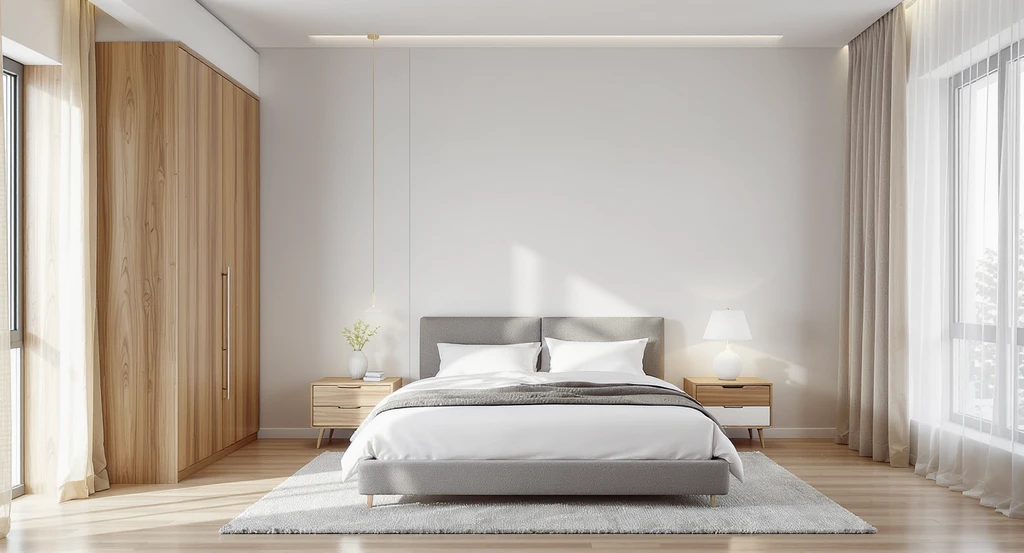
This expert-designed modern bedroom layout for 2026 highlights calm, functional spaces using proportion, visual weight, and negative space rules for comfort and enhanced listing appeal.
Professional designers use structure to drive both comfort and better listing outcomes. Three rules always apply:
- Proportion Rule: Bed should cover about 60–70% of the main wall for balance.
- Visual Weight Rule: Offset heavy furniture with lighter accents for a balanced feel on camera.
- Negative Space Rule: Keep 20–30% of visible floor and wall space clear to enhance openness.
-
Modern vs Minimalist vs Contemporary: Know the Difference
Modern vs Minimalist vs Contemporary: Know the Difference Image
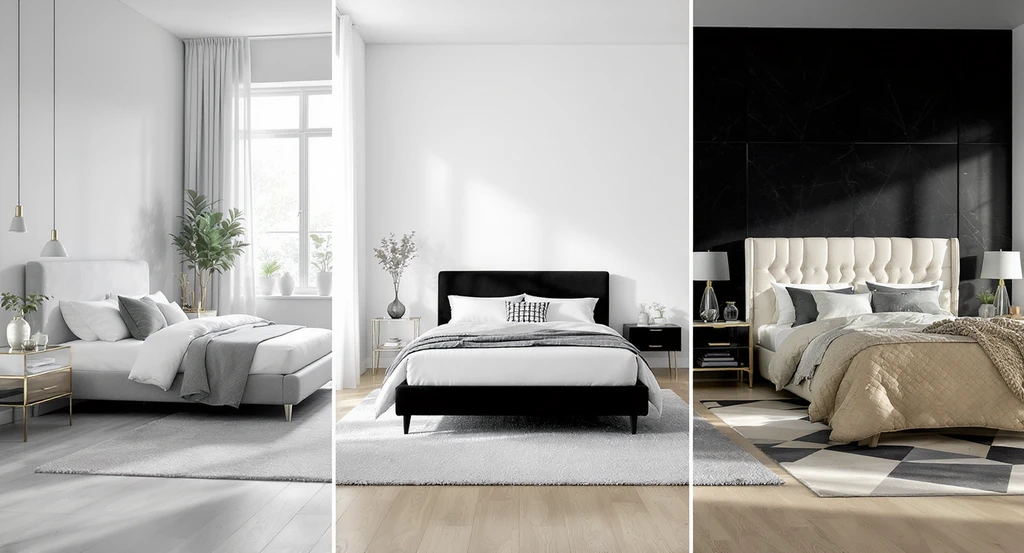
Modern bedrooms in 2026 are not merely minimalist, where emptiness can feel cold, nor are they contemporary, which chases trends. Modern design means balanced structure, consistent layering, and a clear visual focus. For real estate outcomes, modern bedrooms offer broader buyer appeal by delivering a sense of intentional completeness without visual excess or outdated trends.
-
Practical Workflow: How to Apply the Modern Bedroom System

Practical Workflow: How to Apply the Modern Bedroom System Image
Use this repeatable process to remove subjectivity and improve consistency:
- Start with current bedroom photos. Note areas of clutter, poor lighting, and layout blockages.
- Set a neutral base across walls, bedding, and major surfaces.
- Arrange furniture for clear pathways. Use platform or compact beds to maximize visible space.
- Layer pillows, throws, wood accents, and woven textiles for visual depth.
- Install layered lighting: ambient ceiling source, bedside task lamps, and accent uplights or strips.
- Choose one focal feature, a headboard, standout artwork, or accent wall.
-
Visual Layering: Why Lighting and Texture Matter Most

Visual Layering: Why Lighting and Texture Matter Most Image
Layered lighting and texture are the fastest way to raise perceived value. Single-source or harsh lighting flattens the room, making it feel smaller and less comfortable, both in person and online. Bedrooms with layered lighting (ambient plus bedside and accent) photograph 50% more inviting. Depth comes from combining different textures; organic elements like wood, linen, and tonal rugs soften the space and enrich listing visuals. For maximizing curb appeal at any hour, editing techniques such as virtual twilight also play a supporting role, Styldod's Smart Media Module and its impact on listing performance.
-
Small Space, Big Return: Modern Bedroom Case Study

Small Space, Big Return: Modern Bedroom Case Study Image
Consider a 10×12 foot bedroom:
- Before: Bulky bed, mixed colors, single overhead light, exposed clutter.
- After: Centered platform bed with hidden storage, unified neutral palette, layered warm lighting, and one stylish focal point.
-
Visual Tools: Preview Before Committing

Visual Tools: Preview Before Committing Image
The safest way to avoid costly mistakes is to preview the bedroom using visualization tools. Upload a room photo, test layouts, and swap materials or lighting digitally before you buy or stage. Platforms like ReimagineHome | AI Interior Design Ideas & Virtual Staging let both professionals and owners see changes before making them real, reducing friction throughout the design and listing process.
-
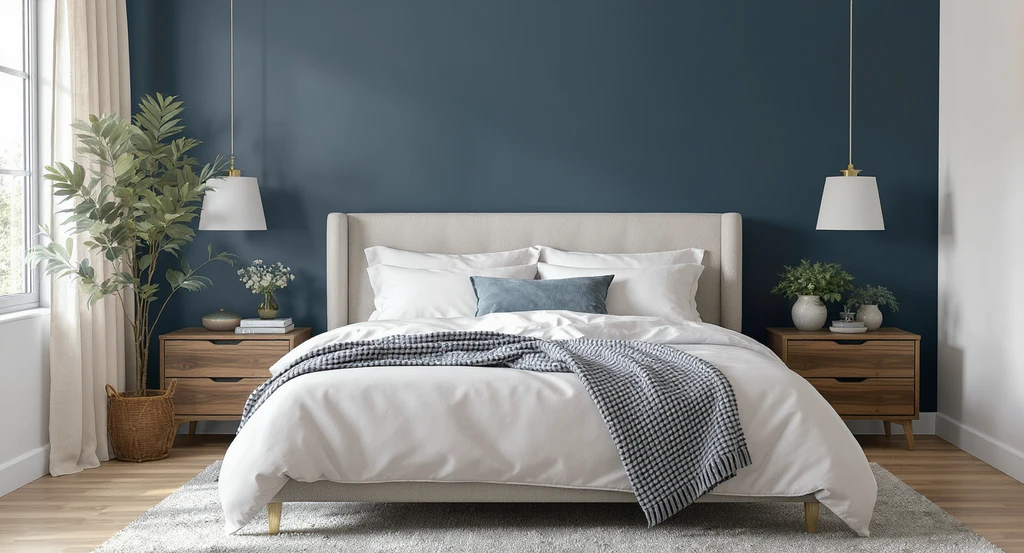
Common Mistakes That Hurt Modern Bedroom Listings
Common Mistakes That Hurt Modern Bedroom Listings Image
Even good intentions can hurt performance if these mistakes slip in:
- Too minimalist or cold (no visual warmth)
- No texture contrast (everything feels flat)
- Single-source or harsh white lighting
- Too many loud or clashing colors
- No focal point or design anchor
- Cluttered visible surfaces
-
Why AI-Powered Visualization and Workflow Matter

Why AI-Powered Visualization and Workflow Matter Image
Integrating visualization with production accelerates decisions and improves accuracy. For professionals managing multiple listings, streamlined systems remove operational bottlenecks and elevate consistency. To move from idea to execution, photo-perfect visuals, standardized workflows, and scalable media, use platforms such as Styldod's Smart Media Module to manage and optimize listing visuals at scale.
Visualization Scenario
Imagine stepping into a bedroom with gentle pale wood accents, layered linens, and soft, indirect lighting. The space feels larger and more restful whether viewed online or in person, instantly creating buyer rapport and perceived quality.
Modern Bedroom Design: Key FAQ for 2026
- What are the core elements of a high-performing modern bedroom?
- Clean structure, neutral base, layered textures, warm layered lighting, and a single visual anchor are critical. Each element directly improves photo appeal and buyer interest.
- How should I layer lighting in a modern bedroom?
- Use ambient overhead, bedside task lights, and accent wall lights for comfort and depth. Warm tones (2700–3000K) photograph best and improve perception of space.
- Is it possible to visualize changes before redesigning?
- Yes, use AI-powered platforms like ReimagineHome to preview layouts, palettes, and lighting. This reduces uncertainty and avoids costly design errors before staging or selling.
- What layouts work for small bedrooms?
- Opt for a centered platform bed, wall-mount storage, minimal tones, and keep at least 24–30 inches of clear walkway space. This maximizes both visual size and comfort.
- How do modern, minimalist, and contemporary bedrooms differ?
- Modern focuses on comfort plus structure, minimalist reduces to essentials, while contemporary follows emerging trends. For listings, modern delivers broadest buyer appeal and better photographic results.
The Bottom Line: Clarity, Comfort, and Consistency Win
Modern bedroom design in 2026 is about creating clarity, supporting comfort, and ensuring repeatable excellence. Intentional layouts, neutral palettes, texture layering, and targeted lighting form the foundation. Use visualization to test ideas before committing. Standardized, system-driven design consistently outperforms trend-chasing or guesswork both in comfort and listing outcomes.