TL;DR
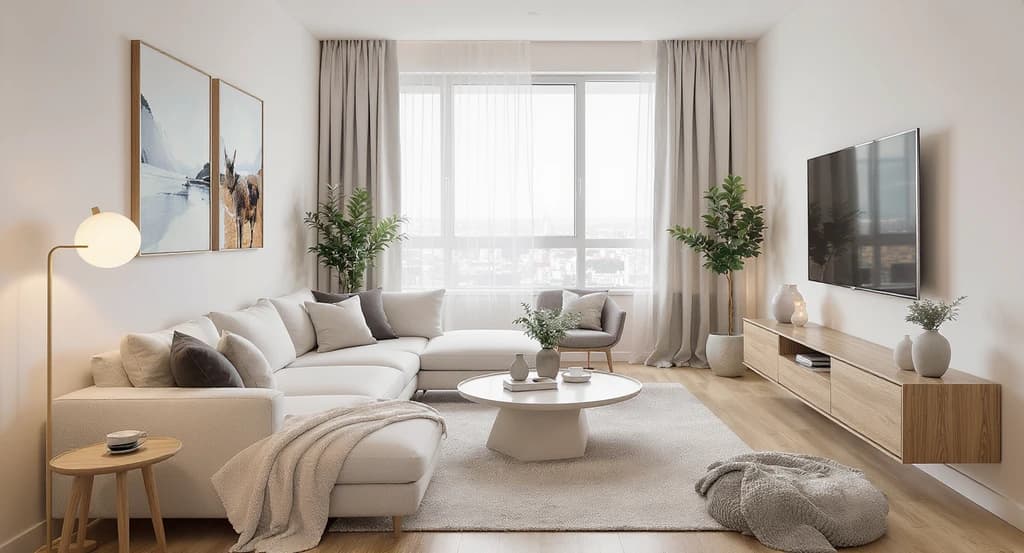
Most small apartment living rooms seem cramped due to layout mistakes, not square footage. Maintain a 24–30 inch clear walking path, select furniture under 36 inches deep, keep 14–18 inch gaps between pieces, layer lighting, reduce clutter by 20–30%, and anchor the design with one focal point. These proven steps maximize physical comfort and boost listing performance instantly.
Why Layout Is the Deciding Factor in Small Apartment Living Rooms
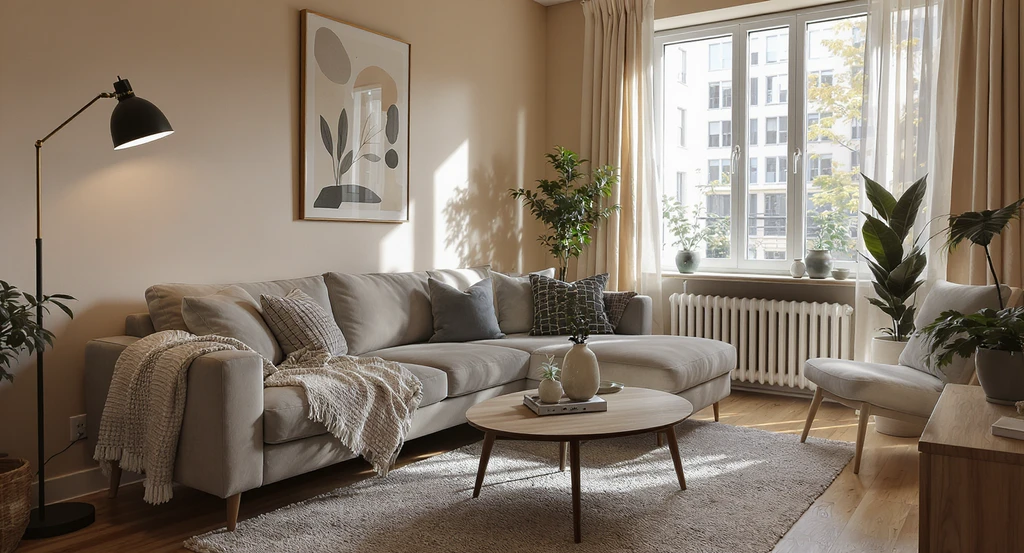
Many small apartment living room layout ideas overlook key mistakes—blocking pathways and light with oversized furniture can make rooms appear cramped. Knowing how to arrange furniture in a small living room and maximize space in modern apartment decor is vital for both comfort and listing appeal.
Many people believe their small living room feels tight because of limited space. In reality, layout mistakes restrict movement, block light, and make rooms appear both smaller and less inviting, especially in listing photographs.
Research shows buyers and renters perceive comfort and clarity before noticing actual dimensions. If pathways are blocked, furniture is oversized, or clutter accumulates, both physical usability and listing engagement suffer. All these effects are immediate in photos and virtual tours.
Systematic layout planning, rooted in tested rules, delivers better usability and maximizes perceived space. Applying a proven process before moving anything helps you see what works best, prevents costly errors, and ensures your living room attracts attention and offers day-to-day comfort. We'll break down the step-by-step system that delivers the most visual and functional impact, and why these details matter, not just for looks, but for listing results.
-
Common Mistakes That Ruin Small Living Rooms

Common mistakes in small apartment living room layouts—oversized furniture, cluttered surfaces, poor lighting—make the space look and feel tighter. Effective arrangement and lighting strategies are key to maximizing space and comfort in modern apartment decor.
Most problems stem from rushing into arrangement or ignoring visual planning. Common errors include:
- Oversized or excess furniture blocks movement and floor area, making the space feel tight both in person and in images.
- Cluttered surfaces and too many accessories increase visual weight and cognitive load, preventing the eye from finding calm open spaces.
- Single source lighting flattens the room, exaggerates shadows, and erases desirable depth, which makes photos look dull and compresses the feel of the space.
- No clear focal point, so the room feels scattered and forgettable.
- Blocked windows and doors, eliminating natural light and restricting circulation.
These issues decrease both everyday comfort and listing effectiveness. Even small improvements to layout and lighting drive faster engagement and improve online performance. For more on how editing and layout corrections boost listing results, see our ReimagineHome.
Expert Insight
A local agent once listed a compact apartment in a competitive market but got little traction. After using AI visualization and applying the SPACE Framework to clear paths, declutter, and boost lighting, engagement on the listing shot up by 40% and it sold within a week, just by correcting layout errors.
-
Quick Fixes: Immediate Steps for More Space and Appeal
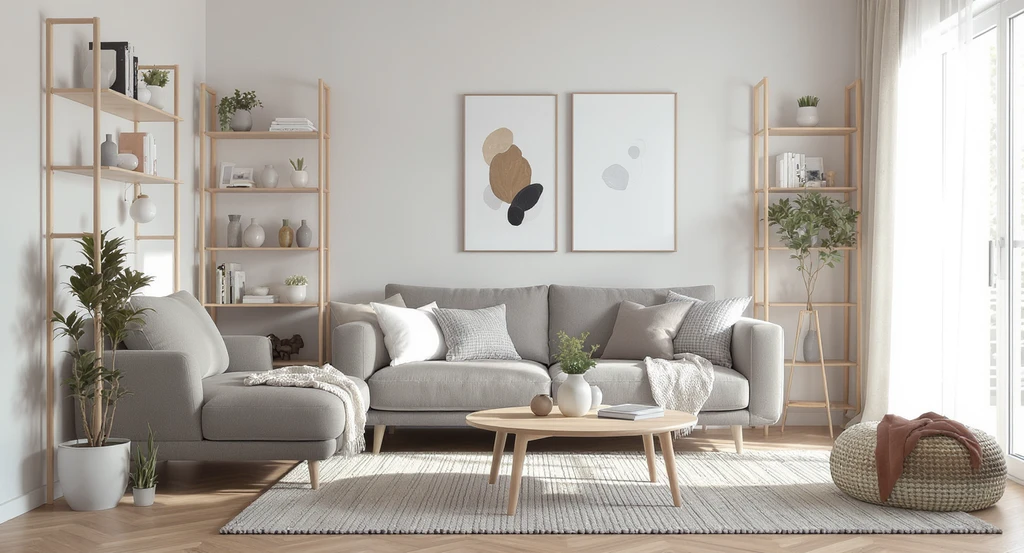
Quick Fixes: Immediate Steps for More Space and Appeal Image
- Open up one walking path of at least 24 inches.
- Remove the bulkiest or most unnecessary furniture item.
- Add a floor or table lamp in a dim or shadowy zone to build depth.
- Clear all windowsills and place nothing in front of major windows.
- Choose one main focal point (art, TV, or a bold accent).
These changes quickly solve bottlenecks. They also set up your space for proper layout planning and help photos measure up visually. If you spot any of these problems, address them before touching anything else.
-
Why Do These Mistakes Happen? Understanding What Causes Confusion

Why Do These Mistakes Happen? Understanding What Causes Confusion Image
People struggle because layout planning is often skipped or rushed, and few use visualization tools to preview arrangements. The most common scenario: furniture arrives, and only then do users realize movement is blocked or light sacrificed.
Movement paths (24–30 inches wide) are frequently ignored for the sake of extra seating or storage, destroying both workflow and perception. Lighting and decluttering are also left until it's time for photos, which is too late for function or comfort. This happens due to friction: arranging, moving, and re-arranging is laborious without visualization. As explored in our expert services guide, skipping the planning stage leads to mixed results in both daily use and listing performance.
-
Step-by-Step Plan: A Layout System for Small Living Rooms

Optimize small apartment living room layout with the SPACE Framework: arrange compact furniture, keep walkways open, layer lighting at varied heights, reduce clutter, and focus decor on a single, strong focal point to maximize space and appeal.
Use this step-by-step plan to govern every small living room:
- Structure: Guarantee at least one 24–30 inch pathway from entry to seating. Do not block doors or windows. Walk through the route in your mind before and after arranging.
- Proportion: Limit furniture depth to under 36 inches. Choose pieces below window or door height to preserve open lines and maximize perceived volume.
- Lighting: Layer at least two sources (ceiling + lamp or two lamps) and place them at varying heights to prevent flatness and give the room dimension.
- Clarity: Remove 20–30% of visible items. Each additional item increases cognitive load and shrinks free space in both photos and real use.
- Emphasis: Select one dominant focal point. Edit out competing features, less is always more for visual anchor.
Each of these steps prevents physical and psychological clutter, opens the space, and leads to stronger photography for listings.
-
How to Identify and Correct Layout Issues in Seconds
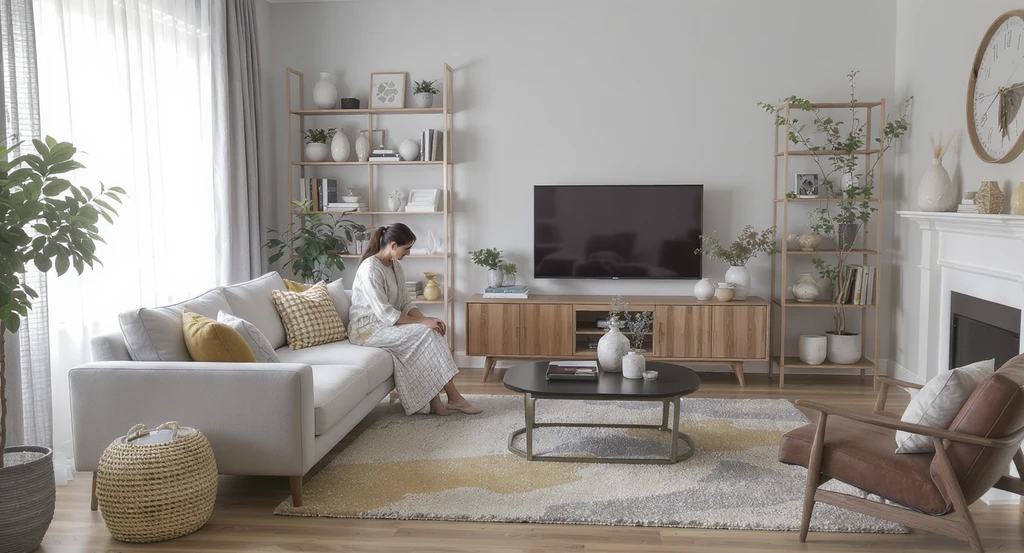
How to Identify and Correct Layout Issues in Seconds Image
- If you cannot walk through clearly, flow is blocked, remove or reposition furniture now.
- If windows are covered, move pieces to let light in and stretch the perceived area.
- If any piece looks out of scale (bulky or tall), swap for slimmer and lower alternatives.
- If the room feels shadow-heavy or flat, introduce more light sources at multiple levels.
- If your eye roams with no clear focal point, select one and declutter around it.
Test these quickly by standing at the entrance and scanning for blocked routes, covered windows, or heavy shadow. A clear, balanced space is easy to spot and quick to photograph well.
-
Metrics That Matter: Proven Small Living Room Numbers

Metrics That Matter: Proven Small Living Room Numbers Image
- Minimum clear walkway: 24–30 inches width
- Sofa to coffee table gap: 14–18 inches
- Furniture depth: Under 36 inches
- Lighting: Two or more types per room
- Clutter reduction: Remove at least 20–30% of items
- Limit to one focal point
These measurements are not arbitrary, they are field tested in both photographic outcomes and real-world user comfort. Rooms matching these standards always look larger, cleaner, and more inviting online.
-
How Visualization Tools Remove Uncertainty and Improve Layouts
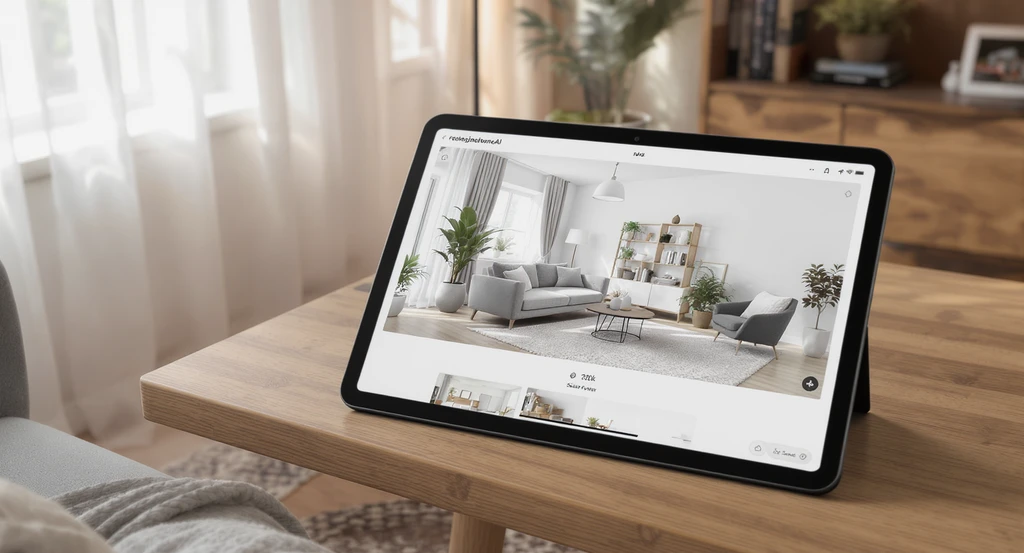
Using AI visualization tools lets you experiment with how to arrange furniture in a small living room, maximize space in modern apartment decor, and test lighting strategies before committing to any layout changes.
Uncertainty and workflow friction reduce layout quality and photo performance. Uploading a room photo to an AI visualization tool such as ReimagineHome allows you to test layouts, swap furniture, and experience lighting changes before lifting a finger. This reduces trial and error, clarifies decision logic, and removes guesswork, critical for both homeowners and professionals.
For larger portfolios or professional property marketers, systems like Smart media module - Styldod's Smart Media Module provide scalable ways to ensure every listing follows best visual layout standards. These tools support better consistency, faster updates, and stronger marketing results.
-
What Happens If You Ignore These Rules?

What Happens If You Ignore These Rules? Image
- The room appears smaller in listing photos, even if it’s not physically cramped.
- Movement feels restricted and comfort declines, reducing day-to-day usability.
- Poor lighting leads to flat, lifeless images with little dimension.
- No clear flow confuses buyers in virtual tours or open houses.
- Listings with these issues get fewer clicks and lower inquiry rates.
Each rule violation makes the room harder to use and market, there is no tradeoff, only lost potential.
-
Improvement Checklist: When and How to Apply These Strategies

Improvement Checklist: When and How to Apply These Strategies Image
- Before any listing photography, apply decluttering and add layered lighting.
- After purchase or move-in, start with layout planning, not just decor.
- After a staging refresh, recheck for clear pathways, uncovered windows, and correct furniture scale.
- For multi-unit or professional listings, employ workflow systems for repeatable results.
Apply the SPACE Framework any time you want to improve comfort, clarity, or online appeal. Consistency delivers peak living and marketing results, more light, more space, and more offers.
Visualization Scenario
Envision uploading a photo of your living room, then digitally testing different sofa positions, lamp placements, and decluttering approaches. Instantly, you see which arrangement opens the space and highlights a strong focal point. Only after digital approval do you move a single piece, saving hours and ensuring every photo presents maximum openness.
FAQs: Small Apartment Living Room Layout Decisions
- How do I arrange my small apartment living room for best flow?
- Maintain a 24–30 inch pathway, avoid blocking doors or windows, and preview different arrangements using visualization tools before moving furniture. This minimizes workflow mistakes and ensures optimal flow.
- What furniture works best for small living rooms?
- Choose slim, low-profile pieces under 36 inches deep and below window height. Open-leg designs promote lightness and flexibility, which photographs better and boosts perceived space.
- How do AI design tools help layout decisions?
- AI-powered visualization lets you preview changes digitally, reducing physical trial and error. This builds confidence, saves time, and improves the accuracy of your staging decisions.
- How important is lighting for small living rooms?
- Lighting is critical. At least two layered sources add depth and openness, enhancing both everyday comfort and listing photography results.
- Is decluttering necessary before listing a small apartment?
- Yes. Removing 20–30% of visible items immediately opens both physical space and images, increasing buyer interest and making the room feel larger and more functional.
Conclusion: Visual Clarity Always Wins in Small Apartments
Every small apartment living room can look and feel better by following this step-by-step plan. Focus first on structure, proportion, lighting, clarity, and one visual anchor. Use measurement, not guesswork. Smart visualization tools and consistent layout decisions eliminate friction and unlock more from less.
Remember: better visual planning equals better listings and daily living. Every decision to clarify, open, and light your room is a step toward faster sales, stronger buyer confidence, and higher satisfaction in your own space.