If you’ve been thinking about buying, selling, or investing in property, it helps to know where the market is heading. Real estate is always changing, and 2026 is expected to bring some fresh shifts that could shape how deals get done. From how people search for homes to the way buildings are designed, things are evolving fast. In this article, we’ll walk you through the top real estate trends to keep an eye on so you can stay one step ahead. Let's get started.
Key Takeaways:
- The real estate market in 2026 is expected to remain stable with moderate price growth and better inventory as mortgage rates ease.
- Buyer preferences are shifting toward smart homes, flexible layouts, and lifestyle amenities, which will influence how new homes are designed.
- Commercial real estate will see mixed performance, with strong demand for industrial spaces, data centers, and flexible workplaces, while traditional offices continue to adjust.
- Technology will play a major role through AI tools, virtual tours, digital twins, and smart home devices that improve decision making and property management.
- Investors should focus on location, long term potential, and growing sectors like logistics, mixed use spaces, and data driven property management.
2026 Real Estate Trends That Will Change the Way We Buy and Sell
Here's a closer look at the real estate trends that will change the way we buy and sell:
Residential Real Estate Trends
Let’s start with the residential side of things. Here are the real estate trends that will shape how people buy and sell homes in 2026:
1. Moderate Price Growth
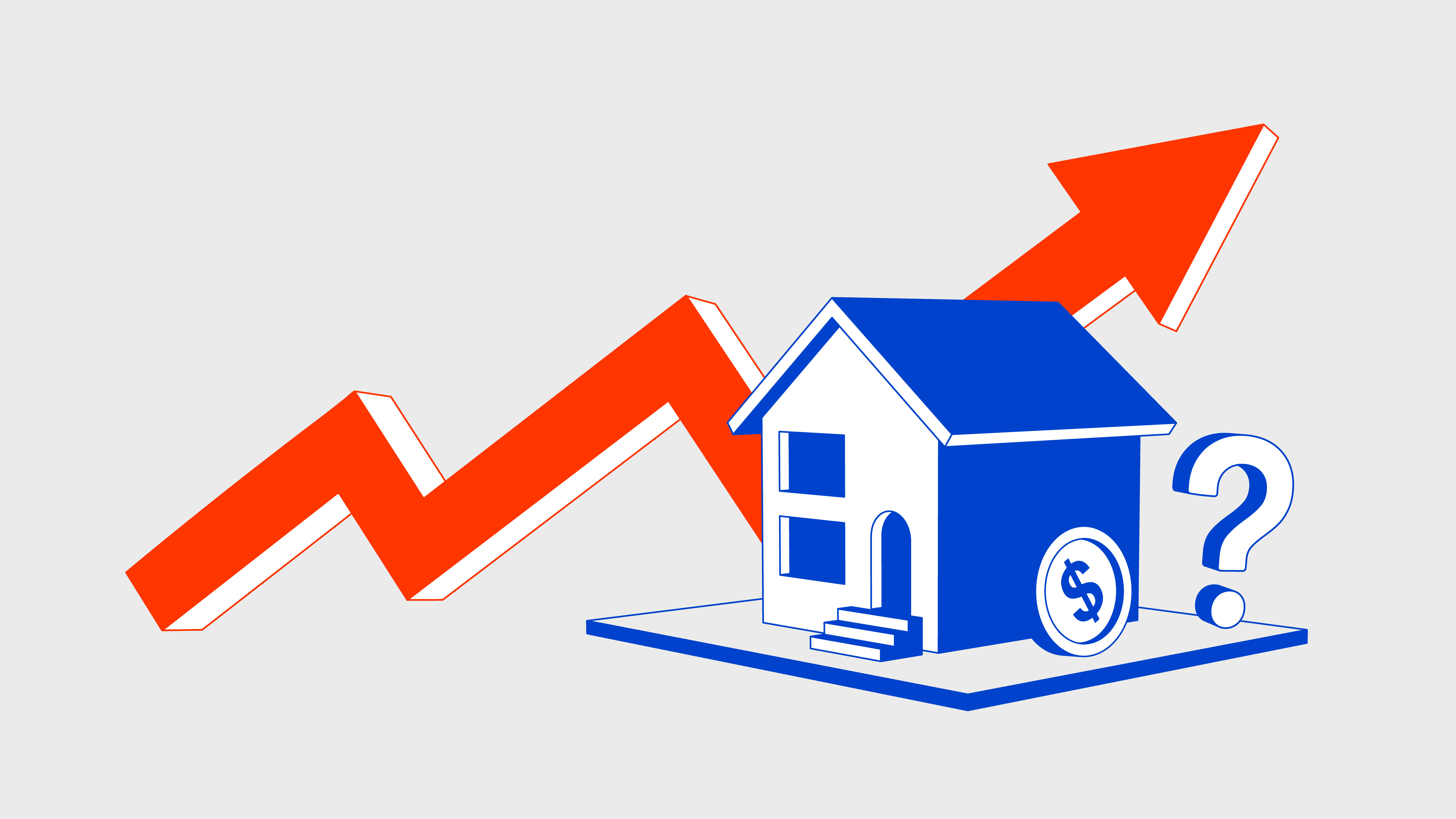
Home prices are expected to grow slowly and steadily this year, somewhere around 2 to 4 percent. This is a good sign for both buyers and sellers. It means we’re moving away from wild price jumps and heading into a more stable, balanced market. For buyers, it creates less urgency and more breathing room. For sellers, it still shows solid demand without the fear of a bubble bursting.
2. Increased Sales and Inventory
With mortgage rates gradually dropping closer to 5.9 percent, more people are likely to return to the market. Sellers who had held off due to high rates may finally list their homes, and buyers who were waiting on the sidelines might re-enter the game. At the same time, construction activity is picking up slightly. All of this means more options and a bit more breathing space when it comes to inventory.
3. Slight Improvement in Affordability
Housing affordability is still tight, but small improvements are on the horizon. As mortgage rates ease and incomes slowly rise, more middle-income buyers may find themselves qualifying for homes. The biggest benefit will likely be in the mid-range housing segment, where demand has remained strong but inventory has been thin. Even small rate drops can make a big difference in monthly payments, helping more families move forward with their plans.
4. Changing Buyer Preferences
What buyers want in a home is shifting. Many are now looking for open floor plans, clean and minimalist designs, and built-in smart tech. Dedicated spaces for working from home are also high on the list. People are paying more attention to how their homes fit into their day-to-day life. On top of that, features like parks, gyms, community lounges, and walking paths are becoming strong deciding factors. Lifestyle continues to be just as important as square footage.
5. Generational Shifts in Demand
Different age groups are shaping the housing market in their own ways. Millennials are still driving a large chunk of demand, especially in urban and suburban areas. Boomers are looking for one-level homes and active-adult communities that suit their lifestyle. Meanwhile, Gen Z is entering the rental market with a strong preference for build-to-rent and multifamily housing. Each generation is influencing what gets built, where, and how much demand there is in certain locations.
Commercial Real Estate (CRE) Trends
When it comes to commercial real estate, 2026 is expected to bring some noticeable shifts in how different sectors perform, how companies adopt technology, and how sustainability shapes decisions. Here are the trends you should be watching closely:
1. Sector Divergence
Not all commercial spaces are on the same path. Industrial properties and data centers are seeing strong demand thanks to the growth of e-commerce, logistics, and AI infrastructure. At the same time, office spaces are still struggling. Companies are looking for flexible setups that support hybrid work, often in suburban locations instead of central business districts. This split will keep growing as businesses rethink how and where they operate.
2. Targeted AI Adoption

Instead of using AI everywhere, CRE firms are applying it where it makes the most sense. Tasks like lease abstraction, tenant communication, and predictive maintenance are becoming smarter and faster with AI support. This kind of focused automation is helping firms save time, reduce errors, and manage properties more efficiently. The aim is to improve how buildings are run without overcomplicating the entire process.
3. Sustainability
Green-certified commercial buildings are gaining serious attention from both investors and tenants. These properties tend to attract higher rents, reduce energy bills, and offer long-term value. With stricter environmental regulations on the way, there is a clear push toward eco-friendly construction and retrofitting. CRE owners who invest in sustainability now are likely to see better returns and stronger tenant loyalty in the years ahead.
Real Estate Tech Trends
Technology is transforming how we buy, sell, and manage property. In 2026, real estate professionals who stay updated with these tools will not only save time but also offer better experiences to buyers, sellers, and tenants.
1. AI and Predictive Analytics
AI is changing the way real estate decisions are made. Agents, brokers, and investors are using machine learning tools to spot undervalued properties, predict which areas will grow, and study market trends in detail. Instead of relying only on gut feeling or basic stats, professionals can now make more confident decisions based on real-time insights. This shift is helping reduce risk and improve outcomes for both buyers and sellers.
2. Digital Twin Technology
Digital twins are virtual models of real buildings that update in real time. Property owners and facility managers can use them to simulate building performance, monitor energy use, and spot maintenance issues before they turn into expensive problems. This tech is especially helpful for large commercial projects and smart city planning, where managing systems efficiently saves both time and money.
3. Immersive Property Tours Using VR and AR

Virtual and augmented reality are quickly becoming the go-to tools for property viewings, especially when buyers are located in a different city or country. These immersive tours let potential buyers walk through a home, check every corner, and get a real feel for the space without having to travel. It speeds up decision-making and builds more trust in the listing.
If you're a real estate agent or broker looking to offer high-quality VR or AR tours, Styldod can help. We make it easy to turn regular property photos into fully immersive experiences that attract serious buyers. With our services, you can stand out in a crowded market and give your clients a smarter, smoother way to view properties.
4. Smart Home and IoT Integration
Smart home devices are becoming part of everyday property management. Sensors, leak detectors, smart locks, and thermostats are now common in both individual homes and large buildings. These tools help reduce energy waste, alert owners to maintenance issues early, and make life more convenient for residents. For landlords and property managers, they also provide better control over multiple units with less manual work.
Closing Thoughts
The real estate landscape in 2026 is shaping up to be more steady, tech driven, and focused on long term value. Buyers, sellers, and investors will have more information and better tools to guide their decisions, which makes the market easier to navigate. While every city will move at its own pace, the overall direction is clear. Real estate is becoming smarter, more transparent, and more aligned with how people want to live and work. Staying aware of these trends can help you make choices that actually support your plans instead of rushing into the market blindly.
Enhance your listings with Styldod’s expert services
Frequently Asked Questions (FAQs)
1. Will real estate prices go up or down in 2026?
That depends on a few things like interest rates, local demand, government policies, and overall economic trends. Some areas may see prices go up because of growth and demand, while others could stay stable or even go down. Keep an eye on your local market, talk to experts, and watch for changes in loan rates and supply.
2. Is 2026 a good year to buy a home?
If your finances are in order and you’ve found a home that suits your needs, 2026 could be a good time to buy. Property prices might rise in growing cities, but some places could offer better deals if inventory builds up. It all comes down to your location, loan eligibility, and long-term plans. Don’t just go by market hype. Think about what works for you.
3. Which commercial real estate sectors are expected to perform best in 2026?
In 2026, sectors like warehousing, data centers, and co-working spaces are expected to stay strong. With more people shopping online and more businesses going digital, these types of properties are seeing good demand. Also, mixed-use developments and flexible retail spaces might attract more investors, depending on the location and local economy.
4. How will technology influence the real estate industry in 2026?
Tech will play a bigger role in how people search, buy, and manage properties. Virtual tours, AI-based pricing tools, and digital paperwork will make things faster and smoother. Smart homes, building automation, and real-time data dashboards will also become more common. For real estate professionals, this means staying updated with tech trends is no longer optional.
5. What should real estate investors focus on in 2026?
Focus on location, rental yield, and long-term value. Look for cities with strong infrastructure plans, job growth, or educational hubs. Also, keep an eye on government policies that may affect taxation, loans, or rental rules. If you’re investing in commercial property, pick sectors that are still growing, like logistics or shared workspaces. Doing proper research can help you avoid surprises.