TL;DR
Most home office frustrations result from overlooked design details such as lighting, storage, sightlines, and acoustic planning. Addressing these details, using human-centered design, creates a workspace that feels supportive, comfortable, and reliable for daily remote work.
Why the Little Things in Home Office Design Matter
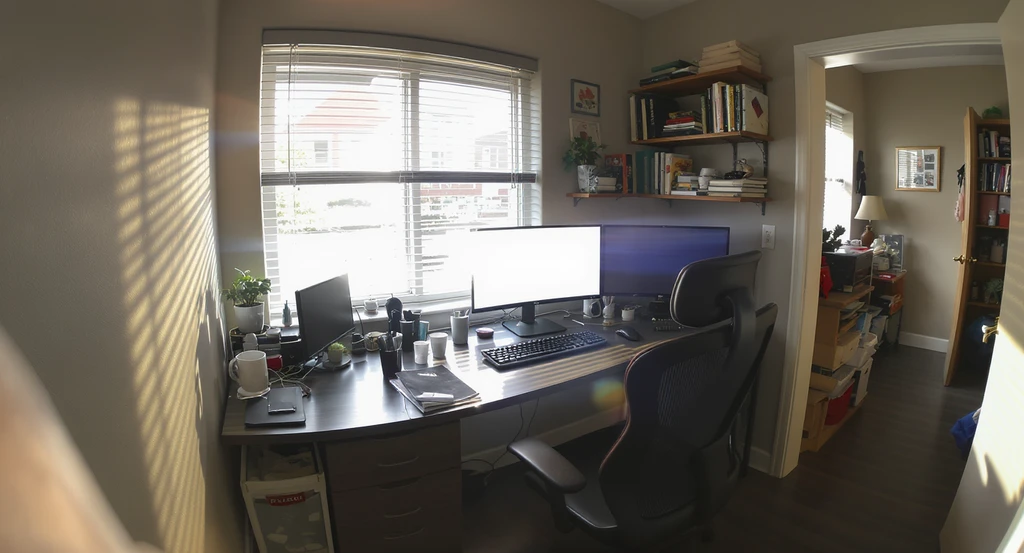
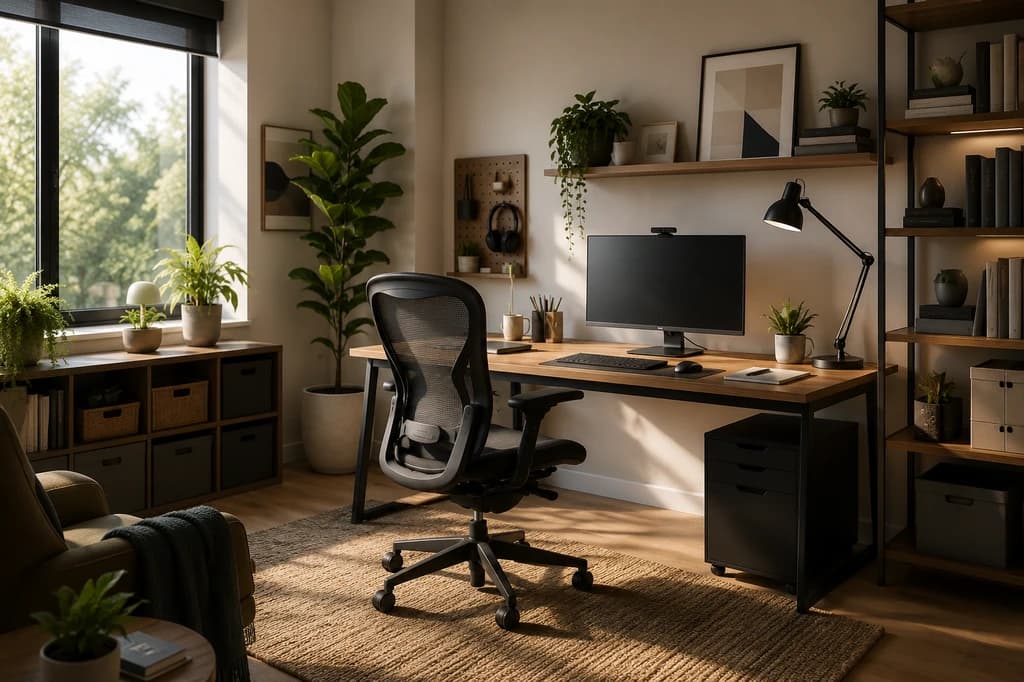
Home office design ideas for remote workers often miss small details like afternoon glare, visual boundaries, and smart storage. Optimizing lighting and workspace layout can dramatically improve comfort and productivity in a home office.
A good chair and desk can only do so much. Many home office frustrations come from small design decisions that become noticeable after weeks of daily use, afternoon glare, awkward storage, distracting backgrounds, or poor layout planning. These often-overlooked details affect comfort, focus, and usability more than most people realize. Human-centered design helps create a workspace that feels comfortable, intentional, and easier to work in every day.
-
1. Design Around Sightlines, Not Just Floor Space
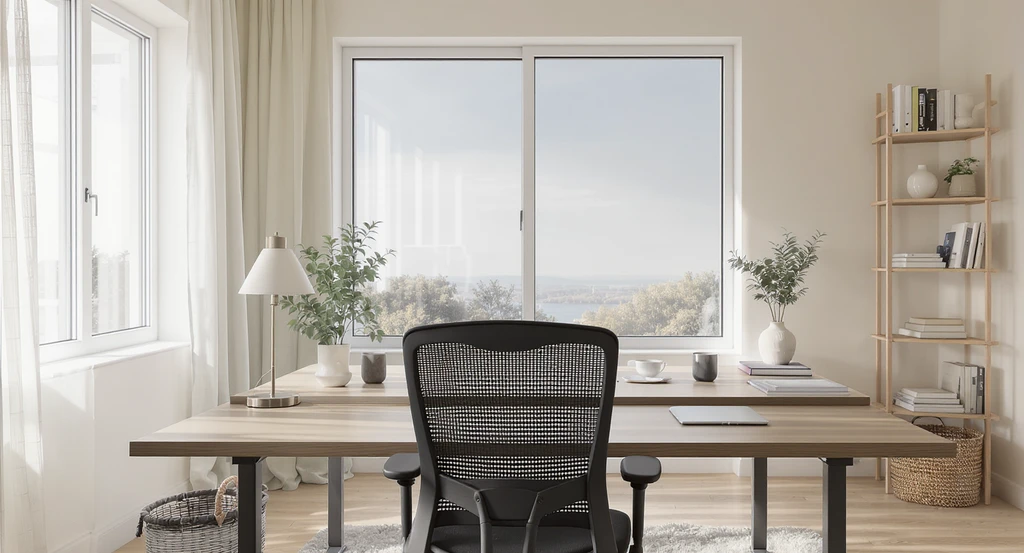
Home office design ideas for remote workers: arranging your desk for inspiring sightlines, optimizing natural lighting, and minimizing distractions for better productivity.
Most people pick a desk spot based on where it fits. But professionals consider what you’ll actually see for hours. A view of a blank wall can feel uninspiring, while a cluttered corner can feel distracting. Try sitting in your space before arranging furniture and pay attention to where your eyes naturally rest, it's often more important than floor size. As explored in our Scandinavian office design guide, calming sightlines are a core factor in Scandinavian workspaces.
Expert Insight
A client once thought a larger desk would solve their frustration with clutter, but it wasn't until we rearranged their storage and added a simple cable box that the entire workspace felt calmer and easier to use.
-
2. Create Visual Boundaries Without Building Walls
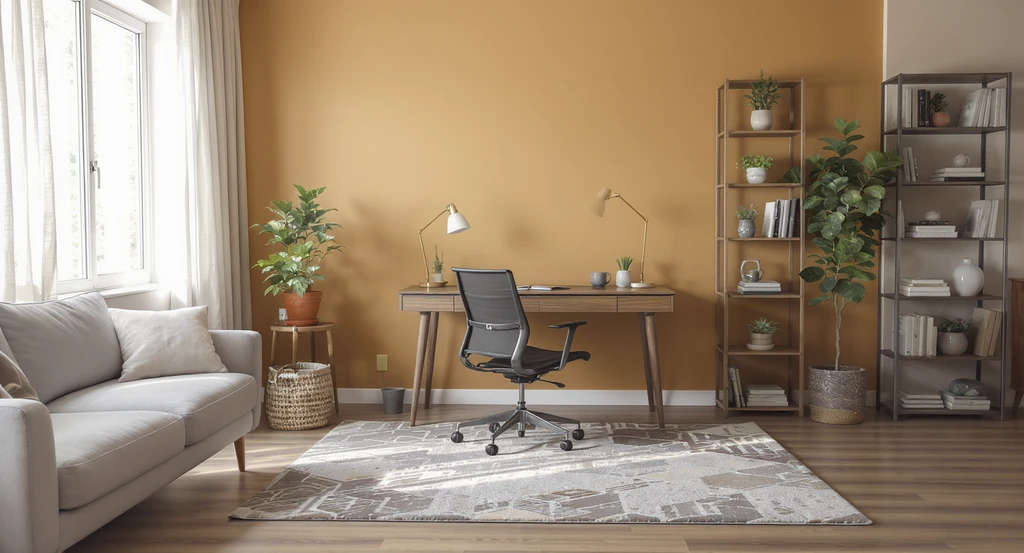
Distinct paint colors, zoned lighting, and a defined rug create strong visual boundaries between work and relaxation areas—key home office design ideas for remote workers optimizing shared spaces.
When your office is in a shared or multi-purpose space, the biggest challenge is separating 'work' from 'home.' Rugs, lighting, distinct paint colors, and smart furniture placement create a visual divide, so even the corner of a living room feels like its own room. For more inspiration, see our tips on staging a home office for clear boundaries.
-
3. Plan For Afternoon Light, Not Just Morning Brightness
Designers understand that light changes throughout the day, which affects glare, color, and even energy levels. Many overlook how afternoon sun creates unwanted reflections or shadows. Spend a few days observing your workspace at different times, then move your monitor or desk to avoid squinting later. Contemporary home office designs often plan for these subtle lighting shifts.
-
4. Layer Lighting for Comfort
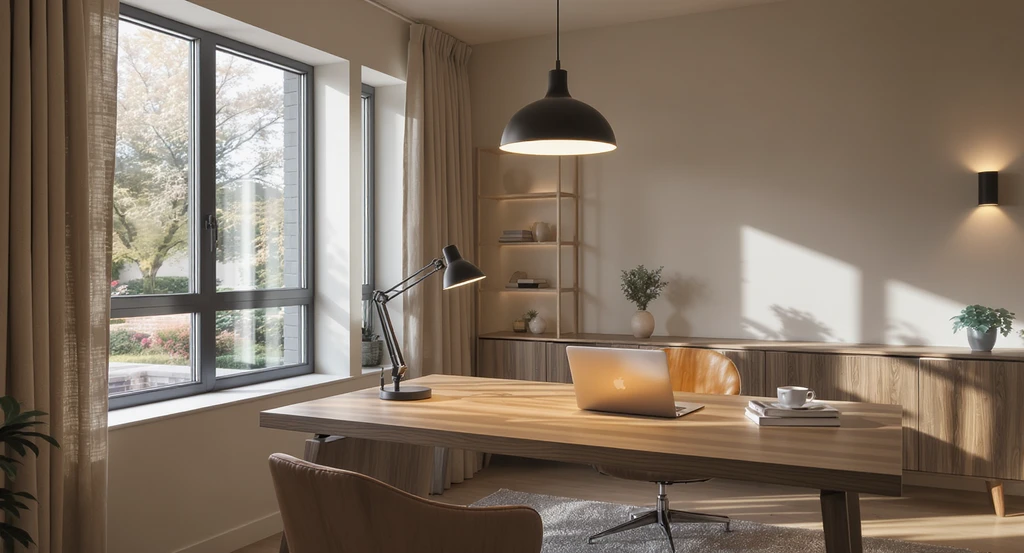
Layering natural and artificial lighting is a key home office design idea for remote workers, helping optimize lighting and reduce eye strain.
Overhead lights alone rarely create the best working environment. Combine natural light, soft room lighting, and direct task lighting. Each type reduces eye strain in its own way. A well-placed desk lamp often makes a bigger difference than raising the brightness of your main light. Learn more about layering light for different needs in our Scandinavian office design ideas.
-
5. Design for Movement, Not Just Perfect Posture
You won't stay in one position all day, and that's normal. Professional designers leave space around desks so you can move, stand, stretch, or switch chairs helping you stay focused and comfortable longer. Rather than chasing a single perfect setup, allow for healthy variety as you work.
-
6. Prioritize Things By Reach, Not Category
Items you use every hour should stay within arm’s reach. Less frequently used items can go farther away or in closed storage. This small change reduces clutter and saves time each day. As we explored in small office design ideas, every inch counts in limited workspaces put what matters most right where you need it.
-
7. Design a Dedicated Spot for Video Calls
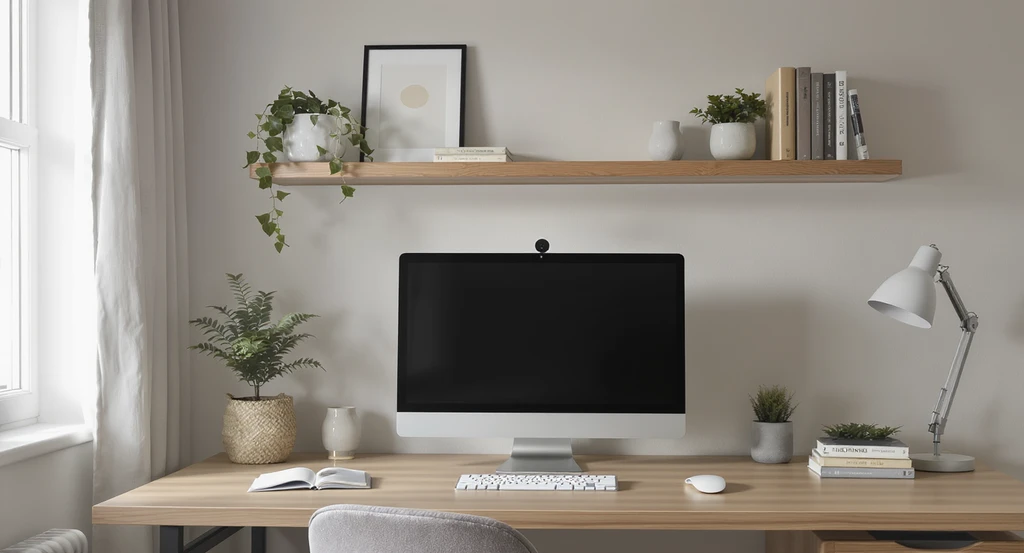
Home office design idea for remote workers: Style your video call backdrop with a tidy shelf, artwork, and plants to optimize professionalism and comfort.
With virtual meetings now the norm, your background is part of your professional identity. A thoughtfully styled shelf, artwork, or a simple plant creates a backdrop that's both tidy and welcoming. The right background can boost your confidence and how others perceive you. Our contemporary design guide discusses how to stage this important detail.
-
8. Pay Attention to Sound, Not Just Looks
Echoes, harsh acoustics, or constant outside noise can ruin focus or make meetings stressful. Soft materials like rugs, curtains, and even cushioned chairs absorb sound and create a calmer atmosphere for both phone calls and deep work. This detail makes a surprising difference for anyone working from home, especially in spaces with hard flooring.
-
9. Reduce Visual Clutter (Not Just Physical Items)
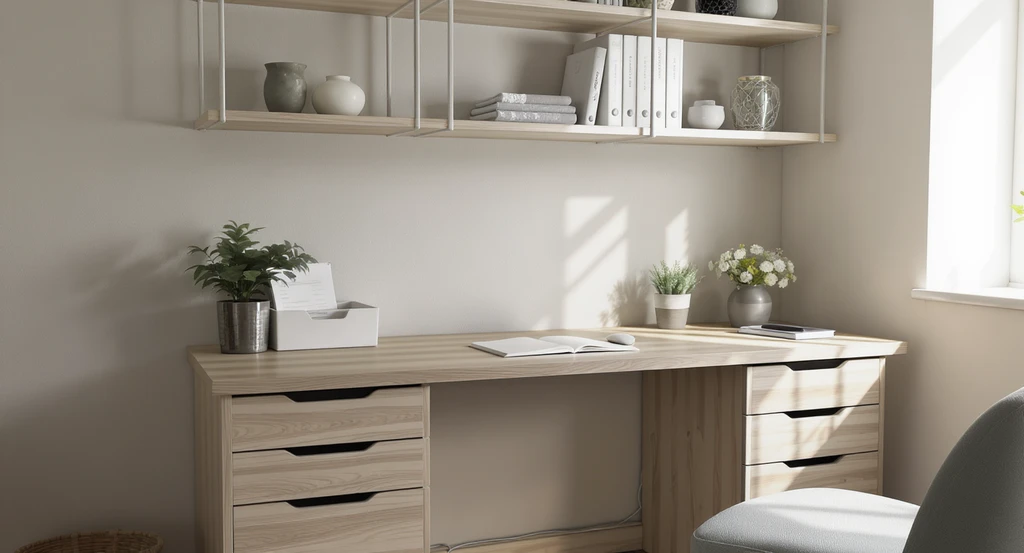
Implementing home office design ideas for remote workers, this workspace uses closed storage and hidden tech to reduce visual clutter and boost comfort.
Clutter isn’t always about owning too much, it's often about seeing too much at once. Hide cables, paperwork, and tech accessories out of sight. Use closed storage, boxes, or a drawer system. According to our guide on designing small spaces, selective display is key to creating a workspace that feels open and stress-free.
-
10. Separate Activities with Simple Zones
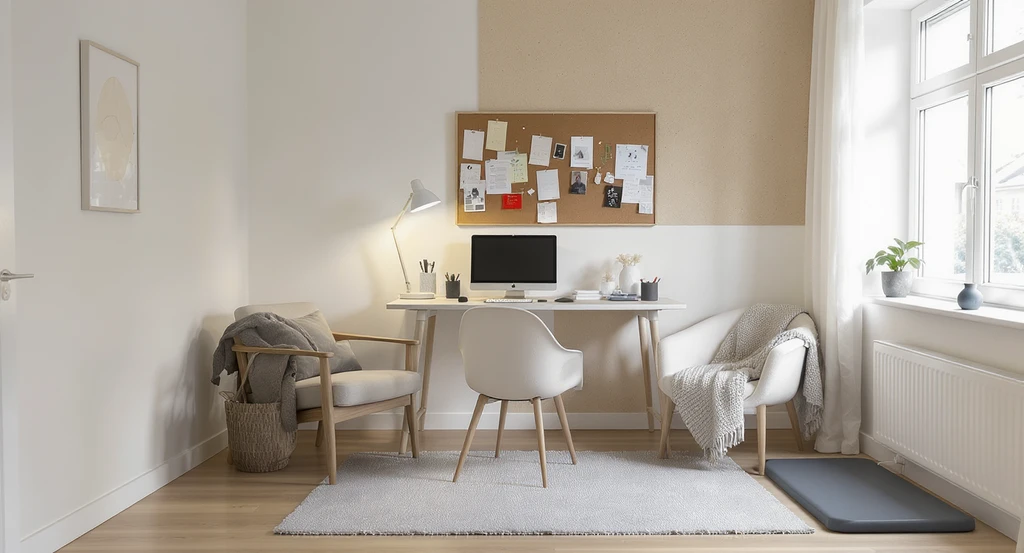
Creating distinct activity zones—like a reading chair, pinboard, and standing mat—shows how to optimize lighting and visual boundaries in a small home office for better workflow.
Remote work is more than typing at a desk. You might need to read, meet, brainstorm, or relax all in the same room. Even in a tiny space, a side chair, a standing mat, or a pinboard can signal a switch in activity and support better focus. Human designers know to create small, flexible zones for each kind of work.
Visualization Scenario
Imagine sitting down in your home office and realizing you haven’t thought about your chair, cables, or glare in weeks, the space just works. That’s the result of thoughtful, human-centered design.
Frequently Asked Questions
Layer different types of lighting—ambient, task, and natural so you can adjust brightness as needed. Desk lamps are especially helpful and easy to move.
Q2: What are some simple ways to improve office acoustics?
Rugs, fabric curtains, and upholstered chairs absorb sound. Acoustic panels or even bookshelves can help in echo-prone rooms.
Q3: What’s the best storage solution for small home offices?
Use closed storage, boxes, or shelves to hide clutter and maximize vertical space. Store daily items within reach to keep your desk clear.
Q4: How do I create visual boundaries in a home office?
Distinct rugs, color on the walls, room dividers, or specific lighting can set the workspace apart, even when sharing a room.
Q5: How do professional designers make real-world improvements over DIY setups?
Designers pay attention to unseen details like lighting angles, sightlines, traffic flow, and storage habits—creating a workspace you enjoy using every day.
Takeaway: Small Details Shape Everyday Work
The best home offices aren’t just about what you buy, they’re about how you design around your real routines, needs, and habits. Little adjustments like layered lighting, smart storage, and visual order build up to create a space that supports, rather than distracts from, your work. Human design expertise helps these details come together seamlessly, making daily life easier. If you’re ready to make meaningful changes, start with layout, light, comfort, acoustics, and storage.


