-
1. What’s the Real Reason Empty Corners Make a Room Feel Unfinished?
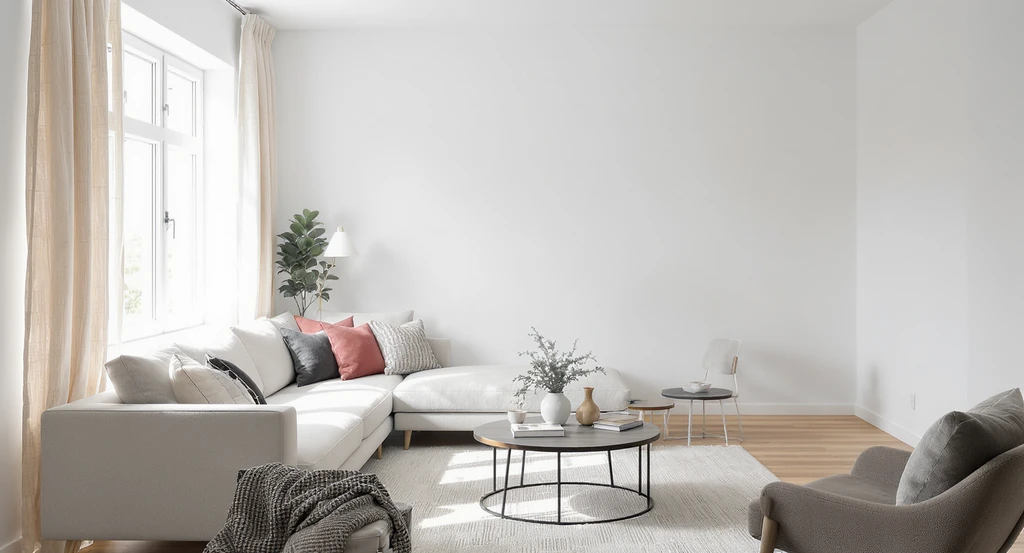
AI room design tools reveal how empty corners, when left unfinished in minimalist interiors, disrupt space psychology and home wellbeing.
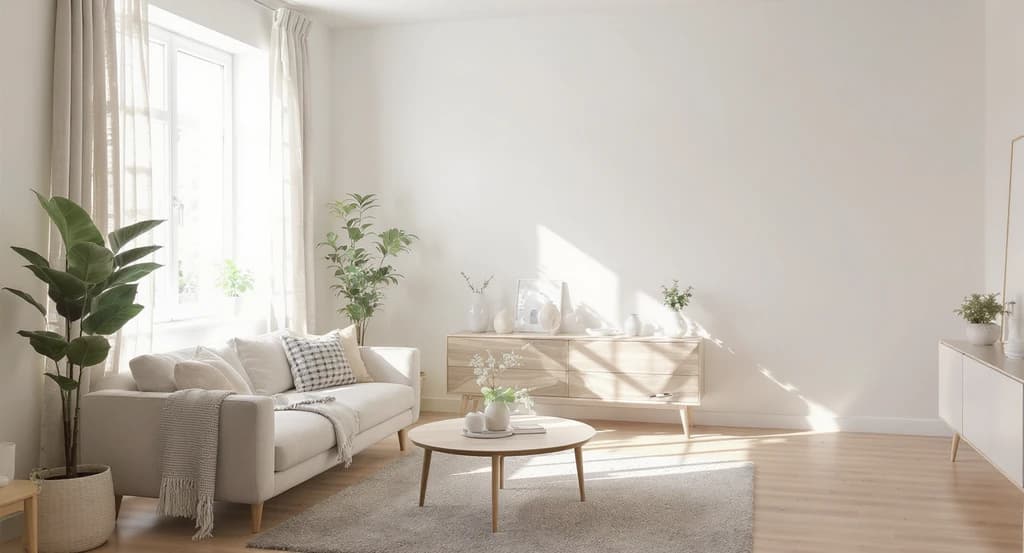
An empty corner stands out because corners help define the room’s shape and boundaries. When you finish the main furniture layout but ignore the edges, especially the corners, your brain reads the space as incomplete. This sense of “missing something” is often less about clutter and more about the need for intentional design. Corners function as visual anchors, without them, layouts feel lopsided or sparse, even if you can't pin down why. Professional stagers and designers rarely see corners as leftover space, instead treating them as opportunities to add balance, height, or visual interest in a way that supports the entire composition, as noted in our blog on transforming empty rooms.
-
2. Is It Bad to Leave a Corner Empty?
Not always. A corner that supports circulation, houses architectural features, or prevents crowding is often best left open. The difference lies in whether the emptiness is intentional or simply overlooked. A well-designed minimalist space can feel peaceful if corners are purposefully clear to enhance natural light, room flow, or architectural details. According to our guide on minimalist design for calm spaces, sometimes empty space is the element that gives a room clarity and restfulness.
-
3. How Do Empty Corners Affect a Room’s Psychology and Atmosphere?
Empty corners signal visual imbalance if the rest of the room is highly decorated or filled. Our eyes prefer to see visual weight distributed evenly. When one side of the room is busy and another side is blank, it can feel unfinished or cold, even if the furniture is beautiful. This visual imbalance is a key reason why even well-furnished spaces can feel incomplete, as explored in online discussions and design forums. On the other hand, too much visual clutter also causes discomfort, so the goal is balance, not just filling space.
-
4. Do All Corners Need Furniture or Decor?
No. Not every corner should be decorated. The best interiors have intentional empty space to avoid visual static. Think about how you want the space to feel and function. If a corner is along a main walkway, near a door, or needed for room flow, leaving it open makes sense. In smaller rooms, one impactful element is usually enough. This approach is supported by professional home stagers who recommend purposeful balance over filling every gap, as explained in our staging strategy guide.
-
5. What Are the Best Simple Ideas for Decorating an Empty Corner?
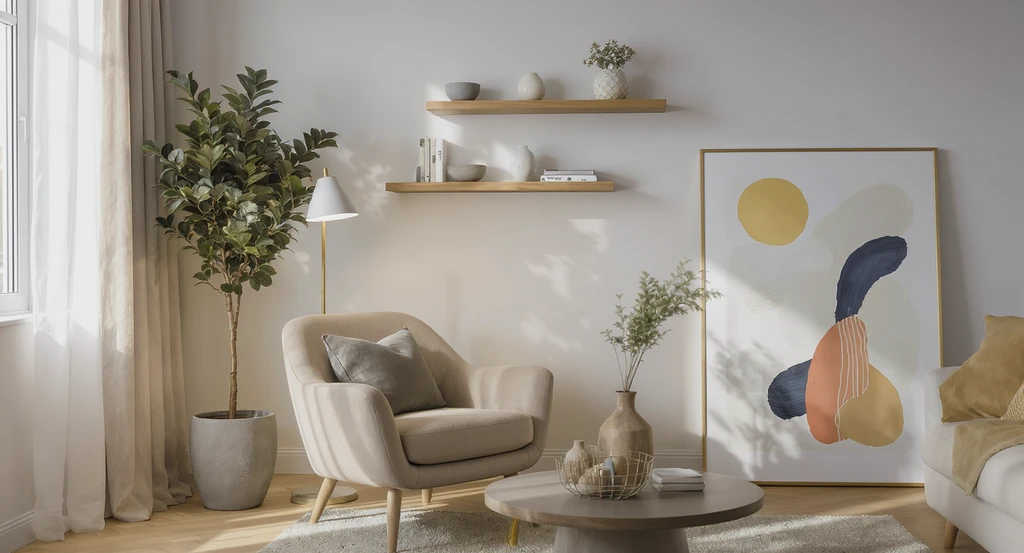
A minimalist corner arrangement with a tall plant, accent chair, and artwork, illustrating how AI visualization for decluttered living and the psychology of empty spaces in home design can transform unfinished areas into functional, well-being-enhancing features.
Some universally effective options include a tall indoor plant, a floor lamp, floating shelves, a small accent chair, or a piece of oversized artwork. These elements add height and interest without crowding. Functional ideas, such as a reading nook or coffee corner, can be great if the space is large enough. Always choose larger, fewer pieces over several small ones for a cleaner look. For more inspiration, see our post on 13 creative uses for empty rooms.
-
6. How Can I Tell When a Corner Looks Out of Place?
A corner looks out of place when it stands in stark contrast to the rest of the room, either by being much emptier or more cluttered. Watch for uneven visual weight: if one wall has bookshelves or large artwork and the opposite end is empty, the imbalance can make the whole room feel off. The same happens with lighting; a dark, empty corner can make a space feel smaller and less welcoming. Use lighting, plants, or height to gently draw the eye and improve flow. Test your arrangement by standing at the entrance and taking a photo, then see if anything “jumps out” as unfinished.
-
7. What Common Mistakes Should I Avoid When Decorating Corners?
Many people try to fix an empty corner by buying random furniture or small decorative items, leading to new clutter. Resist the urge to fill every gap. Instead, think about function, flow, and design unity. Avoid blocking walkways, using only tiny décor, or ignoring vertical opportunities (like tall plants or lighting). Also, be careful not to crowd corners in small spaces where openness improves movement. Focus on balance and scale for the best result, following the ideas in our living room calmness tips.
-
8. How Can AI Room Design Help With Corner Decor Decisions?
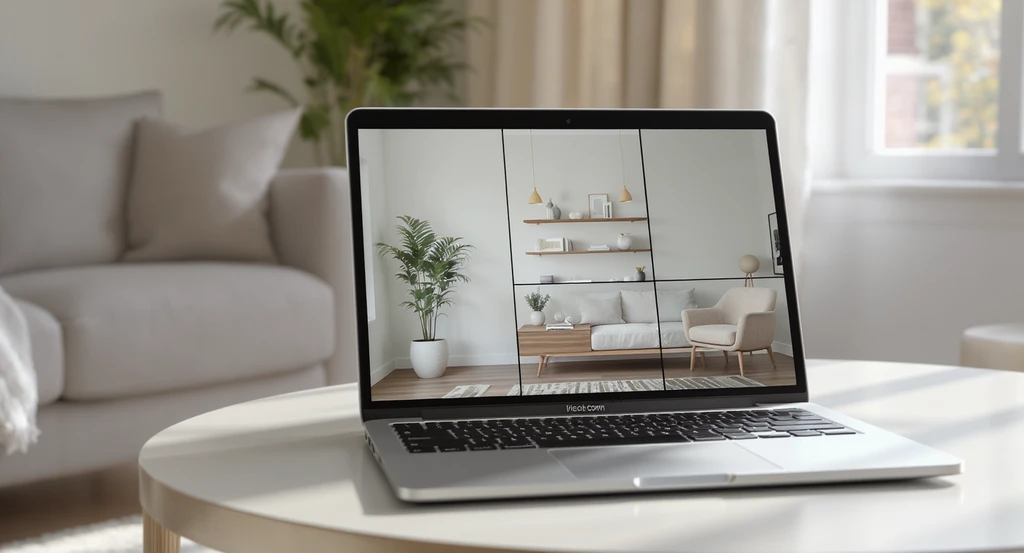
AI room design tools allow you to compare different minimalist corner decor options—plant, shelves, chair, or empty—supporting decluttered living and emphasizing the psychology of empty spaces in home design for improved wellbeing.
AI visualization tools, like REimagineHome, let you test ideas by uploading a photo of your room and seeing various corner treatments virtually, before you move furniture or make purchases. You can compare options such as a plant, shelves, chair, or leaving the space open to decide what feels most balanced. This is especially valuable for anyone hesitant to commit to a style, or for real estate professionals wanting to stage photos for maximum appeal. Virtual staging is a low-risk way to make confident decisions and avoid clutter or regret.
-
9. Why Are Corners Important in Home Staging and Real Estate Photography?
Corners influence how a room looks in photos and how spacious or inviting it feels to buyers. A room with thoughtfully used corners tends to feel larger, intentional, and complete, while empty or visually heavy corners can make listings appear less polished. Adjusting corners with functional or decorative touches, without overcrowding, can help a home sell faster and for a better price. For more tips, read our guide to staging strategy.
-
10. When Should You Always Leave a Corner Empty?
Leave corners empty when the space is needed for free movement, when overfilling would crowd a small room, or when architectural features or windows make an open area the best choice. Minimalist and Scandinavian-inspired homes often use negative space (intentional emptiness) to emphasize tranquility, comfort, and light. The key is to make sure the emptiness looks intentional, not neglected.
Frequently Asked Questions
- Should every corner be decorated?
- No. Many designers intentionally leave corners open for better circulation and a sense of calm. The key is purposeful design rather than filling every spot. Minimalism demonstrates how strategic emptiness can bring clarity and peace, as discussed in our post on minimalist bedroom design.
- How do I decide what to put in an empty corner?
- Start by considering the room’s needs: Would a lamp improve lighting? Would a plant add coziness? Is seating useful? If the space works best empty, that’s a valid choice. Using AI room design tools, you can preview different ideas to see what looks best before making decisions.
- What’s the quickest way to make a corner feel “finished”?
- A tall plant or floor lamp instantly adds height and visual interest with minimal effort. These solutions quickly improve balance and atmosphere. More ideas can be found in our empty room transformation guide.
- Can leaving a corner empty be good for small rooms?
- Yes. In smaller spaces, open corners can make the room feel larger and less cramped. This is especially effective if you avoid crowding and keep the main pathways free.
- How does AI visualization help with corner decor?
- AI visualization allows you to upload a photo and see how different treatments would look in your real space. You can compare multiple versions—with and without various elements—to find what truly works for your style and needs before making any changes.
Key Takeaways for Using Empty Corners Wisely
Empty corners shape the feel, function, and harmony of every room. They aren’t wasted space, they’re powerful tools for balance, comfort, and style. Treat corners as part of the whole design, not as afterthoughts. Choose items based on function and visual weight, not just the urge to fill gaps. And when in doubt, test layout options digitally before making any buying or decorating decisions.