TL;DR
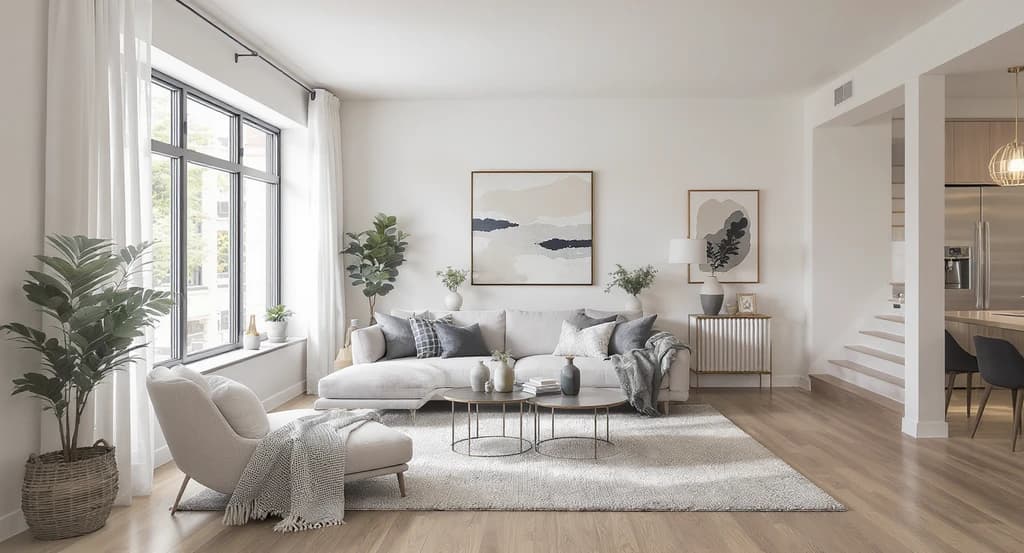
When agents say "make it feel real," they're asking for more than just pretty rooms, they want buyers to emotionally connect. AI visualization now makes emotional, believable staging accessible even before physical updates, showing buyers the life they could live. It's about clarity, trust, and creating comfort, not luxury.
-
1. Show Purpose in Every Room
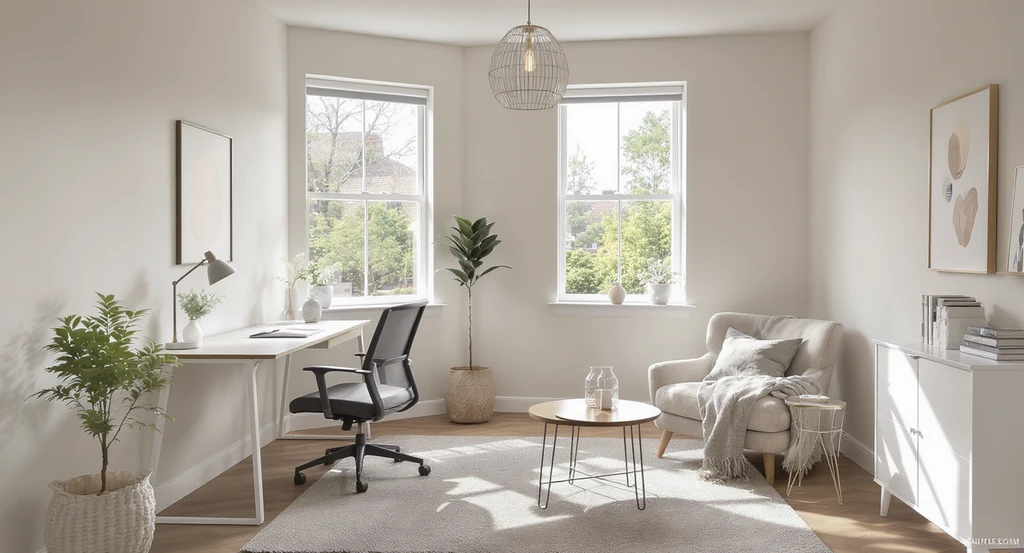
Clear, purposeful staging—like this dual home office and reading nook—demonstrates how AI visualization makes homes feel real, emotionally connecting buyers.
Buyers are making decisions based on how easily they can imagine living in a space, not memorizing the square footage. Each room should make its job clear: present a spare room as an office or a reading nook, not just as an undefined empty box. Every room should answer one silent buyer question within a few seconds. A guest room should immediately feel like a guest room. A home office should instantly communicate productivity. When buyers don't have to guess a room's purpose, they move through the listing with greater confidence. As explored in our guide to using AI visualization for faster sales, purposeful staging removes mental guesswork and supports confident decision-making.
-
2. Use Realistic, Proportional Furniture
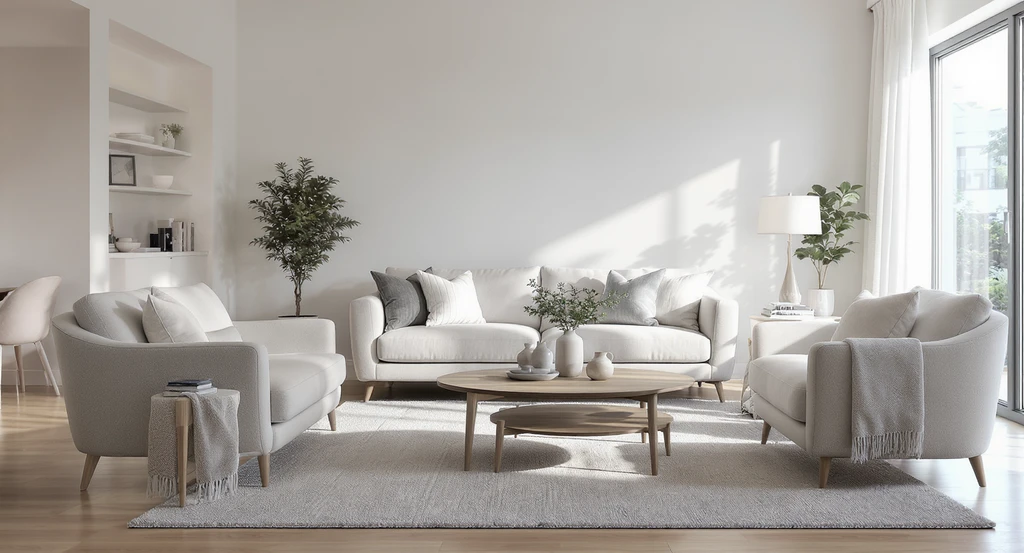
AI home staging using carefully chosen, realistic furniture proportions makes homes feel real, answering buyers’ silent questions about space and usability.
Empty rooms often feel smaller than they are, because buyers lose natural reference points. Overly large or tiny furniture in visuals breaks the illusion, making spaces feel either cramped or oddly vacant. Properly scaled furniture does more than improve appearance, it gives buyers an accurate sense of proportion. Instead of wondering whether a sectional, dining table, or bed will fit, they receive visual proof. Removing that uncertainty is one of the fastest ways to make a room feel believable. This is a key way to answer the silent buyer question: "Will my stuff fit here?"
-
3. Keep Décor Simple but Inviting
Overdoing décor can distract and confuse buyers. Expert stagers, and well-trained visualization professionals, know that simple, neutral accessories like textured rugs, plump throw pillows, or a bowl of fruit help buyers see potential, not clutter. Less visual noise lets buyers see their own lives in the space, a point covered in our post on the subtle cues behind buyer attachment.
-
4. Leverage Warm Natural Lighting

Natural lighting in real estate photos, enhanced by ai home staging, creates authentic spaces that make listings feel real and answer silent buyer questions.
Lighting completely changes the perception of a home. Human editors know when and how to digitally enhance natural light, without making it look artificial. That subtle blend of sunlight washing over neutral tones does more to build trust than any neon accent or filter effect. Listings staged with realistic lighting patterns encourage feelings of comfort and authenticity. For more on this, see our discussion about common visualization gaps that break buyer trust.
-
5. Use Consistent Styling Throughout
Nothing breaks buyer immersion like jarring design changes from room to room. Human stylists bring cohesion across a home's visuals, making sure each area tells a unified story. This sense of flow matters, it helps prospective buyers feel the entire property belongs together, not like a collection of mismatched scenes.
-
6. Anticipate Lifestyle Questions
Every buyer walks through a home with silent questions: "Can I see myself having coffee here? Where’s the kids’ play area?" Professional stagers and visualization designers pay close attention to these details—they create micro-experiences in the home, answering those questions visually instead of forcing buyers to imagine. This builds a stronger, faster emotional connection.
-
7. Avoid Overly Luxurious or Unrealistic Touches
It’s tempting to gravitate towards high-end, magazine-worthy visuals. But often, 'real' beats 'fancy.' Buyers trust what feels possible, not just what's impressive. Overly luxurious visuals or unrealistic decor can actually distance buyers. Human experts choose styles that are aspirational yet achievable, helping buyers envision their lives (not someone else’s) in the space.
-
8. De-Personalize, But Don’t De-Humanize
A lived-in feeling is inviting, but anything too specific (like wedding photos or quirky collectibles) can inhibit a buyer's imagination. The human touch means editing spaces so they feel welcoming and lived-in, but neutral enough for anyone to imagine moving in. Thoughtful editors balance this in every visual, a subtlety that automated tools still struggle to master.
-
9. Use AI Visualization Tools, With Real Design Guidance
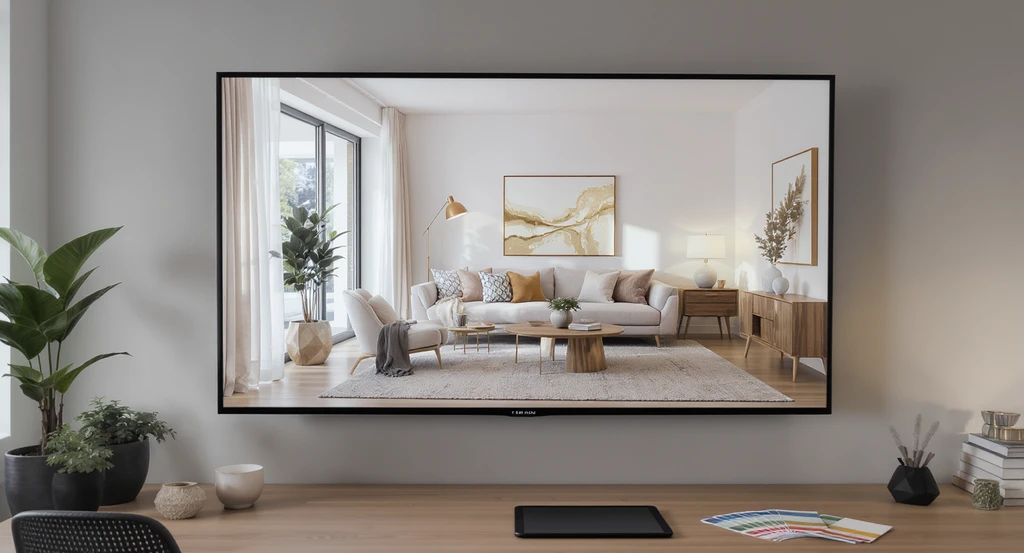
Showcasing how AI visualization makes homes feel real—human-selected color swatches and layouts enhance AI home staging for authentic connection in real estate listings.
AI visualizations are powerful, but their real impact comes when combined with human judgment. A human expert chooses layouts, colors, and lighting that reflect the property’s strengths and the audience’s preferences, maximizing believability and minimizing mistakes. As outlined in our overview of the real estate visualization gap, technology works best when it serves thoughtful design, not replaces it.
Frequently Asked Questions
It means showing buyers spaces in a way that lets them easily imagine living there, with clarity and minimal guesswork.
Why do empty rooms often feel smaller?
Without visual reference points like furniture, rooms appear smaller and harder to use—staging solves this by showing scale.
Is luxury staging necessary for a home to feel real?
No—realistic, comfortable, and believable staging usually performs best because buyers trust what feels attainable.
How does AI visualization help?
AI visualization lets sellers and agents preview different layouts, furniture, and finishes—often with expert input—before investing in physical changes.
What's the biggest mistake sellers make?
Over-personalizing spaces or leaving them too bare. Aim for neutral, welcoming visuals that appeal to as many buyers as possible.
Can styling impact online listing performance?
Absolutely! Listings with realistic, emotionally engaging images typically get more attention, more showings, and better offers.
The Real Power of Feeling "Real"
"Make it feel real" isn't just a trendy phrase, it's an essential part of selling trust, comfort, and possibility. Buyers react emotionally in seconds to visuals that answer their silent questions and lower uncertainty. Whether through thoughtful virtual staging, image enhancement, or AI-aided visualization, human-driven design still makes the core difference in helping homes feel welcoming, believable, and desirable. For those looking to bridge the last gap between online browse and 'this is it' moments, remember: clarity, connection, and grounded expertise always outperform mere aesthetics. If you want real results, seek expert guidance, and give buyers less to imagine, and more to love.