TL;DR
Virtual staging usually fails for one reason: it creates a mismatch between what buyers expect online and what they experience in person. The biggest conversion killers are oversized furniture, style mismatches, excessive styling, hidden flaws, inconsistent room design, and poor disclosure practices. These mistakes may increase clicks but often reduce showings and offers because buyers feel reality falls short of the listing promise. The highest-performing virtual staging does not maximize visual impact, it minimizes buyer uncertainty.
Why Virtual Staging Fails, And How It Hurts Conversion
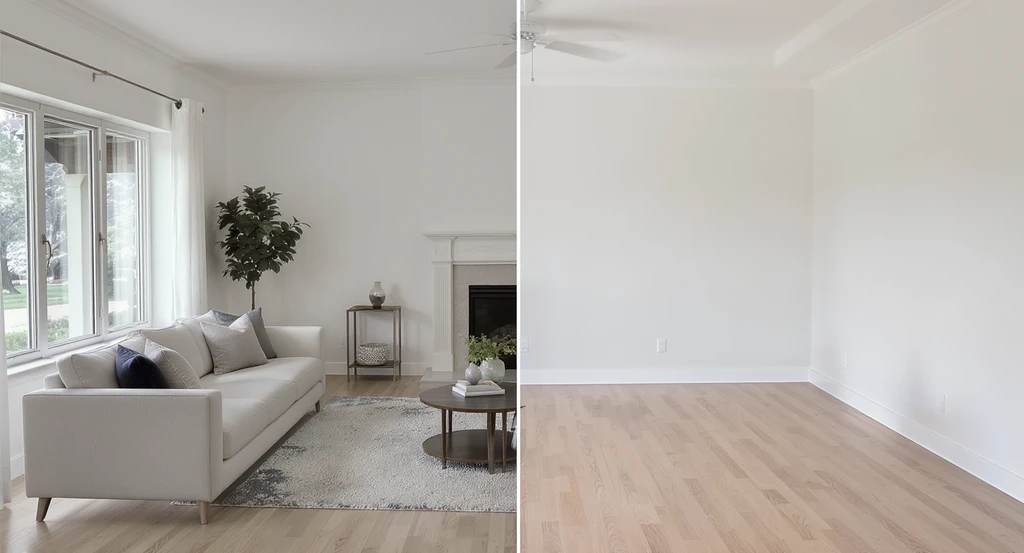
Virtual staging mistakes that hurt conversions, like unrealistic furniture placement and lighting, impact how virtual staging affects buyer trust. Optimizing listing photos for conversions means avoiding common virtual staging errors and managing buyer expectations.
Virtual staging can increase listing engagement, improve visualization, and help empty properties feel more inviting and livable. But visually impressive images alone do not guarantee conversions. Some of the most damaging virtual staging mistakes are subtle, they attract clicks online while quietly reducing buyer confidence during property showings. The issue is rarely poor design itself. More often, it stems from the growing gap between digital promise and real-world experience.
Modern buyers make rapid decisions based on listing photos and often form expectations before ever stepping inside a property. When virtual staging prioritizes visual impact over authenticity, listings may gain attention but lose serious buyer intent. The hidden problem is a mismatch between what buyers expect online and what they experience in person. Over time, this expectation gap can erode trust, create disappointment, and quietly reduce listing conversions.
-
What Is the Conversion Expectation Gap?
The Conversion Expectation Gap occurs when virtual staging creates a version of the property that buyers expect to experience in real life, but reality fails to match that impression. Buyers naturally form assumptions from listing images about room size, lighting, comfort, layout flow, and overall atmosphere. When a property showing reveals smaller spaces, awkward room proportions, or features that appear different from the photos, buyer confidence can quickly decline.
According to our guide on virtual staging MLS best practices, reducing this gap is essential for stronger listing performance and better buyer trust. Virtual staging should help buyers accurately visualize the home rather than create unrealistic expectations. Buyers subconsciously process visual cues and compare what they see online with what they experience during a visit. The closer those two experiences align, the more likely buyers are to move forward with confidence.
Expert Insight
An agent listed a compact city condo and staged it with oversized luxury furniture and dramatic lighting to create a premium feel. Online engagement initially increased. But during showings, buyers repeatedly commented that rooms felt smaller than expected. After replacing the staging with true-to-scale furniture and simpler layouts, showing quality improved. Traffic decreased slightly, but serious inquiries increased and buyer feedback became more positive.
-
Mistake #1: Oversized or Unrealistic Furniture

Virtual staging mistakes like using oversized or unrealistic furniture mislead buyers and hurt conversions, damaging trust in listing photos.
Using furniture that does not match the actual proportions of a room is one of the most common virtual staging mistakes. Large sectional sofas, oversized coffee tables, or king-sized beds are sometimes placed in compact rooms to create a more luxurious appearance. While the result may look visually impressive, buyers often use furniture scale as a reference point to judge room dimensions and understand how usable a space truly is.
During in-person showings, buyers can quickly sense when a room feels smaller or more constrained than the listing photos suggested. That disconnect creates disappointment and weakens trust. As discussed in our article on top virtual staging mistakes to avoid, maintaining realistic proportions is essential for accurate visualization. Virtual staging should reflect true room dimensions so buyers can build realistic expectations and confidently imagine themselves in the space.
-
Mistake #2: Designing for Social Media, Not Buyers
Social-media-worthy interiors often perform very differently from buyer-focused interiors. Dramatic lighting, bold color palettes, and statement décor may attract attention and generate online engagement, but buyers are not browsing listings for design inspiration alone. They are evaluating whether they can realistically imagine themselves living in the space. High-converting virtual staging prioritizes emotional familiarity and comfort over visual spectacle.
A more effective approach is to create neutral, welcoming layouts that appeal to a broader range of buyers and lifestyles. Comfortable furniture arrangements, balanced design choices, and practical room setups help buyers connect emotionally with the property. The strongest listing conversions happen when people see a space that feels believable and livable, not simply visually impressive.
-
Mistake #3: Staging Without Buyer Demographic Context
A three-bedroom suburban home marketed to young families may lose engagement if it is staged like a luxury bachelor loft. Buyers connect more easily with spaces that reflect their daily routines and lifestyle needs. Parents often respond to practical cues such as reading corners, play areas, flexible family spaces, or multipurpose layouts that feel relevant to everyday living. A generic virtual design with no sense of purpose says far less than a thoughtfully staged room that communicates how the space can actually be used. Similarly, young professionals may value a functional home office or productivity-focused workspace more than additional seating or decorative elements.
High-converting virtual staging aligns with the expectations and priorities of the likely buyer. Understanding audience needs should happen before any styling decision is made. When staging reflects how people realistically live and use a home, it reduces decision friction and creates stronger emotional connection. Buyers engage more deeply with spaces that feel personally relevant rather than designs driven solely by trends or aesthetics.
-
Mistake #4: Digitally Creating a Different House
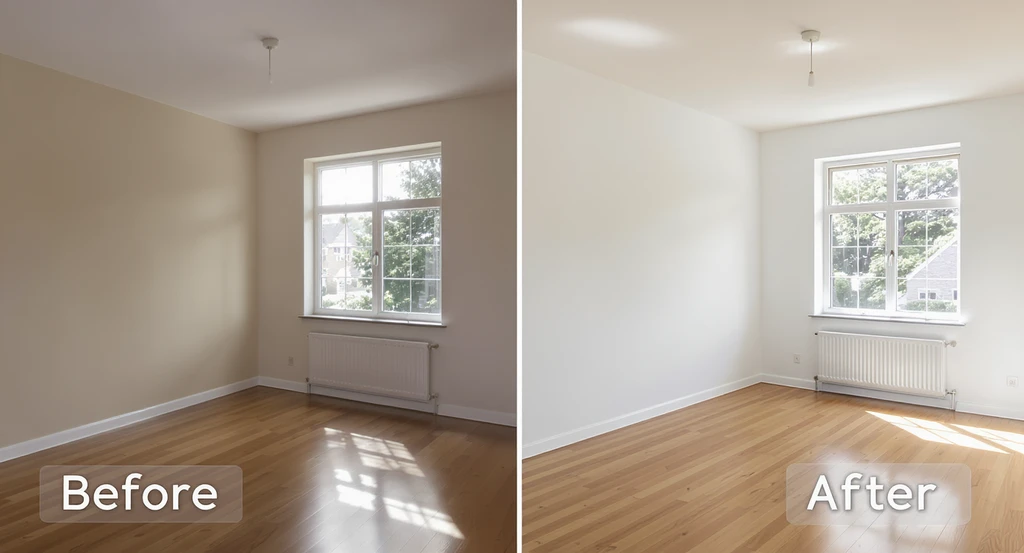
Virtual staging mistakes that hurt conversions include digitally changing fixed elements like walls and windows—missteps that undermine buyer trust and can violate listing photo guidelines.
Altering fixed elements, removing flaws, changing wall colors, enlarging windows, modifying floors, crosses the line from helpful visualization to misrepresentation. Buyers quickly notice these differences during a visit. Not only does this sabotage trust, but it can also violate MLS guidelines, as discussed in the post on what’s allowed in MLS listing photos. Virtual staging should only enhance, not rewrite, actual property features. Major digital edits require clear disclosure and, ideally, comparison with the untouched photo alongside the concept version.
-
Mistake #5: Clutter Disguised as Style

Overcrowding a virtual staging with too much furniture and decor is a common virtual staging mistake that hurts conversions and undermines buyer trust. Optimizing listing photos with clarity, not clutter, is key to showcasing a home’s true potential.
Digital tools often tempt stagers to "fill up" empty rooms. Overcrowding with accent chairs, multiple side tables, and endless decor can feel realistic to the creator but is cognitively exhausting for viewers. Too many objects actually make rooms look smaller and distract buyers from the main selling points.
According to our exploration of virtual staging mistakes, buyers need clarity, not complexity. Minimalist layouts provide room for imagination, making it easier for prospects to see how their own furniture and lives might fit.
-
Mistake #6: Inconsistent Staging Across Rooms
Visual inconsistency is a subtle yet damaging pitfall. Staging every space in a different style, modern lounge, boho bedroom, farmhouse kitchen, destroys the flow of the home. This makes the property feel disjointed rather than coherent.
A single, unifying visual strategy across all rooms is the safest way to create a narrative flow. Buyers more easily recall listings that feel internally consistent, reducing decision fatigue and building subconscious trust.
-
Mistake #7: Skipping Virtual Staging Disclosures
Omitting the "virtually staged" watermark or failing to declare digital edits creates serious risk. Buyers and agents need transparency to frame their expectations. This is not just about compliance—it's about credibility.
Our deep dive into why virtual staging disclosure is important highlights that trust directly influences conversion. The listing description and images should flag what is real and what is edited. More transparency means fewer wasted showings and greater buyer satisfaction.
-
A Three-Layer System for Reducing Friction
Before making virtual images public, check them against three criteria:
- Accuracy: Are scale and spatial cues correct and honest?
- Relatability: Is the space emotionally accessible—can buyers imagine themselves living there?
- Trust: Would in-person visits meet or exceed online expectations?
-
Virtual Staging Pre-Publish Checklist
Use this checklist before publishing:
- Is furniture scale realistic?
- Does style match buyer profile?
- Is the layout simple and uncluttered?
- Are all rooms consistent in visual language?
- Has nothing permanent been digitally altered?
- Is the virtual staging clearly disclosed?
- Can buyers expect the same spatial experience in person?
Visualization Scenario
Imagine two otherwise empty living rooms. The first is staged with oversized glam furniture under spotlights—attention-grabbing but visually overwhelming. The second uses true-to-scale sofas, soft lighting, and clear sightlines. The first wins likes, the second builds trust. Trust drives conversions: buyers schedule showings because they believe what they see.
Frequently Asked Questions: Virtual Staging & Conversion
- Does virtual staging always increase conversions?
- No. Virtual staging works when it helps buyers visualize realistically without creating false expectations. Unrealistic edits can drive clicks but lower showings and offers.
- What is the most damaging virtual staging mistake?
- Poorly scaled furniture. Incorrect proportions break trust and make real rooms feel disappointing compared to images.
- Should I declare all virtually staged images?
- Yes. Clear disclosure protects you and buyers and is required by most MLS platforms. It also builds buyer trust and reduces operational risk.
- Does cluttered staging help empty rooms?
- No. Rooms crowded with furniture and decor limit imagination and make spaces feel smaller. Minimalist, purposeful layouts work better for conversions.
- Do buyers notice violations in digital staging?
- Yes. Buyers quickly pick up on inconsistencies, missing features, or suspiciously perfect images—leading to disappointment and fewer offers.
Conclusion: Realism and Trust Outperform Perfection
The main job of virtual staging is not to impress, it’s to remove uncertainty. Overly-perfect or unrealistic images produce friction, not desire. Practical, honest visualization allows buyers to trust the space and convert with confidence. Every decision, from furniture scale to disclosure, should close the gap between digital promise and in-person inspection. The strongest conversions always follow transparency and psychological alignment.
In real estate marketing, attention creates clicks, but trust creates action. Buyers rarely remember the listing with the flashiest virtual staging. They remember the one that felt believable. The goal is not perfection, it is confidence.