TL;DR
Discover 9 of the most influential home architectural styles for 2026. Learn the defining traits, pros, and practical tips for each, and see why expert design input is crucial for realistic curb appeal and long-term value.
Why Architectural Style Is More Than Just Curb Appeal
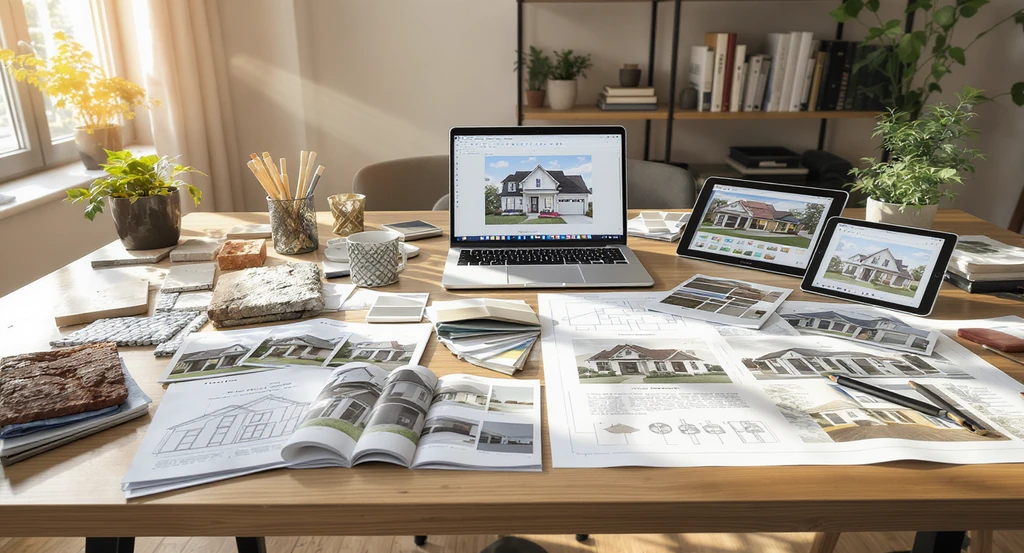
Expert-led design workspaces help homeowners visualize exterior home architectural styles for better curb appeal, ensuring tailored front yard and hardscaping plans by style.
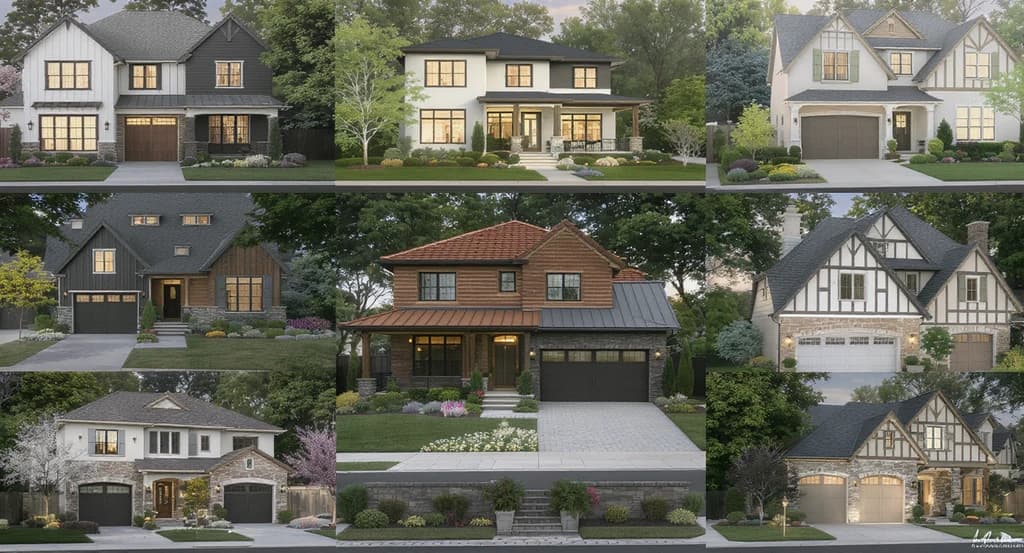
The most influential home architectural styles shaping curb appeal in 2026 include Modern, Contemporary, Modern Farmhouse, Scandinavian, Mediterranean, Craftsman, Colonial Revival, Industrial Modern, and Japandi. Each offers unique benefits for aesthetics, maintenance, resale value, and buyer appeal.
Choosing the right architectural style can improve curb appeal, increase perceived home value, and attract stronger buyer interest. While visualization tools help homeowners explore ideas, understanding the defining characteristics of each style leads to more informed and lasting design decisions.
Below, we explore nine popular architectural styles for 2026, their key features, and how each can enhance the appearance, functionality, and long-term value of a home.
-
1. Modern Architecture
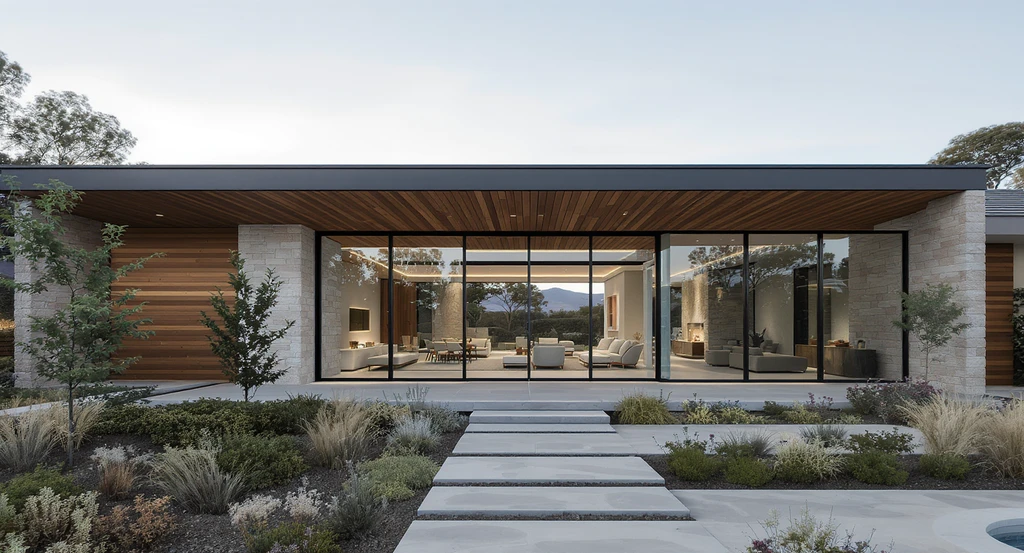
Modern architecture’s flat roofs, glass walls, and open layouts create striking curb appeal. Visualize exterior home design changes that maximize light and modern landscaping for the best hardscaping options by architectural style.
What defines it: Modern homes favor flat or low-pitched roofs, open floor plans, clean lines, and walls of glass. Interior and exterior merge with strong indoor-outdoor connections.
Why it matters: This style’s minimalism and function attract those craving space and light. But achieving the right balance, so the design feels warm, not stark, relies on careful decisions about materials, flow, and proportion.
According to our guide on why visualization tools are important for stress-free home renovation, integrating visual tools with human oversight ensures the design vision remains practical and appealing.
Takeaway:Modern architecture performs best when open layouts, natural light, and indoor-outdoor living are carefully balanced to create spaces that feel both functional and welcoming. -
2. Contemporary Architecture
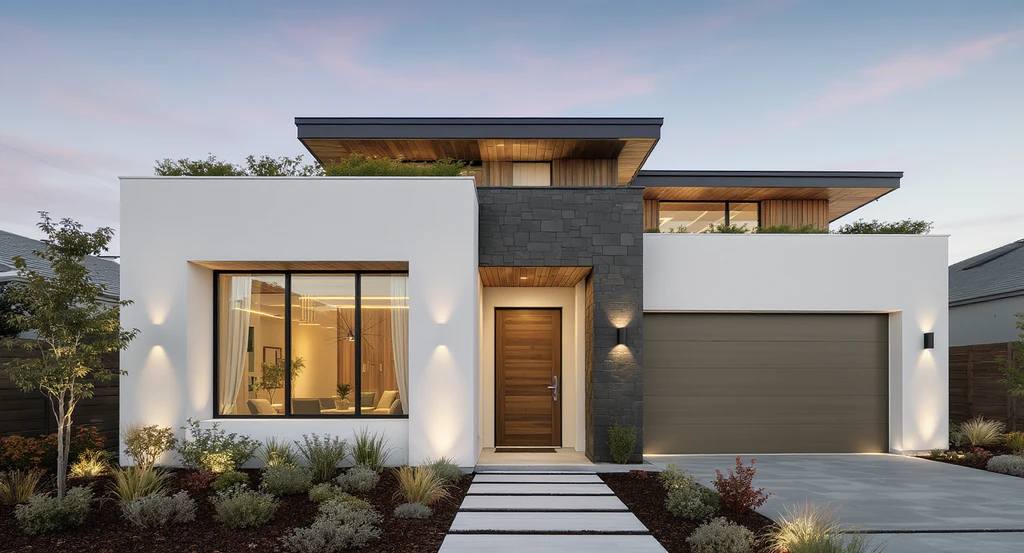
A 2026 contemporary architectural home showcases mixed-material exteriors, sustainable landscaping, and smart curb appeal—perfect for visualizing exterior home design changes.
What defines it: While similar to modern, contemporary homes reflect today’s evolving design language, often mixing materials, using daring forms, and prioritizing sustainable features and smart technology.
Why it matters: Trends change and innovation is constant, so designers must synthesize what works now with what will age well.
Takeaway: Purely automated visuals can look stylish but lack the nuanced touch needed for longevity and liveability, making human editing essential. -
3. Modern Farmhouse
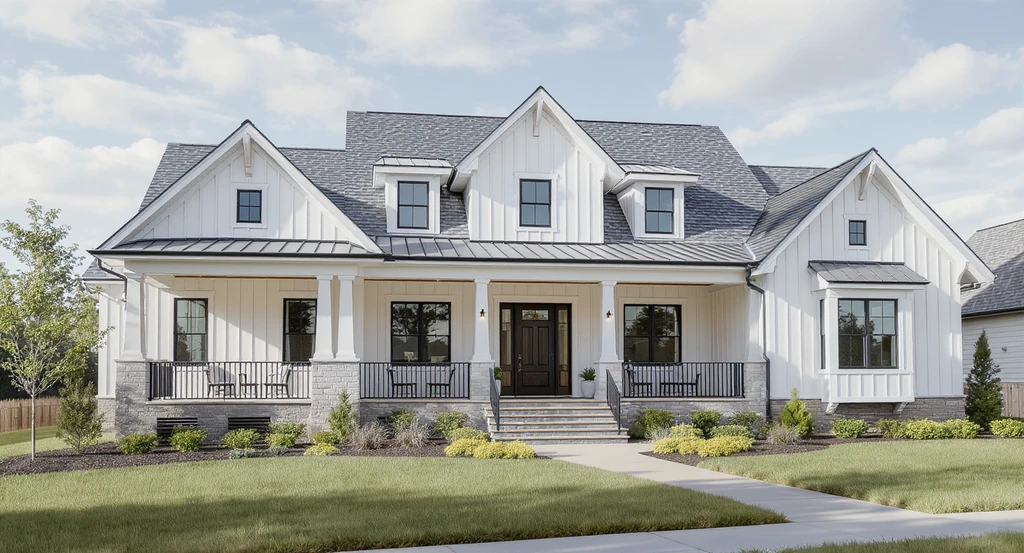
A modern farmhouse blends board-and-batten siding, gabled roofs, and black window trim, offering exterior home architectural style and curb appeal inspiration.
What defines it: This style is rooted in rural charm, think board-and-batten siding, big porches, gabled roofs, and black window trim, but streamlined for a modern audience.
Why it matters: Human experts help find the right blend of traditional comfort with functional, resale-ready layouts. The wrong details (poor proportions, inauthentic materials) are obvious to buyers and can reduce trust.
Takeaway: To achieve ‘real’ curb appeal and avoid that showroom or AI-generated sameness, rely on authentic design judgment. -
4. Scandinavian Style
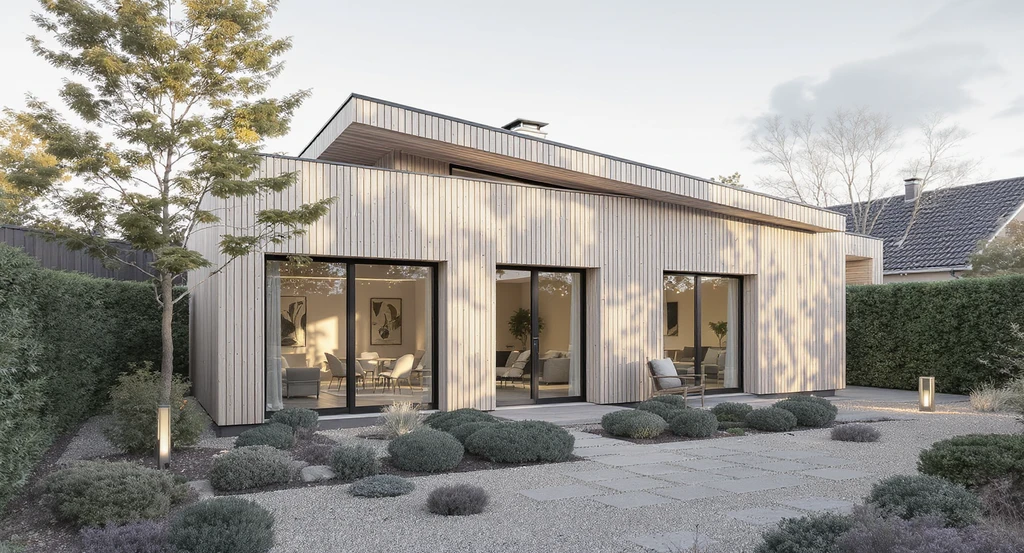
Scandinavian-style home exterior featuring light woods and minimalist landscaping, exemplifying modern curb appeal and architectural harmony for 2026.
What defines it: Minimalism, light woods, neutral color palettes, and bright, airy interiors that embrace functionality.
Why it matters: The subtlety of Scandinavian style is easy to miss in mass-produced visuals. Human designers know how to emphasize light, space, and warmth for a welcoming, restful vibe.
For deep inspiration, see our exploration of Japandi interior design ideas.
Takeaway: Hire experts to help your Scandinavian designs feel inviting, not sterile. -
5. Mediterranean Architecture
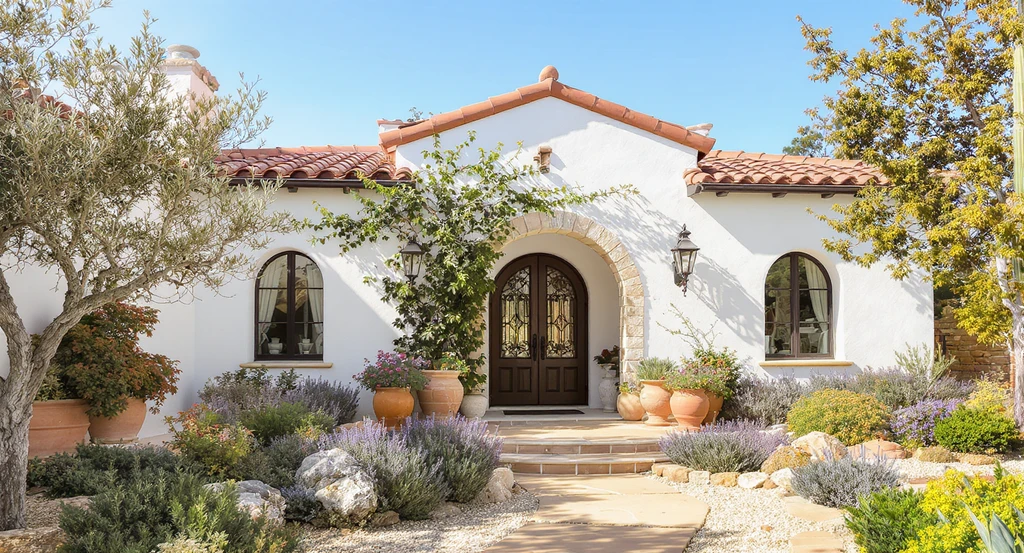
Mediterranean architectural style elevates exterior home design with red tile roofs, white stucco walls, and climate-appropriate front yard landscaping for better curb appeal.
What defines it: Low-pitched red-tile roofs, white or earth-toned stucco exteriors, arched doors/windows, and courtyards.
Why it matters: These homes evoke timeless, sunny elegance, but only when proportion and detailing are handled with care. Automation struggles with nuances like wrought-iron accents or climate-appropriate landscaping.
Takeaway: Only experienced eyes can refine Mediterranean exteriors for authenticity, especially in landscaping and outdoor living zones. -
6. Craftsman
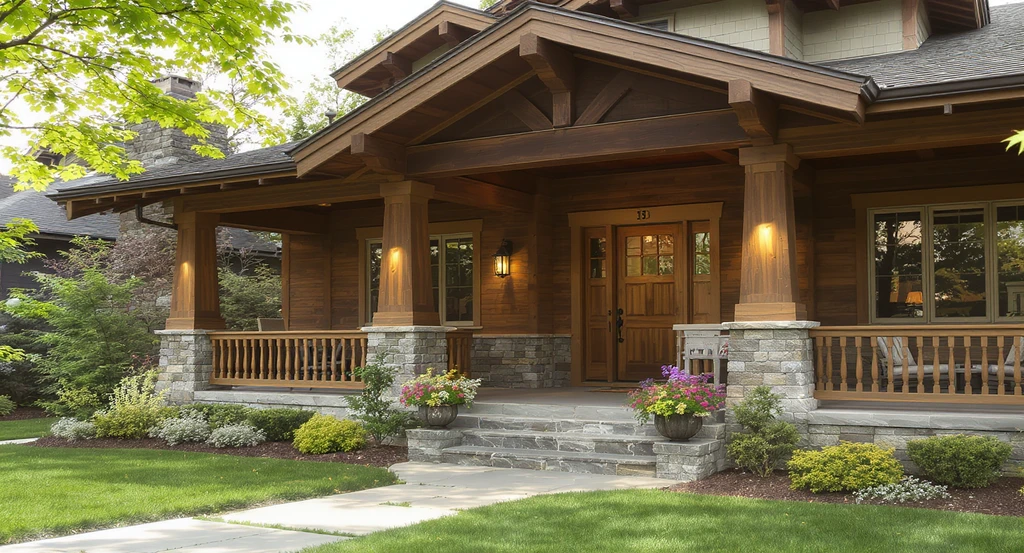
Craftsman architectural style stands out with handcrafted details and authentic materials, making it a top choice for exterior home curb appeal upgrades.
What defines it: Wide porches, tapered columns, low-pitched roofs, and an emphasis on hand-crafted details.
Why it matters: This is a style where shortcutting design details (like misaligned eaves or synthetic materials) can break the spell for potential buyers.
Takeaway:Craftsman homes stand out through authentic materials, handcrafted details, and a strong connection to traditional design principles. -
7. Colonial Revival
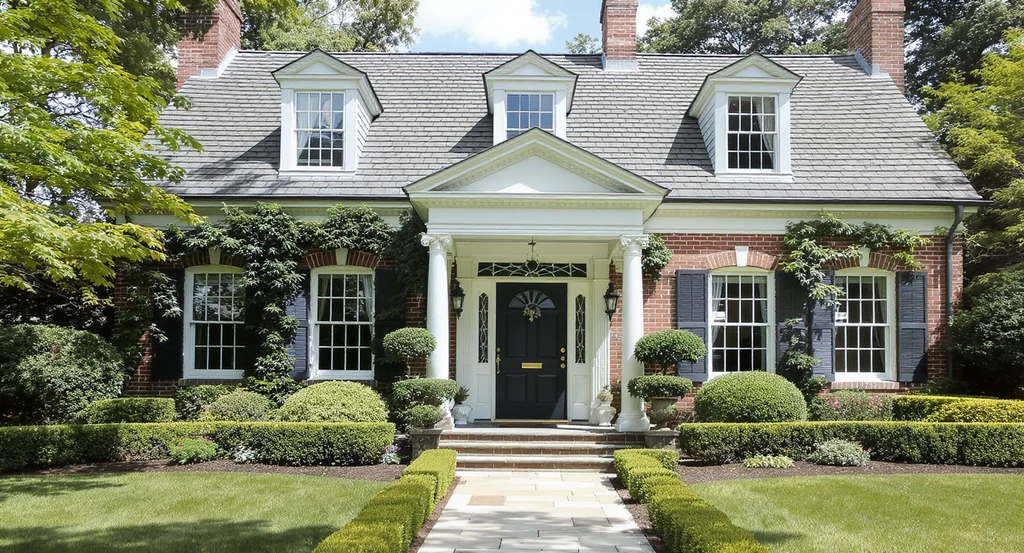
This Colonial Revival home exemplifies balanced symmetry, multi-pane windows, and timeless curb appeal—an iconic exterior home architectural style emphasizing precise proportions.
What defines it: Symmetry, multi-pane windows, simple rooflines, and decorative front doors.
Why it matters: Colonial homes thrive on restraint and balance. Getting the scale and symmetry wrong, even slightly, can feel immediately "off."
Takeaway:Colonial Revival architecture remains appealing because of its symmetry, balance, and enduring sense of formality. -
8. Industrial Modern
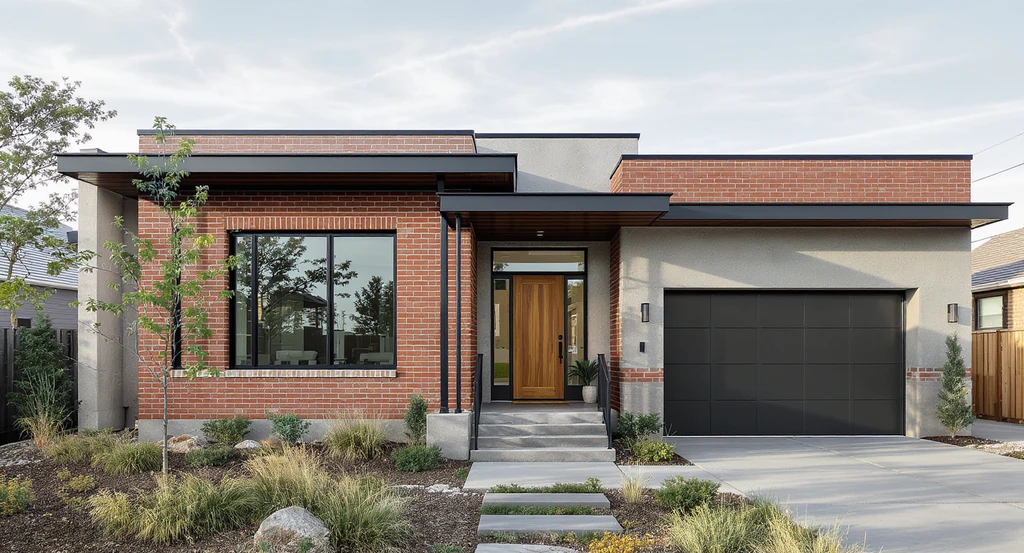
This ultra-realistic Industrial Modern home blends exposed brick and concrete with steel stair accents and oversized windows, demonstrating how exterior home architectural styles and strategic landscaping ideas can elevate curb appeal while maintaining livable comfort.
What defines it: Open layouts, concrete or brick features, steel-stair accents, and oversized windows.
Why it matters: The right industrial look only works when materials and transitions blend seamlessly with residential comfort, not just warehouse vibes.
Takeaway: Industrial Modern homes achieve the best results when raw materials are balanced with warmth, comfort, and residential functionality. -
9. Japandi
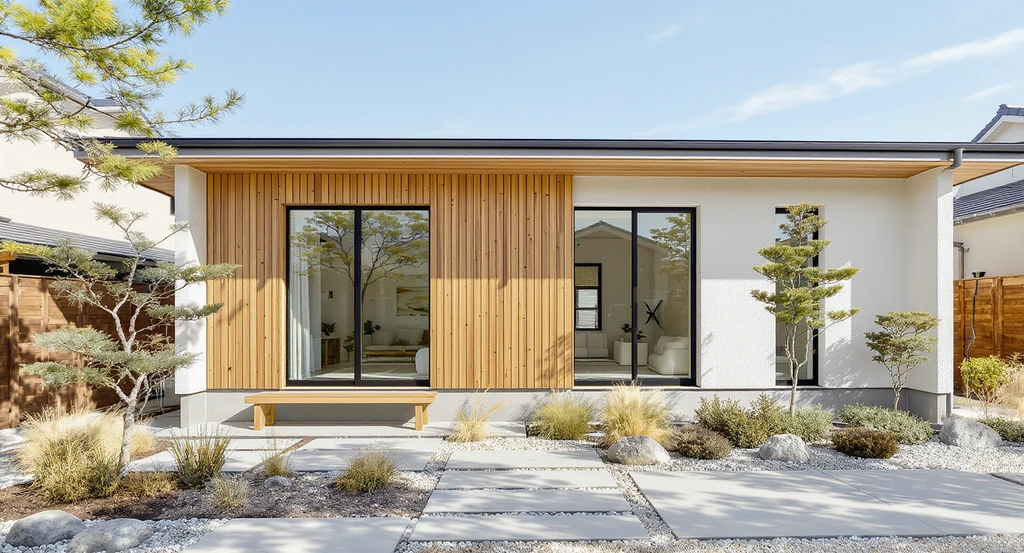
Japandi home styles blend Japanese and Scandinavian elements, using wood, stone, and minimalist landscaping ideas for modern curb appeal.
What defines it: A calming fusion of Japanese and Scandinavian: warm woods, visual quiet, organic materials, neutral colors, and minimal clutter.
Why it matters: Achieving “effortless” harmony is impossible with templates or AI alone. This is a style rooted in deep craftsmanship and sensitivity.
For a deeper look, see our step-by-step guide to Japandi interiors.
Takeaway: Japandi continues to grow in popularity because it blends minimalism, comfort, and emotional wellbeing into a highly livable architectural style.
Frequently Asked Questions
Styles with balanced proportions, thoughtful material choices, and expert landscaping—like Modern Farmhouse or Craftsman—offer high curb appeal when planned with professional guidance.
How can I visualize exterior home design changes before building?
Use expert-led renderings and 3D walkthroughs. Learn more about this process in our article: How to visualize your home before renovating.
Do I need both an architect and a visual designer?
While architects handle structure and layout, visual designers add crucial realism and buyer appeal—especially for listings or custom exteriors.
Are landscaping and hardscaping choices tied to the house style?
Yes. The ideal landscaping ideas for modern home styles or best hardscaping options by architectural style will always complement the house design. Experts ensure these decisions are cohesive.
Can I get realistic visuals with just AI?
AI tools help, but as highlighted in our discussion of home renovation tools, human review is essential to tweak realism, catch errors, and reflect your true vision.
Expert-Guided Visualization: Where Curb Appeal Meets Lasting Value
AI and visualization tools can provide instant previews, but true curb appeal, architectural harmony, and lasting buyer confidence require subtle human skill. From landscaping ideas for modern home styles to choosing the best hardscaping by architectural style, as we explored, expert input helps you make design decisions that feel both contemporary and timeless.
Professional designers and editors spot inconsistencies and tailor visuals to real buyer psychology, helping you avoid expensive design regrets and ensuring your listing or home stands out for the right reasons. That’s why clients return to expert-guided services.
If you want to visualize exterior home design changes with confidence, blend modern tools with trusted human insight for the best results.