TL;DR
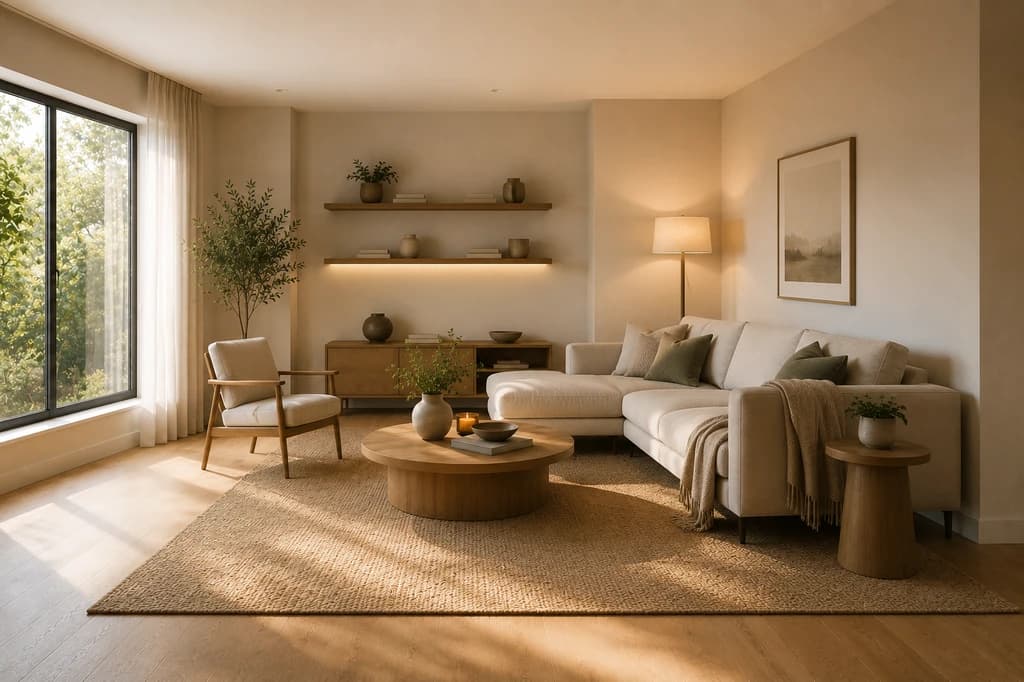
The calmest living rooms don’t rely on expensive decor, they avoid visual overload. Tricks like repeating undertones, leaving open space, and layering soft light make any space more restful. Human design judgment matters most for subtle details that AI and generic trends miss.
Why Calmer Living Rooms Matter
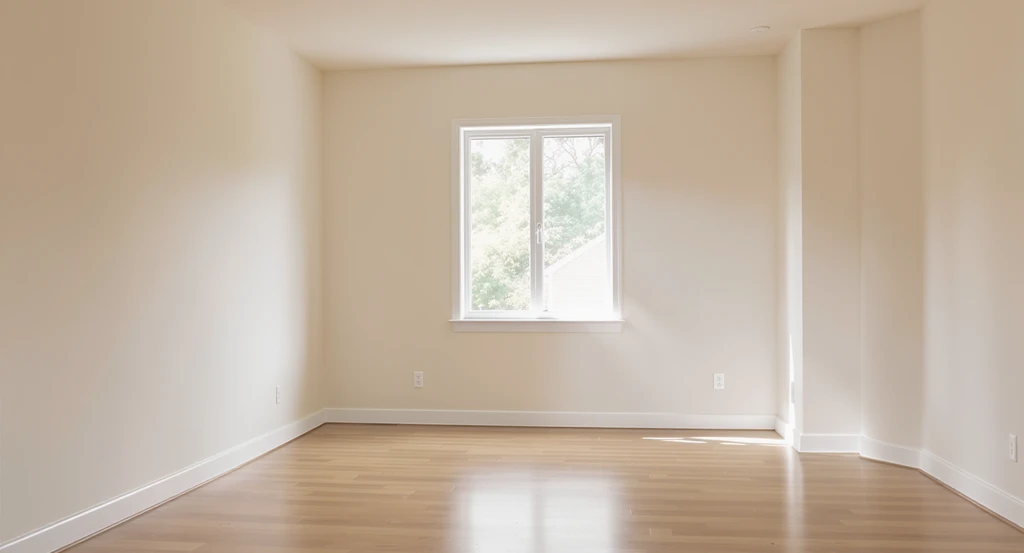
How to decorate an empty living room for calmness begins with visualizing the potential of a blank, serene space—see steps to create a calming blank room before arranging furniture, inspired by Living Room Decorating Tricks That Make Spaces Instantly Calmer.
Ever walked into a living room that technically looks 'finished' but feels a little tiring? Too many details—like sharp contrast, crowded shelves, bright lighting, or clashing styles that compete for your attention. Even upscale furnishings can’t fix a space that feels visually busy or mentally restless. The best living rooms, according to our research on making small spaces feel bigger—are often the simplest. These rooms use subtle, human-driven tricks to create calm rather than trying to impress in every corner. Human expertise helps spot the little details that AI or “quick fix” trends often miss, so your room feels easy to live in, not just easy to photograph.
-
1. Stick to a Consistent Visual "Temperature"
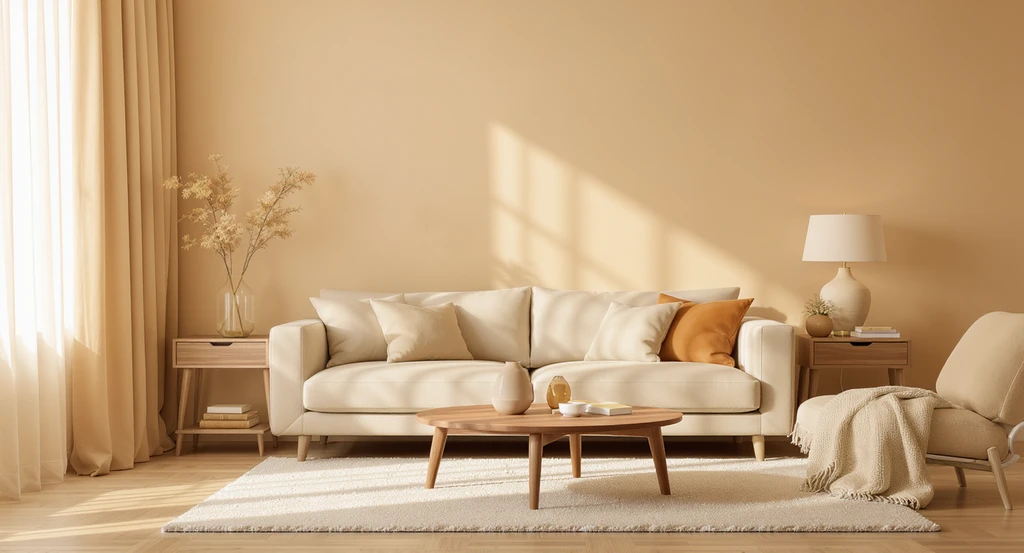
Visualizing empty living room potential: using a consistent visual temperature connects every surface, a key step to create a calming blank room and arrange furniture for calmness.
Mixing warm and cool undertones across fabrics, finishes, and walls can feel subtly unsettling—even if no individual piece looks wrong. A warm wood beside a cool gray sofa, or beige curtains against sharp white walls, may make a room feel off. Professional designers choose materials that repeat similar undertones throughout, visually connecting every part of the room. This steadiness encourages relaxation because your eyes aren’t adjusting to new 'temperatures' every few feet.
Expert Insight
A family once asked for staging help in their minimalist living room. The space looked great in listing photos but felt cold and exhausting in person. By swapping some cool-toned accessories for warm ones, reducing shelf clutter, and adding layered lamps, the whole room felt softer and more welcoming. The owner later said guests started to linger and relax, not rush out.
-
2. Use Gentle Contrast with Large Furniture
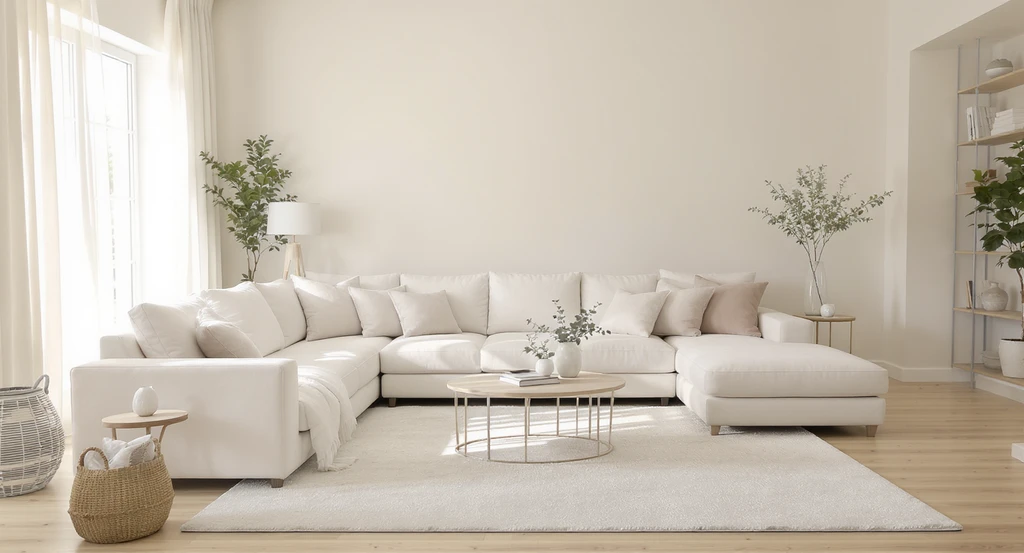
Arranging large furniture in soft, tonal colors creates a calming, harmonious living room. Decorate empty living rooms for instant calm using gentle contrast.
A black sofa on white tile or a heavy coffee table surrounded by lighter decor creates harsh dividing lines that draw attention often making rooms feel 'hard.' Keeping main furniture pieces in softer, tonal ranges blends them with the rest of the space. As a result, the eye flows smoothly from piece to piece with less visual interruption. Human judgment helps choose just the right shade and placement for harmony, not competition.
-
3. Let Some Elements Stay Quiet
Calming rooms aren’t a parade of statement lamps, patterned rugs, accent walls, and bold artwork. If every piece asks for attention, your eye never has a place to rest. Experienced designers intentionally give some decor a supporting role pausing the visual noise. Visual silence, as we explained in our Japandi design guide, is just as important as decoration. This brings ease the moment you enter.
-
4. Shelves Need Breathing Space—Not Just Organization
Perfectly arranged shelves packed with objects, mixed colors, and uneven spacing can still cause mental fatigue. It’s the visual clutter rather than physical mess that drains energy. Try leaving open space between objects rather than filling every gap. Just like in Scandinavian interiors, described in our step-by-step Scandinavian living room guide, a little emptiness often looks more sophisticated and restful than overloaded arrangements.
-
5. Light the Room Softly, Not Just Brightly
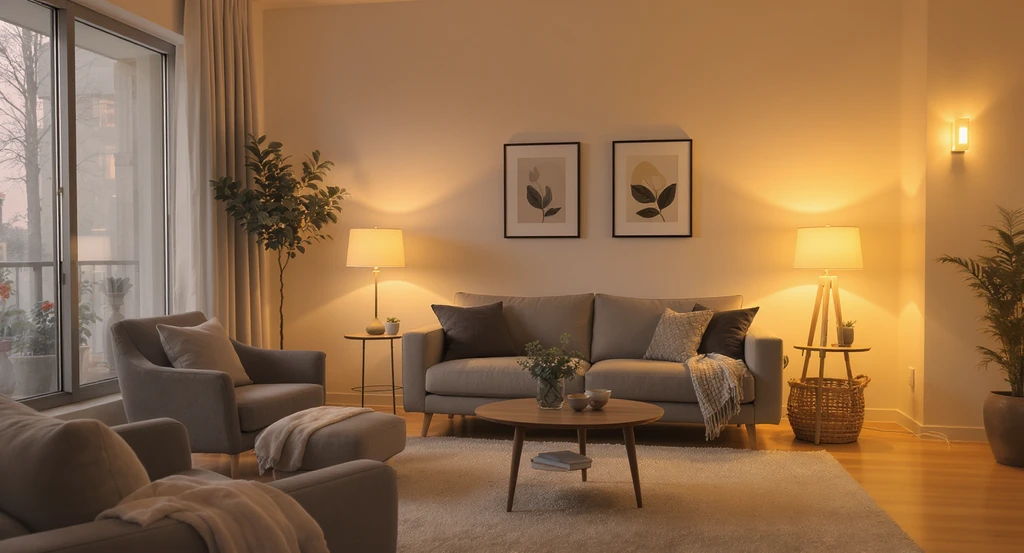
This living room uses layered soft lighting—floor lamp, table lamp, and picture light—to create cozy, calming zones, demonstrating how to decorate an empty living room for calmness using Living Room Decorating Tricks That Make Spaces Instantly Calmer.
Overhead lights flatten a space, making every surface equally bright and removing any sense of depth. Human experts use multiple, softer light sources near seating, artwork, and corners, creating cozy pockets of light. This layering brings the room to life and instantly feels welcoming. The right lighting plan is rarely achieved by generic preset tools; it comes from someone who understands how light shapes emotion.
-
6. Leave Empty Space for Comfort
Filling every wall with chairs, shelves, and side tables is a common mistake. Too much furniture means too little space to unwind. Removing just one piece can make a surprising difference, as revealed in our guide to maximizing flow in small living rooms. Empty space isn’t waste, it’s recovery for your eyes and mind.
-
7. Choose Softer-Rug Patterns to Calm the Room
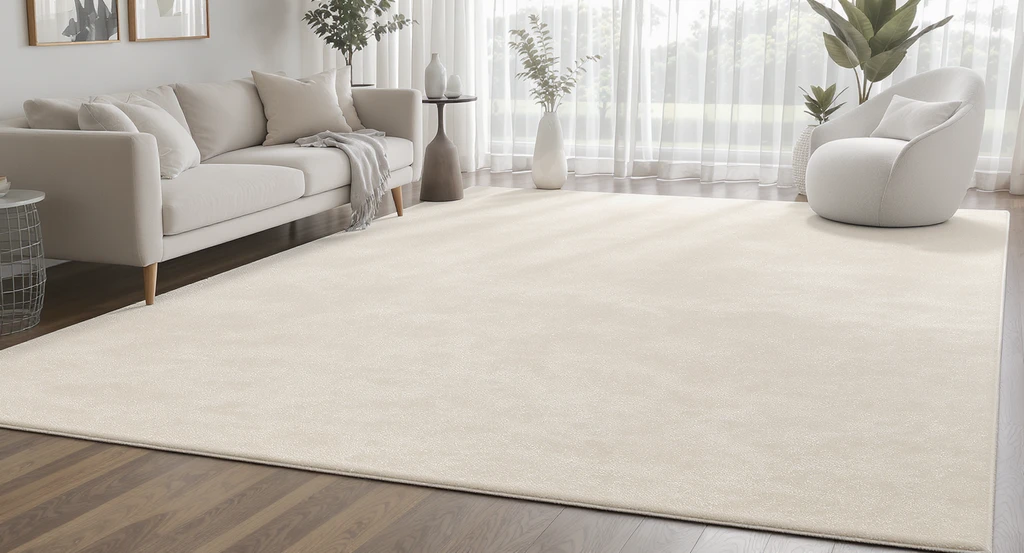
Choosing a softer-patterned rug in gentle neutrals helps create a calmer living room. This decorating trick reduces visual noise and encourages a serene, cohesive space, ideal for those seeking to visualize the steps toward a more relaxing, inviting blank room.
Busy or heavily contrasting rugs grab attention and pull focus to the floor. Softer, gentle-patterned rugs, chosen by experienced editors, ensure the eye moves smoothly across the room rather than getting 'stuck.' Sometimes the best rug is the one you barely notice, which is a trick pros know well for creating calm.
-
8. Vary Decor Heights for Daily Ease
When everything in your living room sits at the same level such as lamp shades, art, shelf tops, the space feels rigid and a bit stressful. Changing up heights gently across decor, lighting, and art creates visual rhythm. This makes for a more organic flow and is a subtle layer of comfort that pro stylists get right. Visualizing empty living room potential often starts here.
-
9. Aim for Emotional Ease, Not Just Looks
Rooms people remember are emotionally easy to sit in, move through, and relax in. This comes from human-centered design, reducing visual pressure and tension. Real designers focus on how a space will feel after hours spent there, not just how it looks at a glance. Calm, trustworthy, believable spaces always win over trendy but tiring rooms. That’s why clients return to human expertise for the most meaningful results.
Visualization Scenario
Picture an empty living room bathed in soft light, a neutral rug anchoring the center, a few well-placed chairs grouped naturally, and open shelves with just enough space around each object. The atmosphere feels calm within seconds, not for any one expensive item, but from the room’s visual quiet.
FAQs
What are the main steps to create a calmer living room?
Stick to similar undertones, leave open space, layer lighting softly, limit busy patterns, and avoid too many statement pieces.
How can I arrange furniture in an empty living room for calmness?
Start with main seating, leave open walkways, allow breathing room around pieces, and keep furniture away from walls where possible.
Why does human expertise matter for calm interiors?
Experienced designers notice subtle issues, like undertone mismatches or lighting imbalances, that basic tools and presets miss.
Can I use these tricks in small apartments or busy homes?
Absolutely. These strategies work in any setting, as we showed in our articles on arranging small apartment living rooms and small space design ideas.
Do certain color palettes help calm a space?
Warm neutrals—like oat, soft beige, and muted clay—usually feel calmer than sharp greys or cold blues.
What’s the quickest trick to reduce visual stress in a living room?
Remove one or two decor items or pieces of furniture and see if the space feels easier right away.
The Real Secret: Human Design Still Matters Most
It isn’t about following a checklist of trends or stuffing rooms with decor. Calm living rooms are built on small moves, gentle contrast, layered lighting, open space, and coordinated undertones. These choices require a sensitive eye, experience, and real-world judgment. AI can generate images; it can’t sense calm or spot subtle distractions that impact a real person day after day. Human expertise gives your space the emotional comfort that makes people want to stay longer and makes buyers trust the listing more.


