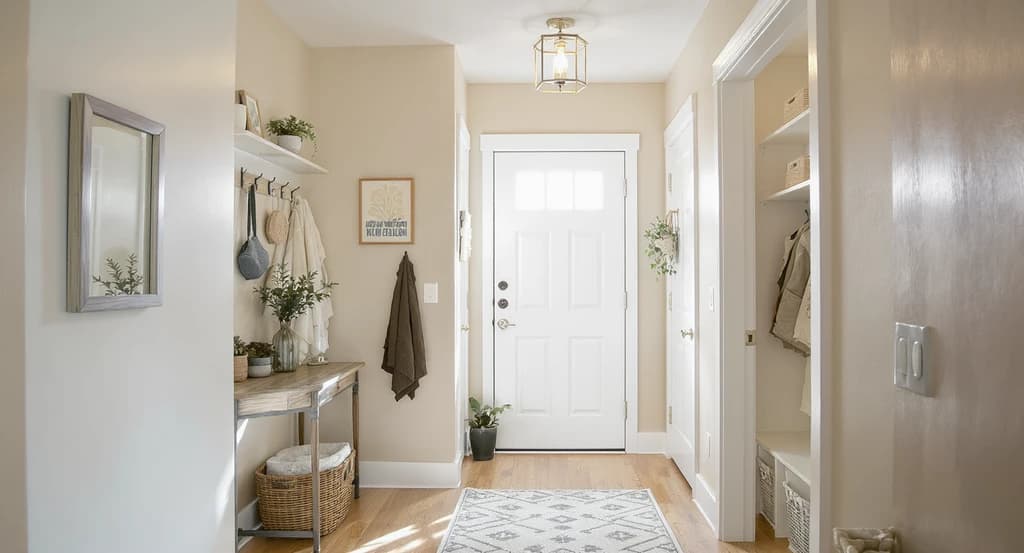
TL;DR
It's not just kitchens or living rooms, buyers judge a property by the overlooked spaces in between. Entryways, corners, hallways, and transition zones influence first impressions and listing engagement. Expert human staging transforms these subtle areas into welcoming, purposeful moments that build buyer confidence.
-
1. Entryways and First Impressions
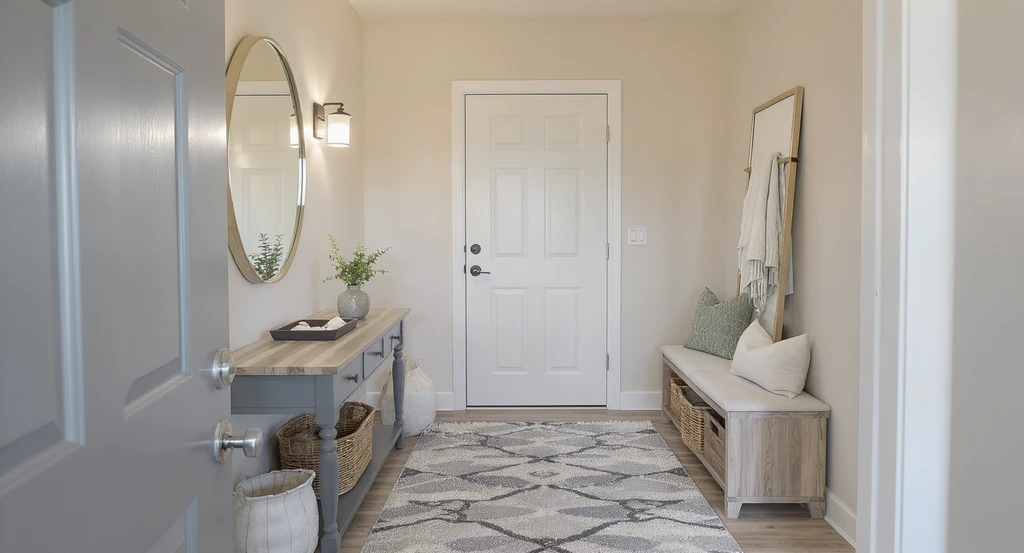
A staged entryway showcases how using ai tools for staging forgotten spaces and ai-powered interior design solutions for transition areas improves buyer confidence and enhances listing photos.
The moment a buyer steps inside, the entryway sets the tone. If it feels cramped, dark, or cluttered, the whole home starts off on the wrong foot. Human experts know how to style entry zones with the right balance, think functional drop zones, soft lighting, and a touch of personality, so buyers feel welcome immediately. According to our guide on why buyers say “this feels like home”, first touches matter more than we think. A staged entry says the home is cared for and move-in ready, increasing buyer confidence from the first step.
-
2. Hallways: More Than Just Pathways
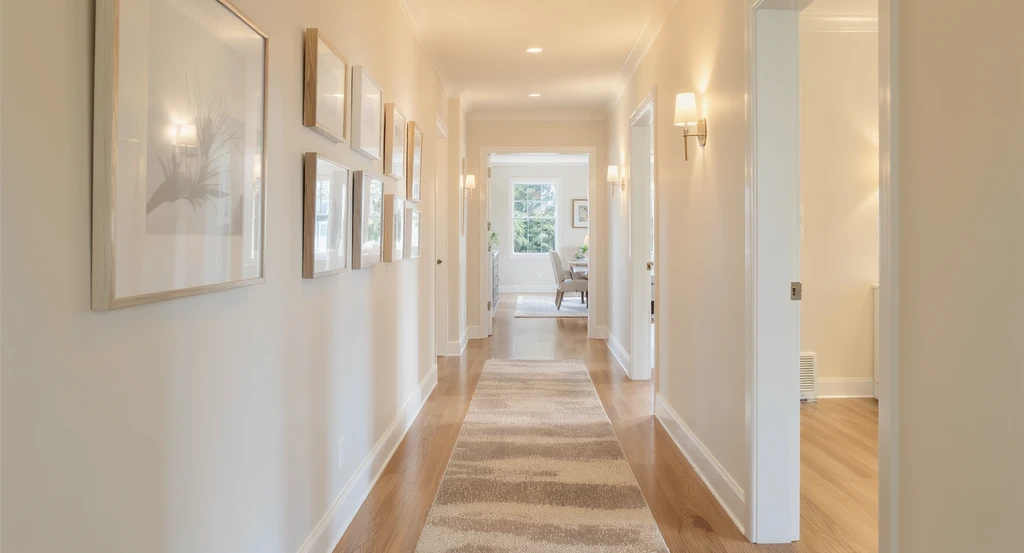
Expert staging in hallways, with art, rugs, and lighting, demonstrates how to visualize entryway improvements with AI-powered solutions, transforming forgotten spaces and enhancing listing photos.
Hallways link every part of a home. When left empty, they often feel cold, narrow, or forgotten. Human designers add visual rhythm with art, lighting, or rugs that guide the eye, connect rooms, and make the home feel larger and more inviting. Subtly enhancing these passageways increases a sense of flow, helping buyers picture themselves moving comfortably through the space. Automated visuals rarely achieve this level of intent, human input ensures every step of the buyer’s journey feels considered.
-
3. Stair Landings: Wasted or Welcoming?
Stair landings can easily become dead zones, yet they are in buyers’ direct line of sight during tours. Human stagers spot chances to add a reading chair, sleek shelf, or plant, simple touches that turn liminal spaces into inviting pauses. This attention signals better property upkeep and a more thoughtful home, reinforcing the impression of quality throughout the listing.
-
4. Awkward Corners Beside Furniture
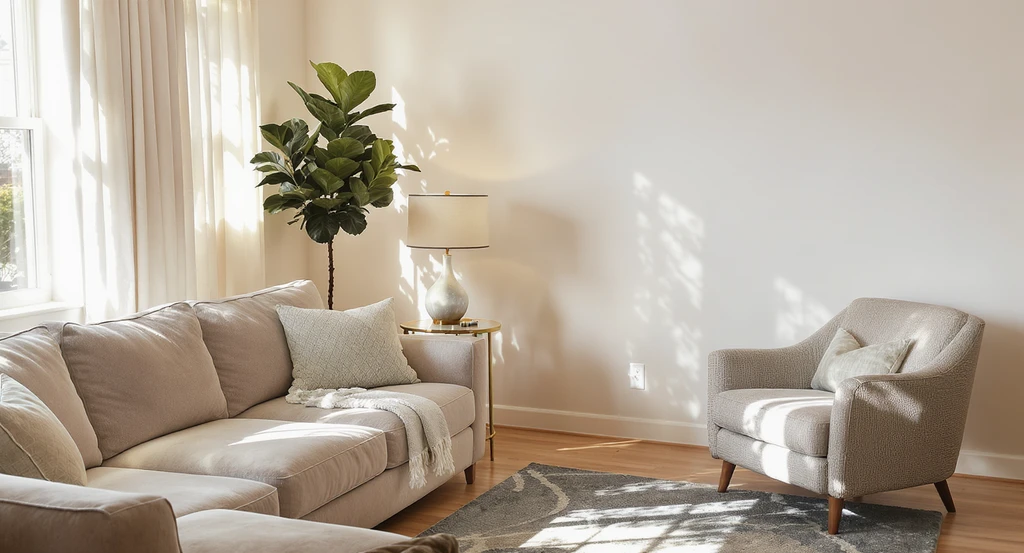
Staging awkward corners beside large furniture with a tall plant, lamp, and accent chair demonstrates ai-powered solutions for awkward home corners and practical uses of ai tools for staging forgotten spaces.
Big sofas or beds often leave odd triangular corners. When empty, these corners draw attention to imbalance or wasted space. A human designer understands proportion, lighting, and what will actually work in context, placing a tall plant, lamp, or accent chair to anchor the area without cluttering it. As we explored in 13 ways to transform an empty room, these little additions create cohesion that generic, AI-generated visuals can’t replicate.
-
5. Spaces Under the Stairs
Buyers always wonder, "What could I actually do with this?" Staging this area with a reading nook, pet zone, or storage shows purposeful intent. Human experts visualize different lifestyles and stages of life, ensuring whatever is added fits both the architecture and the likely buyer. This level of personalization is what makes buyers stop guessing and start imagining themselves using every inch.
-
6. Window Corners: Let Light Do the Work
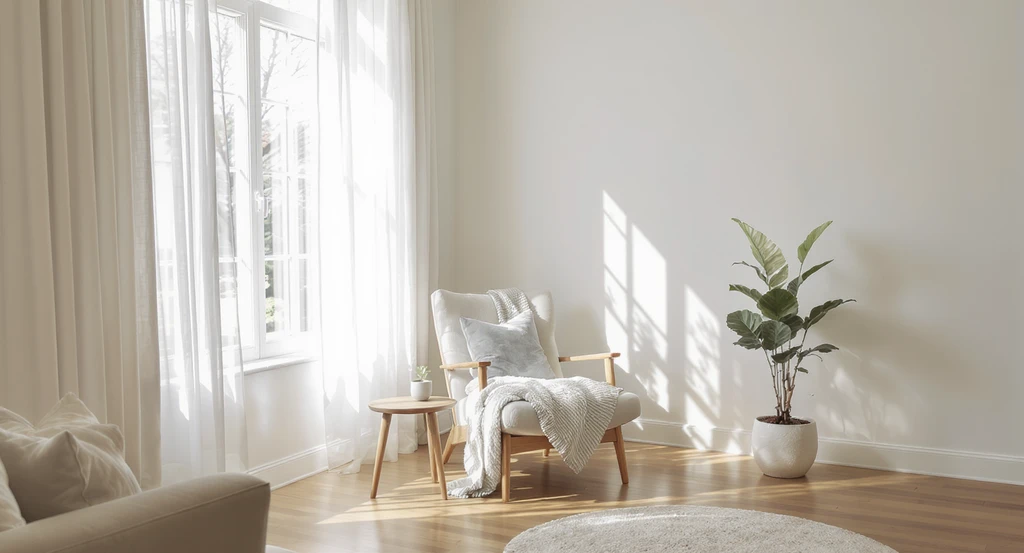
Expert AI-powered solutions for staging forgotten spaces like window corners create functional, light-filled nooks, improving listing photos and making transition areas stand out.
Window-adjacent corners are often left bare, missing their potential as cheerful, functional nooks. A professional stager recognizes the opportunity: placing a lounge chair, desk, or plant to maximize natural light. Proper selection ensures comfort, traffic flow, and scale, all details only a real eye will notice. Listings with such moments photograph better and draw buyers to linger longer on the image.
-
7. Kitchen Transition Areas and Utilities
Not every kitchen wall holds cabinetry. Transition spaces near pantries or breakfast nooks, if empty, can feel useless. Human editors know how to style these areas, perhaps as a coffee zone, baker’s rack, or open shelving, offering small but powerful cues about function and lifestyle. Even in laundry rooms, a professional touch makes a difference: clear counters, organized storage, and tidy surfaces are crucial according to our post on laundry room upgrades.
-
8. Bedroom and Bathroom Dead Space
Corners in bedrooms and unused bathroom areas often go unnoticed until buyers walk in. A chair, mirror, or floor lamp can transform a blank bedroom corner, while a towel ladder or storage basket adds function in the bath. Here’s where human insight trumps AI, designers know when to leave space open for comfort, and when to add pieces for balance. This creates a lived-in feel, giving buyers the comfort of real-world usability and proportions.
-
9. Outdoor Transition Spaces
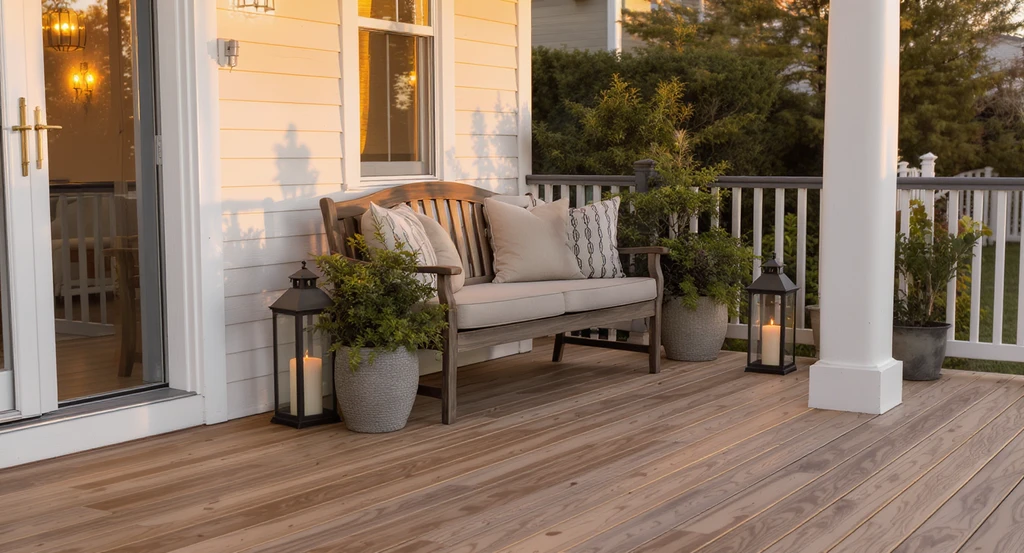
AI-powered solutions for awkward home corners help visualize entryway improvements and improve listing photos through curated transition area staging.
Transition areas outside, like porch corners or deck edges, are easy to overlook but make a noticeable difference in both physical tours and listing photos. As highlighted in our feature on outdoor staging mistakes, simple planters, lanterns, or a bench lend warmth and continuity, helping buyers picture life beyond the walls. Human stagers adapt these choices to a home’s style, climate, and likely use, a nuance that AI tools can’t always deliver.
-
10. Micro-Details: Hardware and Cleanliness
Buyers scrutinize more than you think. Worn cabinet pulls, dirty light switches, and scuffed baseboards subtly communicate neglect. Human editors catch these micro-details and recommend high-ROI fixes, polishing hardware, cleaning vents, and touching up paint. While AI can enhance photos, only a professional walk-through ensures that what buyers see (online or in person) matches their expectations for cleanliness and care. It’s this level of visual trust and buyer psychology that keeps clients returning to expert services for their listing needs.
Frequently Asked Questions
- Do buyers actually notice forgotten corners and transition spaces?
Yes. Even if they can’t articulate it, buyers feel when a space is unfinished or underused. These areas strongly impact first impressions. - Should every awkward spot have furniture?
No. The goal is purposeful styling, not crowding. Some spaces benefit from being left open—a human designer helps determine the right balance. - How do virtual staging tools help with these areas?
They let you test and visualize ways to use empty spots, especially when you don’t want to buy furniture. Human-guided staging is key for realism and visual flow. - Will staging these spaces impact my online listing photos?
Absolutely. Purposeful transition zones and corners make photos feel warmer, more complete, and encourage buyers to invest more attention. - How can I make my overlooked spaces feel more intentional?
Start by giving every visible area a function—add lighting, art, or a small piece of furniture. For the best results, consult an experienced designer or stager. - Why do clients return to Styldod for expert services?
Because of consistent, trustworthy visuals, honest human advice, and refined results that reduce revisions and give listings a move-in ready feel buyers trust.
The Complete Home Effect: Why Human Touch Matters Everywhere
A home isn’t judged by main rooms alone, buyers notice how each area flows and feels, right down to the smallest transition zone. When every space, even the forgotten ones, looks intentional, buyers sense that the home is cared for, easy to live in, and worth their attention. Expert human staging catches subtle cues, delivers proportional solutions, and adapts visuals to real-world expectations, creating trust, comfort, and a sense that the home is truly move-in ready.
If you’re ready to address your property’s overlooked spaces, remember: real expertise still makes the difference. AI-powered solutions for awkward home corners can help, but nothing replaces human judgment in making every part of your listing feel believable and complete.