TL;DR
Buyers don’t just notice how a home looks, they subconsciously test if they can see their life there. Human-centered, expert visuals help buyers trust, imagine, and even fall in love with a listing. Here’s what really makes a home feel inviting and why expert touch matters.
Why Do Some Listings Instantly Feel Like Home?
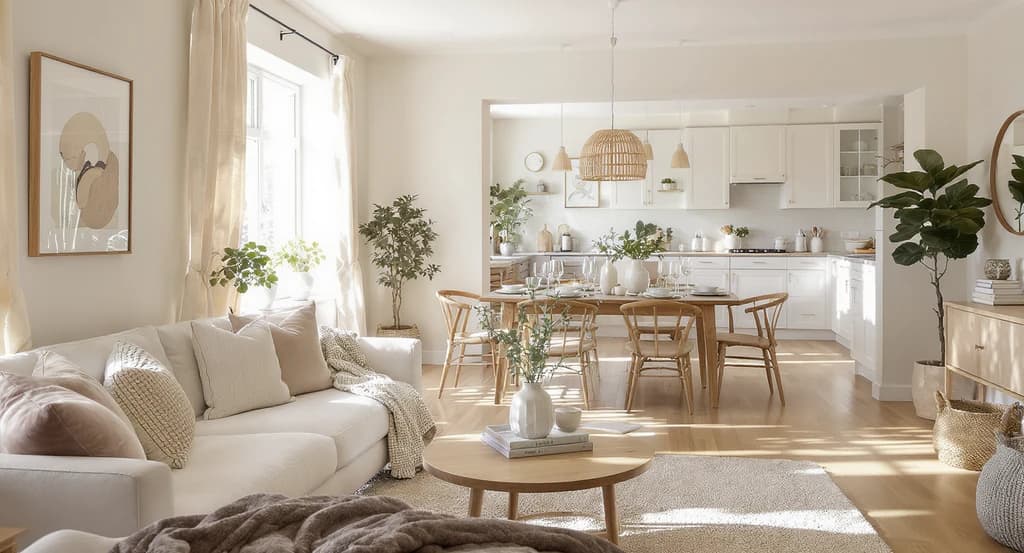
A welcoming living room highlights the psychology of home staging success—realistic details help buyers feel at home and increase listing confidence.
If you’ve ever wondered why certain real estate photos spark instant interest, while others look fine but leave buyers unsure, you’re not alone. Many sellers are frustrated when listings look attractive but still fail to connect with buyers. The answer is simple: People don’t just look at properties, they imagine living there. Homes that "feel like home" aren’t just well-staged; they speak to what buyers actually test in their minds. Most buyers are not deciding whether they like a home. Real designers and visualization experts understand the subtle cues that move someone from curiosity to confidence. It’s about more than decoration, it’s about answering the invisible questions buyers bring to every room.
-
1. The Purpose Test: Why Clarity Sells
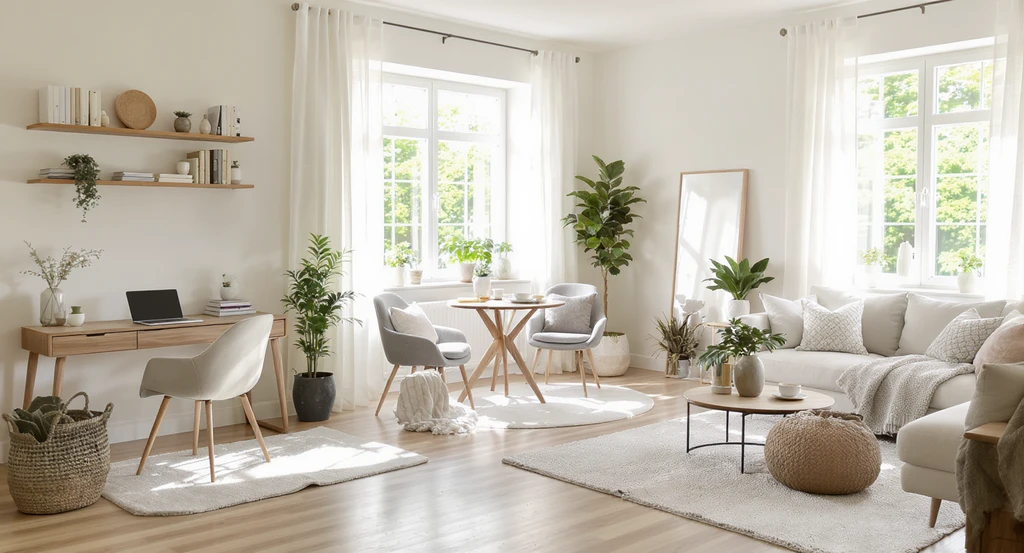
By showcasing clearly defined zones like a home office and dining nook, staging transforms uncertainty into confidence—revealing why buyers feel at home in listings. Discover how clarity drives the psychology of home staging success and addresses common reasons real estate listings fail.
Buyers rarely ask, “Do I like this space?” More often, they wonder, “What would I actually do here?” Clear staging transforms uncertainty into clarity. Thoughtful furniture and defined spaces such as a true home office or well-presented dining nook help buyers imagine real routines. As we explored in our guide on closing the visualization gap, unclear spaces can leave buyers confused, leading to longer time on market. Human stagers are adept at matching the space’s best purpose to common buyer aspirations making it easier for a buyer to feel at home.
Expert Insight
A recent client had a home that kept getting overlooked online. After a full expert staging (not just one staged photo), every room showed a clear purpose and daily flow. Interested buyers commented, “It just feels like home,” and the property sold above asking, showing that clarity and emotional comfort matter more than extra features.
-
2. The Scale Test: Making Spaces Feel Usable
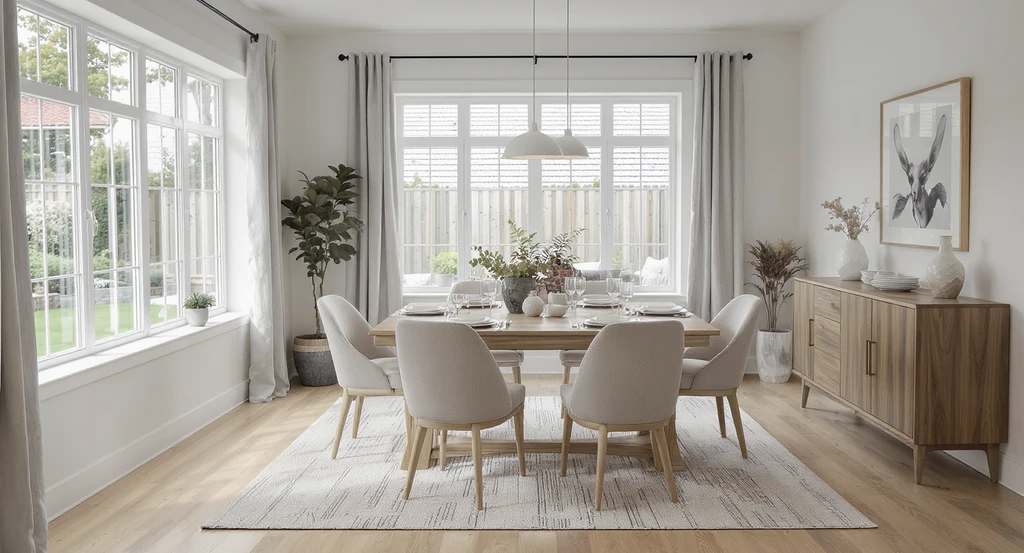
Proper furniture placement and true-to-life room staging address the psychology of home staging success, showing why buyers feel at home in listings and increasing confidence that family moments fit comfortably in real estate spaces.
Open rooms can look big or small depending on how they’re staged. People often forget room sizes, but they remember whether a dining area could truly fit a family dinner. Human designers choose furniture that illustrates scale and functionality, omething automated tools often miss. This builds confidence that life, furniture, and family moments will all fit turning measurement anxiety into comfort.
-
3. The Future Stress Test: Reducing Buyer Worries
People quietly test whether a home will create extra work for them. Buyers wonder: "Is there enough storage? Where do holiday items or pet gear go?" Good staging shows easy storage solutions and realistic layouts. As noted in our breakdown of visualization gaps in empty homes, properties that don’t demonstrate livability spark worry and may even lose serious buyers.
-
4. The Routine Test: Can Buyers Visualize Daily Life?
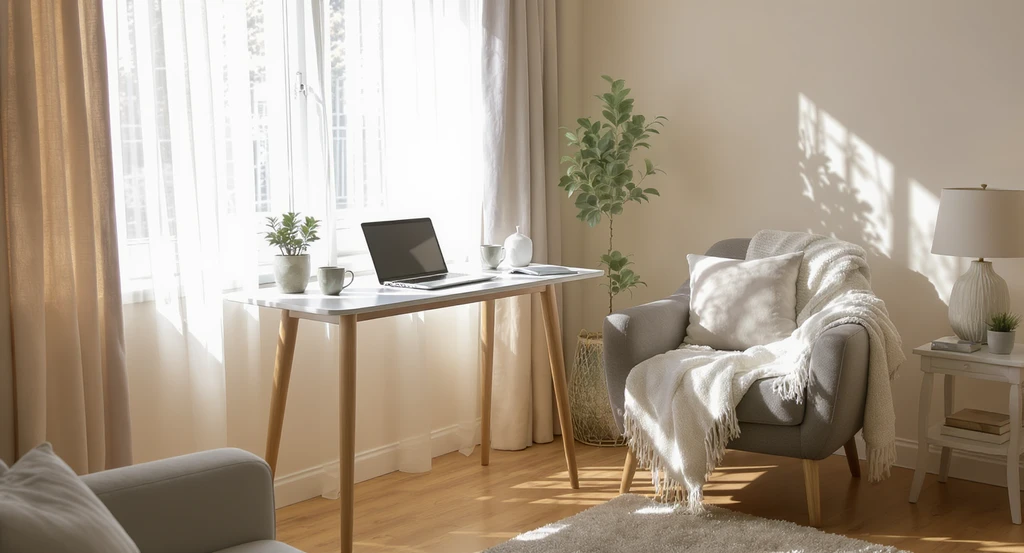
Thoughtful home staging helps buyers feel at home in listings by presenting daily life setups, like a laptop by the window or a cozy reading corner—essential psychology of home staging success and one of the best staging tips to increase buyer confidence.
Beyond looks, buyers need to imagine morning coffee, working from home, evenings with family. Staging that places a laptop near a window or a cozy chair by a reading lamp helps answer: “Can I picture my daily routine here?” Human-driven visuals unlike generic AI renderings are sensitive to these subtle cues, encouraging buyers to mentally move in.
-
5. The Visibility Test: Lighting for Confidence
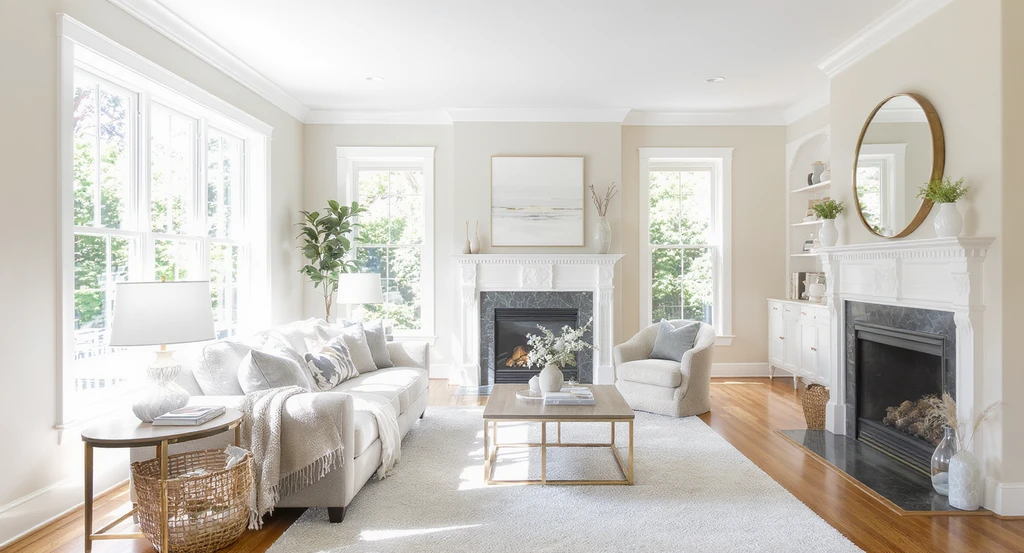
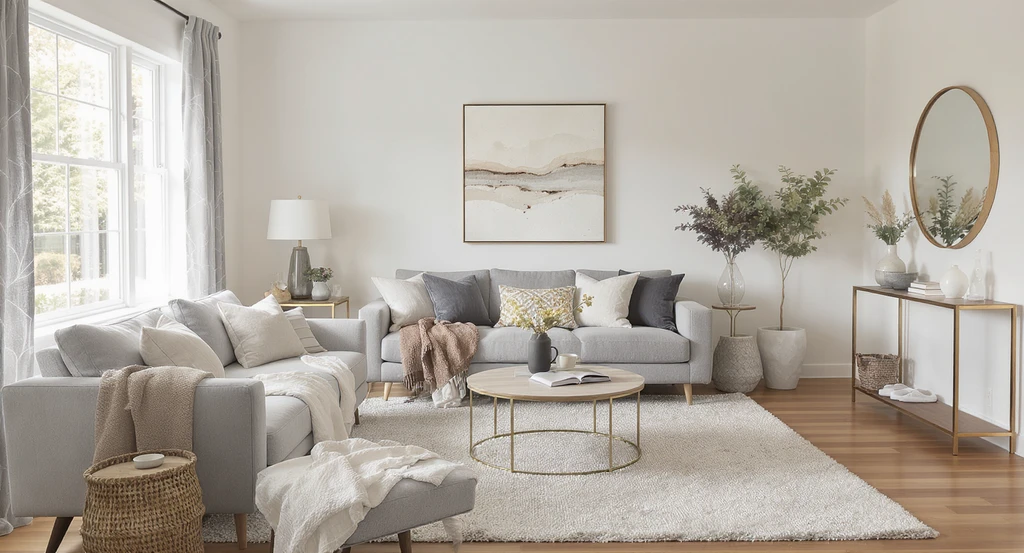
Thoughtfully balanced lighting in real estate listing photos helps buyers feel at home and trust what they see—key for successful home staging.
Dim, shadowy photos leave buyers hesitant. Bright, evenly lit visuals help buyers trust what they’re seeing. Human editors balance lighting and highlight key features, improving both perceived space and buyer confidence. Polished but unrealistic renders can breed distrust, as we showed in our analysis of multi-view staging and visual trust.
-
6. The Friction Test: Flow Matters
Blocked paths or awkward furniture placement can make a pretty home feel uncomfortable. Good staging allows easy movement and flow, subtle signals that daily life here will feel smooth. Human designers catch these details, ensuring each room feels open and usable. High-performing listings rarely leave buyers feeling squeezed or stuck.
-
7. The Ownership Readiness Test: Can Buyers Envision Themselves Owning?
Beyond affordability, buyers want to know if a home fits their lifestyle now and for years to come. Thoughtful editing and arrangement answer the question, "Am I—and my family—ready for this space?" This practical confidence only comes from designs that consider buyer psychology, not just room size.
-
8. The Identity Test: Room for Their Story
Homes sell best when buyers can see their own story unfolding. Overly personal décor blocks that vision; empty rooms make it hard to imagine a future. Balanced, light-touch staging lets buyers fill in the blanks with their own life, another area where real designers outperform automation. As discussed in our article on the limits of single-photo staging, providing the right cues throughout the space is key.
-
9. The Trust Test: Believability Above All
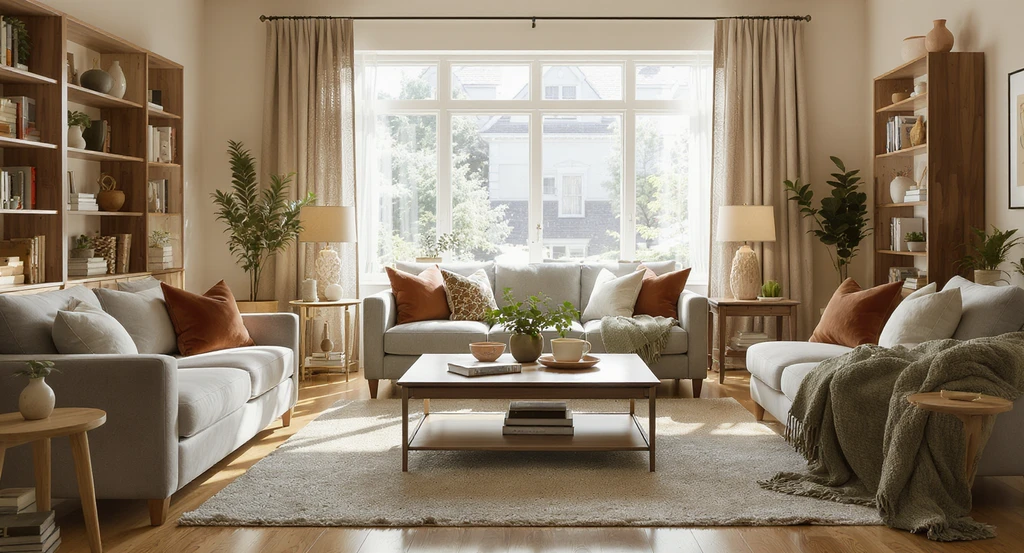
Believable, realistic home staging builds buyer confidence, addressing common reasons real estate listings fail and helping buyers say, “This Feels Like Home.”
Unrealistic visuals like floating furniture or rooms that feel more like showrooms than homes, turn buyers off. Human review and editing fix small errors and ensure every angle feels trustworthy, as emphasized in our blog on staging trust issues. Consistent, believable visuals make buyers feel safer making a decision.
-
10. The Future Fit Test: Flexible Spaces for Changing Lives
Buyers look ahead, they mentally test if a home will work as their lives change. A playroom today might become an office later. Expert designers anticipate this, showing spaces that can flex as needs evolve. This foresight invites buyers to see the home as a long-term fit, raising both emotional connection and listing value.
Visualization Scenario
Imagine scrolling through two listings. One is filled with ambiguous rooms and odd angles. The other uses careful lighting, realistic staging, and practical details to show how life works there. You instantly know which one feels more believable and inviting because expert human input always makes a difference.
FAQ: Helping Buyers Feel at Home in Every Listing
A1: Human-centered staging and editing make spaces easier for buyers to imagine daily living—something generic visuals often overlook.
Q2: Do buyers really notice small staging details?
A2: Yes. Even subtle cues like proper lighting or practical layouts build subconscious trust and help buyers picture their lives in the home.
Q3: How do expert visuals improve listing performance?
A3: Professional staging addresses buyer psychology, answers common concerns, and presents the property as usable and trustworthy, all of which support better engagement.
Q4: Can automated staging tools produce the same results?
A4: Automation can help, but only human insight can interpret context, fix subtle errors, and design for real-world use—key reasons clients return for human expertise.
Q5: What is the main reason clients come back to Styldod Expert Services?
A5: Clients value the consistent realism, attention to detail, and trustworthy results that only expert human designers and editors deliver.
Moving Buyers from Curiosity to Confidence
Most buyers do not pick the home with the most features. They pick the one that feels easiest to imagine as their future. Every invisible test a buyer runs is really a search for emotional comfort, trust, and understanding. Successful listings answer these tests before buyers even realize they’re asking them, that’s the heart of the psychology of home staging success. Professional, human-driven staging and visualization bring clarity, believability, and emotional comfort to your listing. It’s not just about beauty, it’s about revealing how life could work in that space. Clients come back to Styldod because they see the difference: thoughtful execution, fewer revisions, and visuals buyers trust.


