
TL;DR
The best outdoor spaces blend smart AI planning with expert design judgment. Human designers ensure your patio or garden furniture fits your space, style, and real-world needs, creating areas buyers and homeowners instantly trust and enjoy. Discover the specific decisions only experienced eyes and hands get right.
Why Picking Outdoor Furniture Still Needs Human Expertise
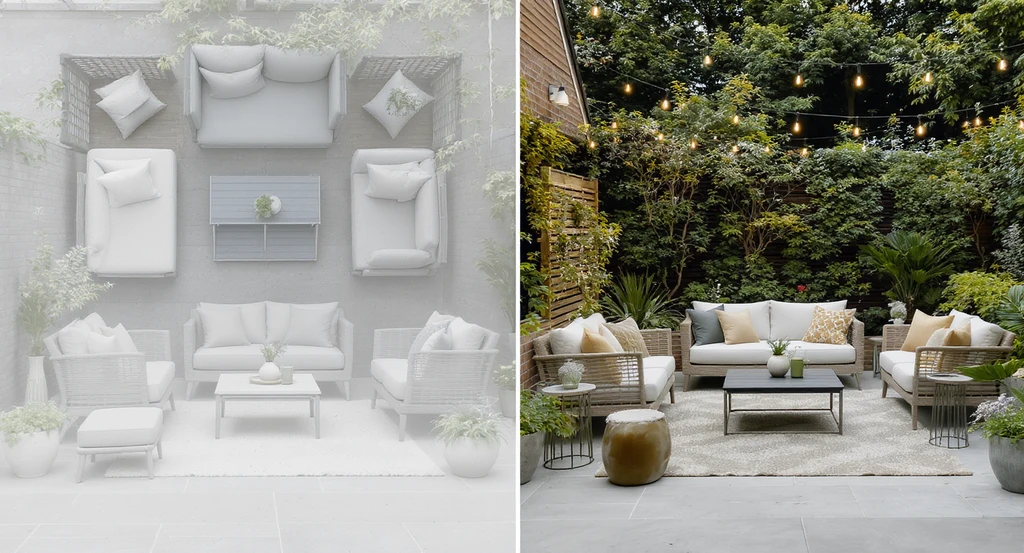
When using an ai-powered garden furniture planner tool to design outdoor spaces, real-world details matter. Visualizing patio layouts using ai software highlights options, but only expert insights bring truly lifelike comfort and appeal beyond what the best ai home design tools for gardens can achieve.
If you’ve tried planning your patio, garden, or balcony with an ai-powered garden furniture planner tool, you might've noticed that even perfect 3D mockups sometimes feel a little off, or not as inviting as showstopper spaces you see in listings and magazines. The reason usually comes down to details only human expertise can deliver: balance, practicality, and visual trust that makes a space feel truly welcoming.
The simple answer is this: AI helps you visualize options fast, but expert designers know how to make those options feel right in real life. They understand buyer psychology, spatial flow, and the subtle cues that help both homeowners and buyers imagine themselves truly living in an outdoor space.
Whether furnishing your own yard or prepping a listing, here’s where human designers, editors, and visualization experts still make all the difference for comfortable, stylish, and believable outdoor living.-
1. Realism: Proportion and Practicality Over Pixels
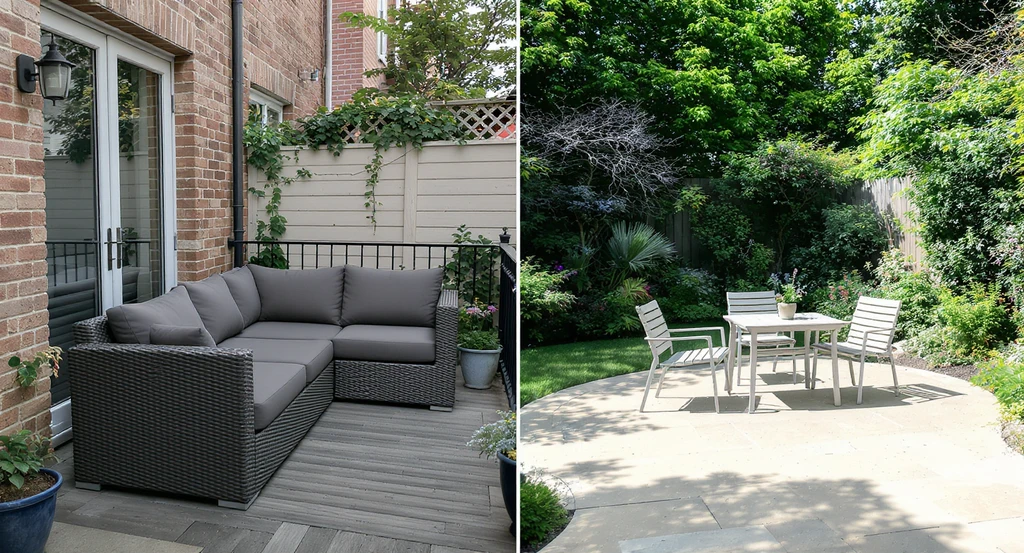
Visualize how ai-powered garden furniture planner tools can misjudge proportion—an oversized sofa overwhelms a balcony, while undersized chairs vanish in a large patio. See how to design outdoor spaces with ai while ensuring realistic scale for comfort and style.
Automated planner tools are powerful at placing tables and chairs, but only human experts go beyond the measurements. Designers see where furniture would realistically block movement, be uncomfortable, or look awkward. Large sofas on a small balcony, or tiny chairs lost in a big backyard, can quickly undermine both comfort and buyer trust. Professional review ensures furniture scales to your actual space and lifestyle needs.
As emphasized in our expert guide on small garden design secrets, getting proportions right is essential for usability and appeal.
-
2. Flow Matters: Navigating Spaces With Real People in Mind
AI can optimize patio layouts, but it rarely accounts for human behavior, the way people gather, move, and interact outdoors. Expert designers think through entry points, sight lines, and how guests actually use the space. This prevents cluttered walkways, awkward traffic patterns, and spaces that feel cramped during events or showings. Well-planned outdoor zones help buyers visualize entertaining or relaxing without friction.
-
3. Comfort That’s Truly Inviting, Not Just Photogenic
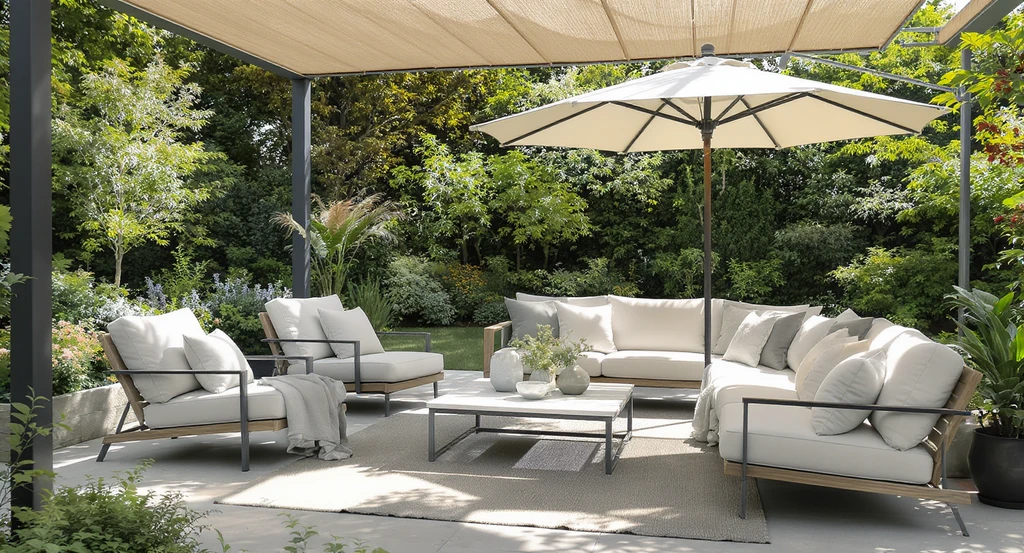
Experience comfort-first garden furniture chosen using how to design outdoor spaces with ai and ai-powered garden furniture planner tool to create inviting, relaxing outdoor areas.
Even the most stunning render can’t replicate how it feels to rest on a deep-cushioned lounge, feel a gentle breeze in the shade, or share a meal at the perfect garden table. Designers choose weather-resistant, high-comfort pieces that invite people to relax, adding plush textures and ergonomic shapes. These touchpoints create the emotional connection that makes a space truly memorable. (Learn more about how satisfying outdoor living impacts selling in our post on styling mistakes that hurt listing photos.)
-
4. Visual Trust: Editing Out the Non-Believable
AI-generated patio layouts can sometimes float furniture on grass or ignore how sun, rain, and wear affect real-life placement. Human designers edit out these little visual "lies." They ensure furniture appears grounded, shade solutions are plausible, and details like outdoor rugs, planters, and pathways look practical (not just pretty). This realistic touch builds trust and reduces the nagging doubt that can drag down buyer confidence.
-
5. Responding to the Landscape, Unique Context, Not Templates
Every yard, deck, or balcony is different. Experienced designers take cues from your actual sun and shade patterns, privacy needs, views, and what works in your region's climate. They avoid the cookie-cutter look of AI templates, tailoring recommendations for enduring comfort and curb appeal. As explored in our blog on how landscaping increases home value, these context-based choices maximize both function and resale value.
-
6. Avoiding Outdoor Decor Mistakes (That Hurt First Impressions)
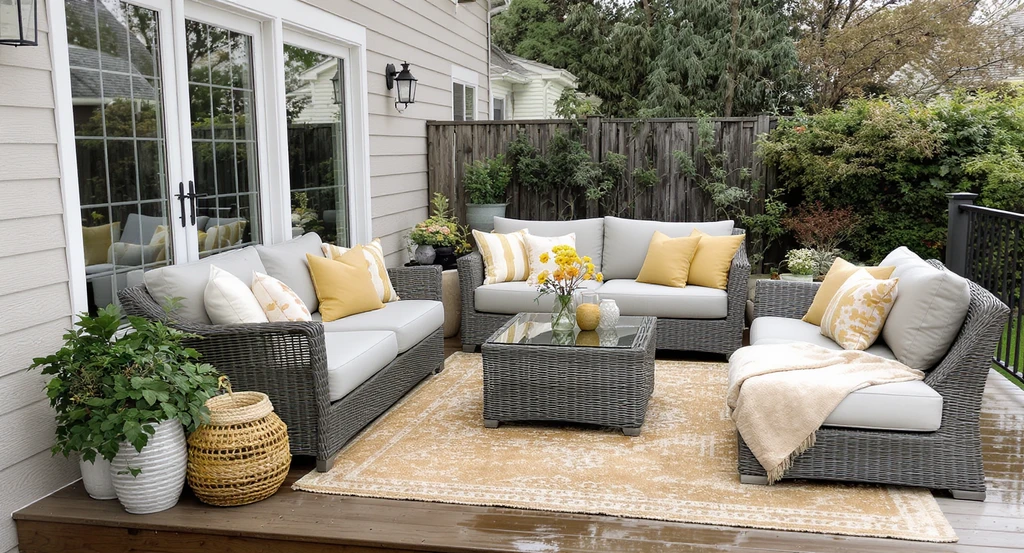
Overcrowded, mismatched garden furniture reveals how ai-powered garden furniture planner tool choices can lead to outdoor decor mistakes when designing with ai. Human expertise helps avoid these pitfalls for functional, appealing outdoor spaces.
Some outdoor decor choices just don’t work, especially when selected based on catalog looks alone. Overcrowding, poor color coordination, impractical materials, and ignoring local weather can all reduce both enjoyment and listing performance. Human experts spot and correct these issues before you commit, leading to logical, buyer-friendly spaces. To see which mistakes to steer clear of, check our full list of outdoor decorator pitfalls.
-
7. The Power of Visualizing With Expert Help (Not Just AI)
AI-powered tools for garden design, like visualizing patio layouts using AI software or trying the best AI home design tools for gardens, are fantastic for rapid experimentation. But the best results come when these tools are guided by human eyes who know how buyers and homeowners really think. Clients come back to expert services again and again for the added realism, subtle corrections, and confidence to invest in their outdoor upgrades. According to our discussion of exterior renovations that improve home value, it’s this polished, human touch that often seals the deal for buyers.
Garden Furniture & Outdoor Design FAQ
- What’s the biggest visual mistake people make with garden furniture?
- Choosing pieces that don’t match the space’s scale or block walkways—this quickly makes any patio or yard feel uncomfortable and reduces usability.
- Can AI-powered design tools replace human garden designers?
- AI tools help you plan and visualize, but experienced designers add judgment, practical know-how, and an eye for mistakes automation misses.
- How does expert input improve outdoor staging for real estate?
- Professionals make patios and gardens appear believable, balanced, and optimized for buyer trust—boosting listing engagement.
- What furniture works best for small outdoor spaces?
- Designers use compact, multi-purpose pieces and creative layout tricks to maximize comfort and flow in tight spots. See our expert small garden tips.
- Does realistic staging really influence buyer confidence?
- Yes. Believable, well-edited visuals help buyers imagine living in the space, increasing both interest and offers.
- Why do clients keep returning to expert furniture planning services?
- For consistent realism, fewer revisions, and trustworthy, refined results that generic AI or DIY solutions don’t deliver.
The Takeaway: Why Human Design Makes Outdoor Spaces Shine
No matter how advanced your ai-powered garden furniture planner tool becomes, there’s a gap only human designers and editors can bridge: making outdoor spaces feel trustworthy, usable, and welcoming in the real world. The best garden setups aren't just beautiful, they’re naturally comfortable, practical, and full of details buyers subconsciously rely on.
Combining AI’s speed with hands-on design experience gives you layouts and furniture choices that look great but also work for true living and lasting appeal.
Ready to see how expert visualization can elevate your outdoor space, before you commit to new furniture or renovations?