TL;DR
Designing a compact outdoor space isn’t just about squeezing in more plants or features. True transformation comes from blending clever technology, like AI visualization tools, with the subtle judgment and real-world know-how of human designers. From vertical planting to multi-functional furniture and focal points that shape perception, human expertise makes all the difference in creating believable, uplifting small gardens.
Why Small Garden Design Needs More Than AI
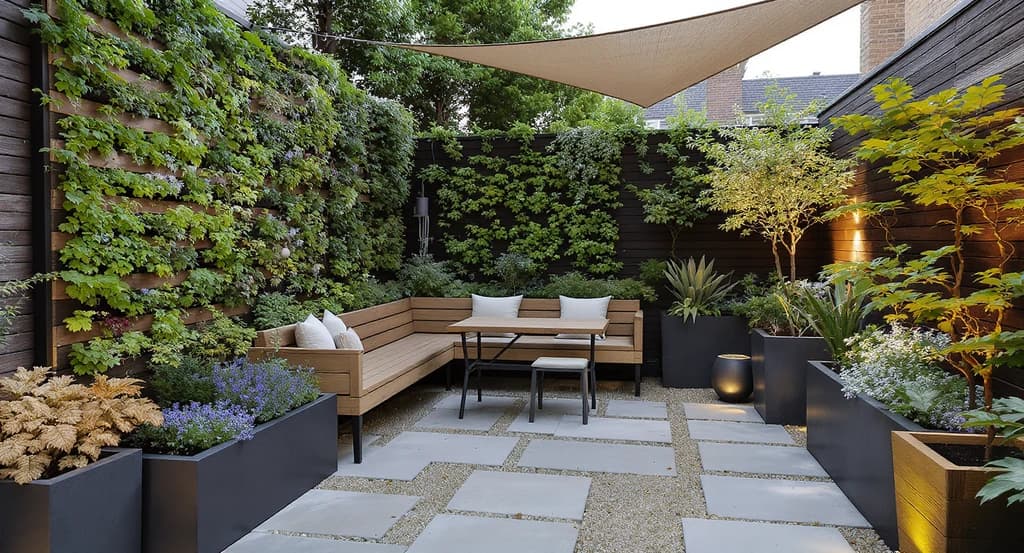
Expert ai garden design ideas for small spaces combine vertical garden layouts, compact furniture, and professional tools to maximize modern outdoor spaces.
If you’ve ever used an AI tool to plan a small garden, you’ve probably noticed it sometimes looks tidy, but something still feels a little off. Maybe the space looks generic, or the layout doesn’t invite you to linger. That subtle difference comes down to human judgment: understanding how we actually use spaces, what draws our eye, and what makes a small garden feel like an extension of your home. In a world full of quick AI-generated plans and visuals, there’s a reason people keep returning to professional designers and curated visuals.
The simple answer: expert human input turns ideas into inviting, realistic spaces, especially when every inch matters. Human designers understand proportion, layering, and how we move through compact gardens. They also know how to use AI for vertical garden layouts, suggest compact furniture, and maximize small gardens with AI, but always refine suggestions for real-world comfort and credibility. Results feel unique, grounded, and trustworthy.
Smart garden design is about more than filling walls with potted plants or adding a trendy piece of furniture. It’s about the way everything connects, so your small outdoor retreat feels both personal and practical. Here are nine secrets expert designers (and thoughtfully used AI) get right.
-
1. Using Vertical Space Intelligently
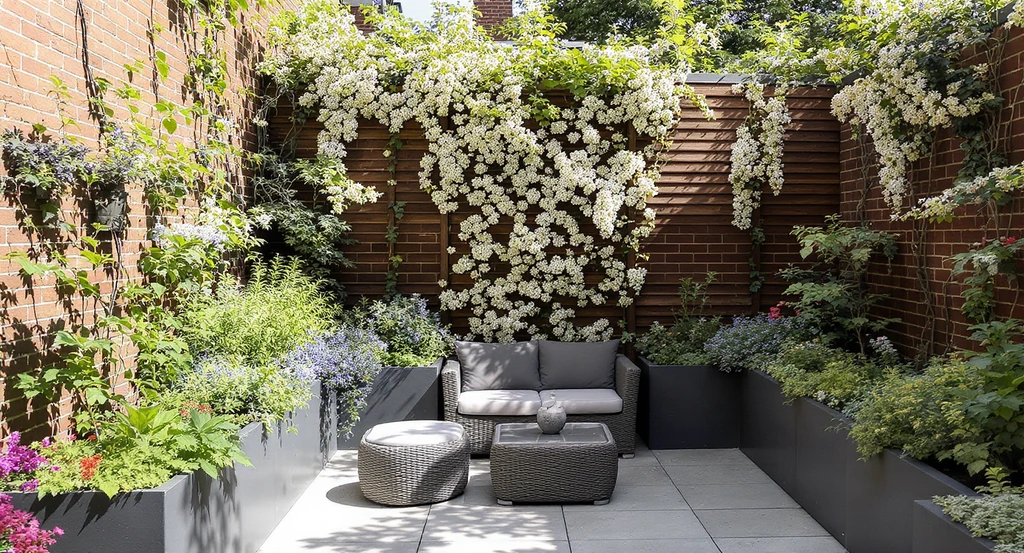
Expert use of a vertical jasmine trellis and modular planters illustrates ai garden design ideas for small spaces, using ai for vertical garden layouts, and how to maximize small gardens with ai tools for outdoor space visualization.
The quickest way to expand a small garden is to look up. But simply loading a wall with plants (as AI might suggest) can make things feel forced or busy. Human experts assess your light, sightlines, and routine to guide what goes up. A vertical jasmine trellis or modular wall planter draws the eye upward, creating interest without sacrificing useful ground space. Well-placed climbing plants soften hard boundaries and encourage immersion, techniques that AI tools can support, but people still refine, as explained in our guide on expert tiny home design.
-
2. Layering with Purpose (Not Clutter)
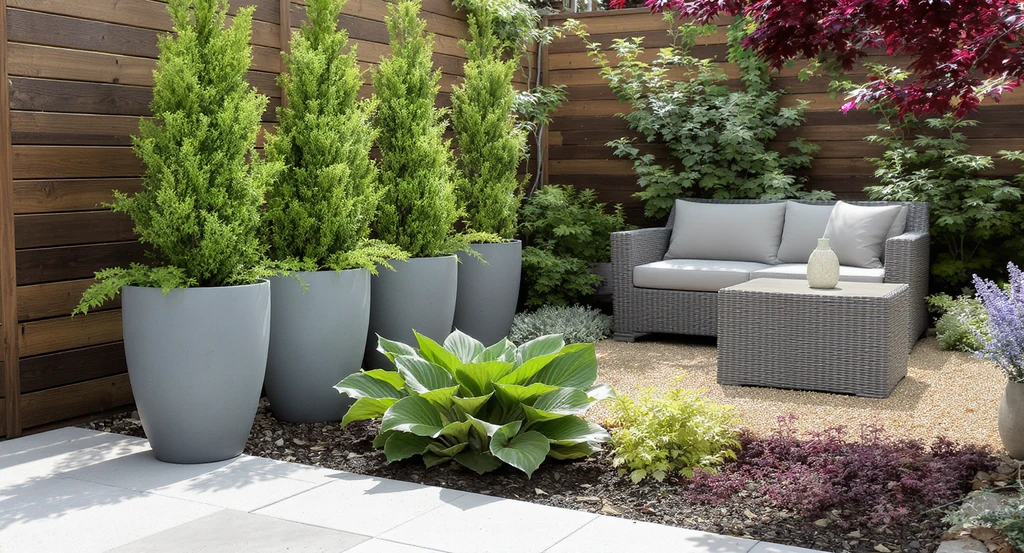
Expert ai garden design ideas for small spaces, showcased by purposeful plant layering: tall pots frame a cozy seating area, while broad-leaved hostas define garden transitions—demonstrating how to maximize small gardens with ai tools and thoughtful human editing.
While AI suggestions for compact garden furniture or plant groupings can save time, they don’t always balance scale and comfort. Human designers use odd-numbered arrangements, mix foliage textures, and vary heights so the space feels balanced and not cluttered. A row of tall, tapered pots near a wall frames the seating zone, while a trio of broad-leaved hostas by the entry gently marks transitions. This kind of deliberate editing, where less truly is more, is why human enhancement matters in small landscaping, as supported by our deep dive on creating bigger-feeling small spaces.
-
3. Creating Focal Points for Depth
Small gardens can feel flat if every corner competes for attention. Instead, experts choose one standout feature: a sculptural planter, a compact water fountain, or a dwarf tree in a key spot. This anchors the design and gives visitors’ eyes a place to rest. AI might propose too many visual accents, but expert judgment keeps the look unified, mirroring the way professional homes use a singular focal point for maximum impact.
-
4. Smart Containers and Clever Groupings
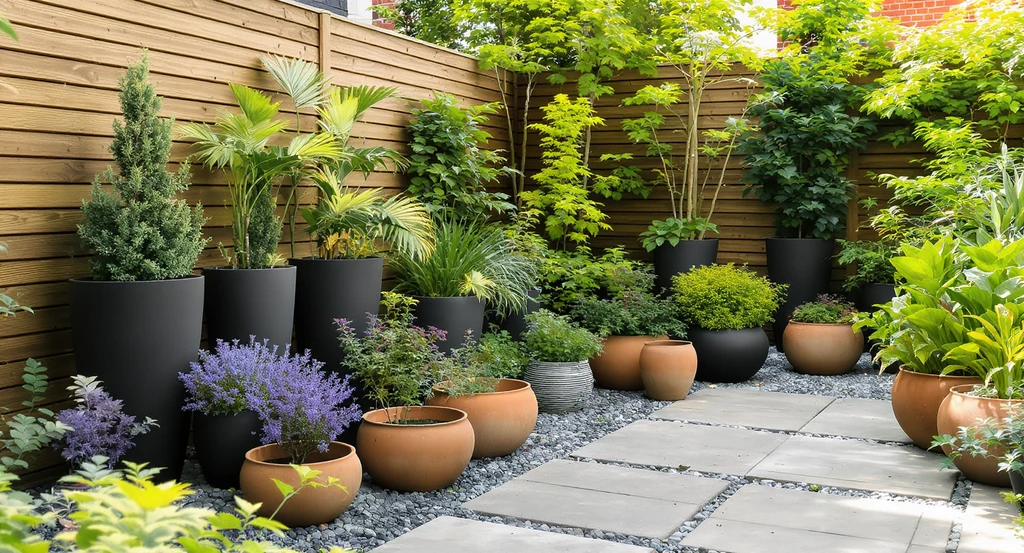
Expert container groupings in compact gardens demonstrate how using AI for vertical garden layouts and ai tools for outdoor space visualization can maximize both sightlines and space.
A patchwork of mismatched pots can quickly shrink a space. Designers group containers by material or color palette (something AI might suggest), but also by how pot shapes guide the movement and sightlines. Tall, slender containers against a fence invite you in, while grouped low bowls soften transitions. Combining AI’s rapid prototyping with a human’s eye for subtlety leads to layouts that feel intentional and spacious.
-
5. Multi-Functional, Flexible Furniture
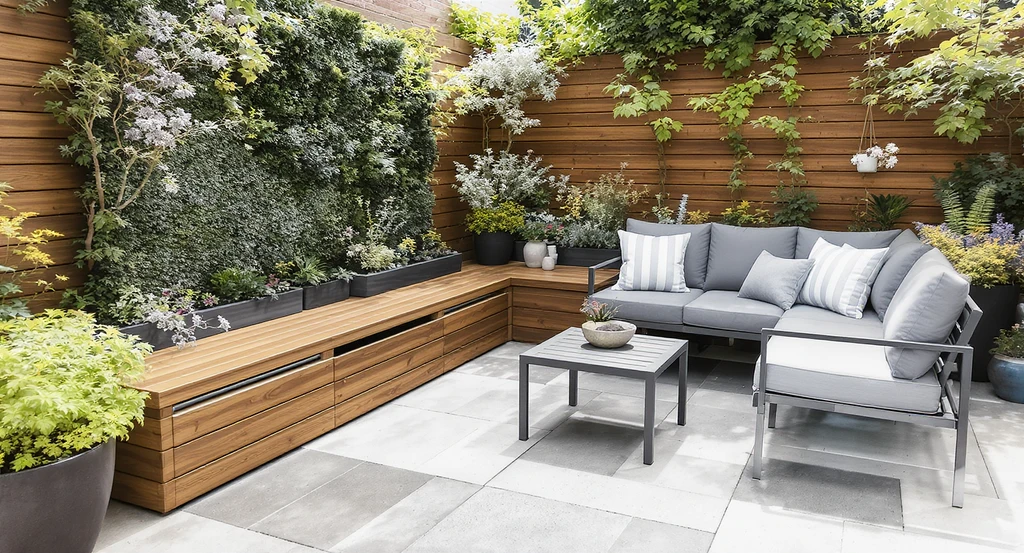
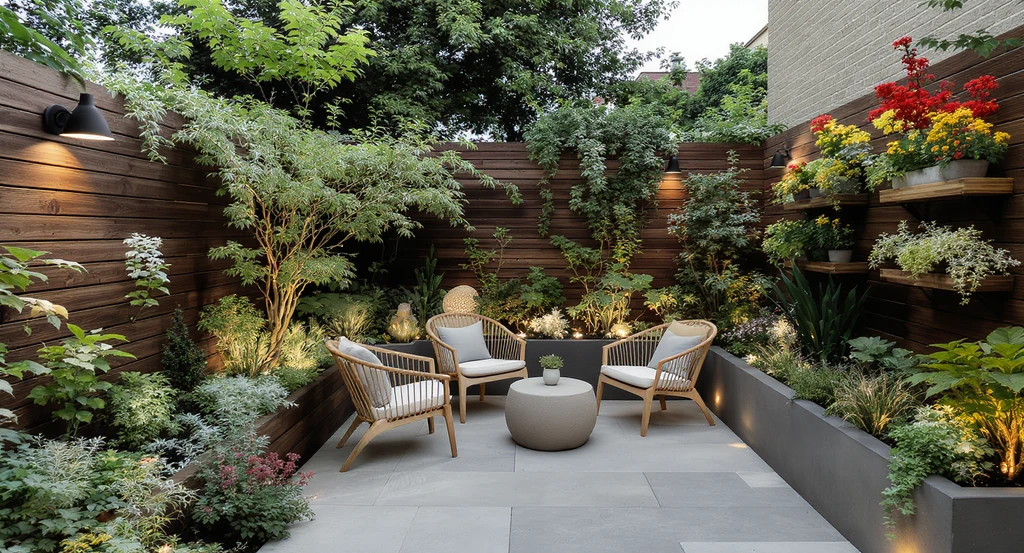
Multi-functional, flexible outdoor furniture makes small garden spaces adaptable, reflecting top ai garden design ideas and expert strategies on how to maximize small gardens with ai-driven visualization and compact solutions.
Every piece in a small garden has to work hard. AI can help you visualize nesting tables or fold-away seating, but knowing how people actually use outdoor spaces, whether for quiet reading or alfresco meals, lets human designers recommend built-in benches with storage, folding bistro sets, or stackable tables for flexible hosting. The payoff is a garden that adapts to your needs year-round. According to our staging guide for apartments, furniture with multiple uses is a proven way to maximize livability in tight quarters.
-
6. Mirror Magic and Nighttime Lighting
Expanding a garden isn’t just about daytime features. Weather-resistant mirrors reflect greenery and light, tricking the eye into seeing more space. Experts know where to place mirrors for the best illusion, and how to use layered lighting, like path markers and string lights, to make a little courtyard feel magical after dark. AI visualization tools might place these elements, but humans judge how they work with your privacy, views, and mood.
-
7. Unified Themes (Less Is More)
Theming a garden around one or two visual ideas, like a Mediterranean courtyard or city oasis, helps avoid the chaos that can come from over-eclectic AI recommendations. Experts edit with discipline, repeating colors or materials for flow. This calm, trustworthy look can be the difference between a space that soothes and one that irritates, especially in small outdoor rooms.
-
8. Realism in Use and Maintenance
AI visualization can quickly propose lush gardens, but it often misses daily realities like maintenance, sun exposure, or how kids and pets move through the space. Human expertise ensures planters are reachable, selections suit your local climate, and nothing is too high-maintenance. As we highlighted in our expert resource on landscaping and home value, believable designs yield long-term satisfaction and better ROI.
-
9. Human Judgment Means Trustworthy Details
Some small details might go unnoticed at first glance, but they change how a garden feels: thoughtfully placed stepping stones, enough room to tuck away a hose, or which way a gate swings. Seasoned designers spot these and adjust layouts so everything feels inviting, safe, and seamless—something automation alone tends to overlook. These trusted touches are why clients return to expert services for consistent, realistic results.
Frequently Asked Questions
Yes, AI can help you visualize layouts and suggest plant or furniture arrangements, but a designer’s input is crucial for comfort and realism.
Q: What small garden layout mistakes should I avoid?
Avoid cluttering with too many elements, over-theming, or forgetting focal points. Human editors prevent these common issues.
Q: Why does realistic virtual staging matter in small outdoor areas?
It increases buyer confidence and makes the space easier to imagine living in or entertaining. Human staging ensures it feels inviting.
Q: How do I select furniture for a compact garden?
Look for multi-functional, foldable pieces validated by designers—AI ideas help, but experts judge comfort, flow, and real use.
Q: How can expert services increase my property’s value?
Professional design, especially outside, has been shown to boost value significantly, as discussed in our landscaping value guide.
What Sets Apart a Truly Livable Small Garden
AI suggestions can speed up garden planning and help visualize outdoor layouts, as we’ve seen with tools for vertical gardens and compact furniture. However, it’s experienced human designers who create believable, comforting spaces that people love and trust. The combination of AI tools and thoughtful human judgment is what makes a small garden genuinely thrive. If you want results that look great in photos and feel right in real life, expert input still matters most.