TL;DR
Most rooms feel "off" not due to expensive errors, but because of overlooked design details: poor lighting, scale, overcrowding, and lack of flow. With thoughtful planning and expert judgment, you can fix the most common interior fails and create inviting, functional spaces.
Good Rooms Can Still Feel Wrong, Here's Why
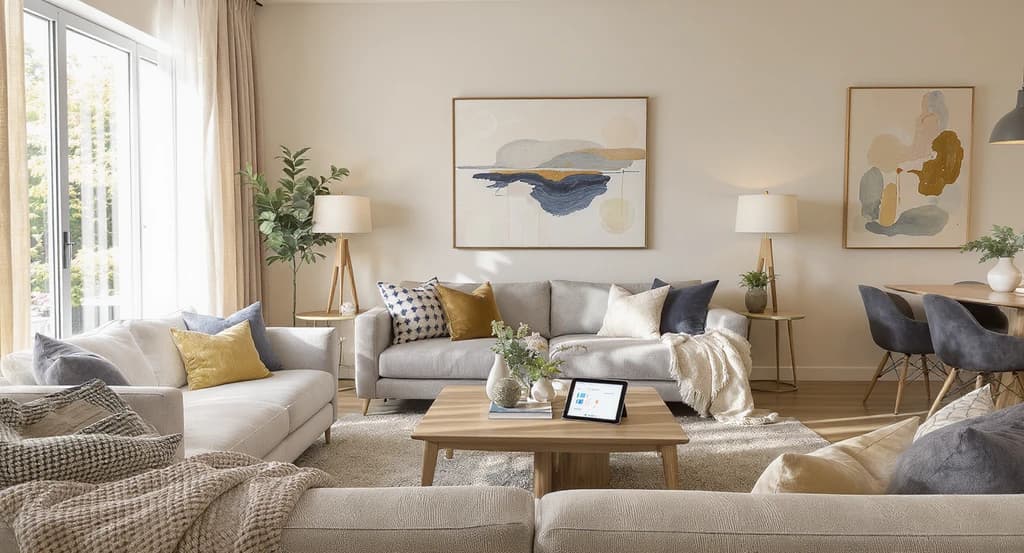
A modern living room reveals common decorating mistakes—overcrowding, poor lighting, and mismatched palettes—solved with ai tools for fixing interior design mistakes. This highlights how ai room design tips and ai interior design tools improve comfort, layout, and lighting.
Have you ever walked into a home that looks stylish but just doesn't feel quite right? Maybe the layout is awkward, or the lighting feels harsh, or there's something subtly off about the mood. This is more common than most people realize, and it’s often caused by small, overlooked interior design mistakes. Even with digital tools and AI room design becoming more available, these little errors can lead to rooms feeling uninviting, cluttered, or disconnected.
So, what’s the answer? The truth is: most design mistakes aren’t about taste or budget. Instead, they're about missing the balance, comfort, and emotional cues that make a home truly welcoming. Thoughtful human expertise, understanding scale, flow, color, lighting, and how people actually live, still makes all the difference.
AI-powered design tools can identify layout issues or generate inspiration quickly, but creating a space that feels balanced, comfortable, and emotionally believable still depends heavily on professional design judgment and real-world experience. Here are 10 of the most common design fails, and how expert input turns them into lasting wins.
-
1. Overcrowding the Room
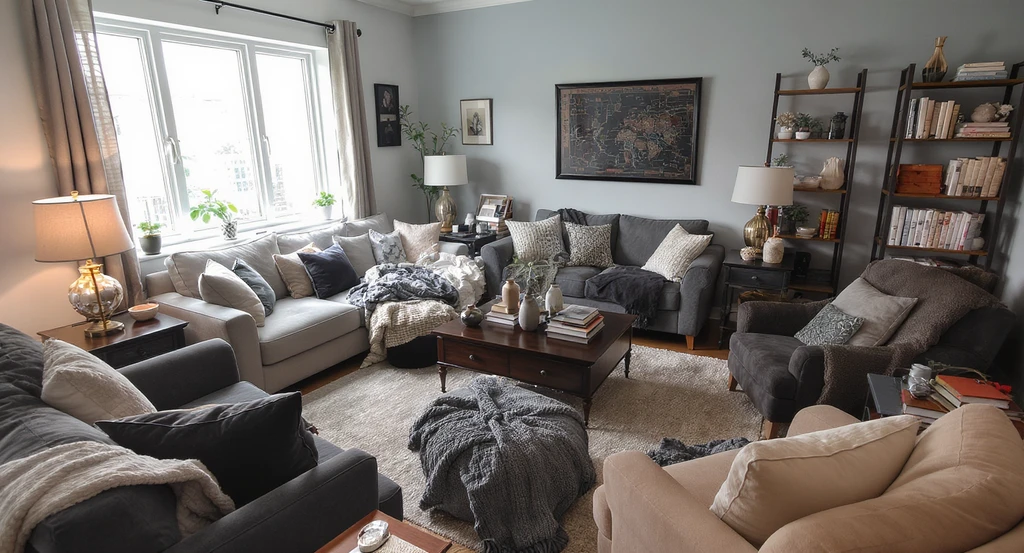
Overcrowding a living space with too much furniture is a common home decorating mistake solved by ai tools for fixing interior design mistakes. This image shows how ai interior design tips for better lighting and room layouts can help prevent clutter and support comfort.
Packing too much furniture into a space is one of the easiest ways to make a room feel stressful and hard to use. No amount of decor can compensate for crowded layouts. While AI tools for fixing interior design mistakes can highlight space problems, only a human designer can judge which pieces really support comfort and movement.
Why it matters: Overcrowding blocks natural flow, makes small rooms feel even tighter, and quickly overwhelms buyers when previewing listings. As we explored in our small living room layout guide, intentional spacing creates calm and leaves room to breathe.
The takeaway? Edit ruthlessly. Professional stagers know when to subtract, not just add. This encourages buyers or guests to imagine themselves moving freely through the space.
-
2. Ignoring Scale and Proportion
Too often, homeowners select furniture just because they love a piece, not because it fits the room. A sofa that's too big or a rug that's too small quickly makes things feel off-kilter.
Why it matters: Scale and proportion shape the sense of balance and comfort in a room. According to our guide on common interior design mistakes, mismatched sizes (tiny tables with huge sectionals, for example) make even brand-new spaces seem awkward.
Human designers use trained judgment to measure, visualize, and coordinate elements so rooms feel just right. AI can suggest furniture sizes, but design expertise ensures the final layout supports both aesthetics and real-world use.
-
3. Poor Lighting Choices
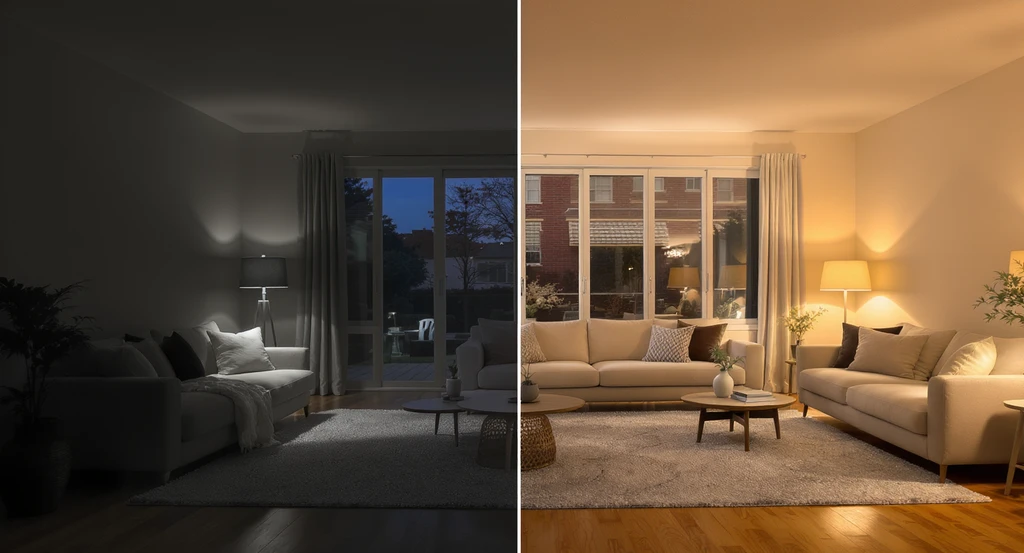
Using ai tools for fixing interior design mistakes like poor lighting can transform common home decorating mistakes. Layered lighting, recommended by ai interior design tips, helps prevent gloomy corners and harsh glare.
Lighting instantly affects how a space looks and feels. The mistake? Relying only on harsh overhead fixtures or forgetting about dark corners. Automated tools might suggest light placements, but understanding how natural and artificial lighting blend throughout the day is still a human art.
Why it matters: Poor lighting can make colors look wrong, exaggerate messes, and shrink spaces visually. As we highlighted in our design mistakes article, designers layer ambient, task, and accent lighting to create depth and warmth, something AI cannot replicate perfectly.
Practical tip: Mix lamp types and bulbs. Human input helps you avoid both gloom and glare, giving each room a mood that feels welcoming.
-
4. Pushing All Furniture Against the Walls
It's a classic move: thinking the room will feel "bigger" if everything is pushed to the edges. Actually, this often creates a void in the center and leaves the space feeling awkward.
Why it matters: Good furniture placement supports conversation and natural flow. Our living room flow guide demonstrates how floating furniture can connect zones and foster visual trust.
Expert fix: Pull seating inwards; create groupings that encourage connection. Expertise ensures these changes feel intentional, not random.
-
5. Using Rugs That Are Too Small
An undersized rug creates visual confusion, breaking up the space rather than anchoring it. AI might detect dimensions, but understanding how a rug ties a furniture group together—and appeals to buyers, requires a human touch.
Why it matters: Proper rug placement creates unity for living, dining, and bedroom areas. As discussed in our guide, a larger rug that connects all major pieces visually expands a room.
Takeaway: Go bigger than you think. Designers know when to recommend custom sizing for unique rooms, a judgment call that pays off.
-
6. Cluttering with Too Many Decor Items
Over-accessorizing is a common pitfall. Every surface covered with trinkets can leave a space feeling chaotic and untrustworthy, something AI-generated visuals can sometimes amplify if not reviewed.
Why it matters: Buyers subconsciously look for order, blank space, and intentional focal points. Learn more about decluttering and small space improvement for impact.
Professional stagers streamline decor, often removing more than they add. Their critical eye calms a room and lets standout pieces shine.
-
7. Trend Chasing at the Expense of Timelessness
Following every passing trend can leave spaces feeling dated or impersonal within a few months. AI interior design tips for better lighting or color can surface new ideas, but understanding what truly lasts goes beyond software.
Why it matters: People crave stability and a sense of belonging from interiors. Human designers know how to incorporate trends in reversible ways, using pillows or art, not foundational items.
Practical fix: Balance is key. Use classic shapes and colors as a base, then layer trendy accents.
-
8. Bad Art Placement
Art hung too high, too low, or unevenly spaced disrupts a room’s visual harmony. Automated tools struggle to judge eye level or link artwork with surrounding furniture context.
Why it matters: Correct art placement creates focus and flow, and signals professionally staged properties. As highlighted in our roundup of costly mistakes, simple adjustments make rooms instantly more polished.
Takeaway: Most art should be centered at eye level or grouped for effect, an attention to detail human editors bring to staging and virtual renovations.
-
9. Designing Only for Photos, Not for Real Life
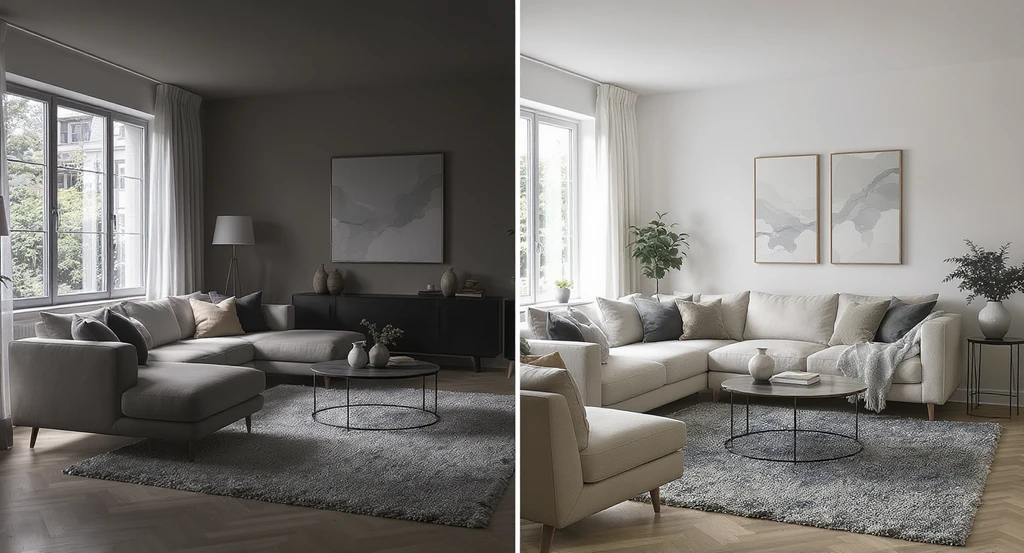
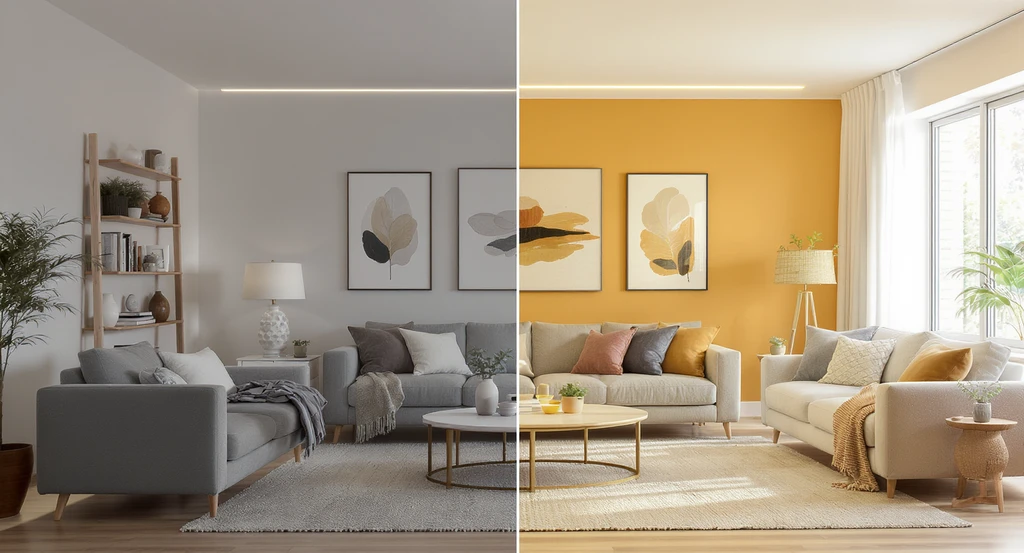
A side-by-side comparison of a photo-focused AI-designed room versus a practical, comfortable living space highlights how ai tools for fixing interior design mistakes and expert guidance can solve common home decorating mistakes, prevent overcrowding with ai room design, and improve lighting with ai interior design tips.
Sometimes, a room looks great online but feels empty, cold, or impractical in person. AI visuals can be striking, but they don’t always capture usability or the lived-in warmth buyers expect.
Why it matters: Humans react to spaces with their senses. Real-world usability involves comfortable seating, practical lighting, easy walking paths, details that make life easier and happier.
Expert input ensures your space doesn’t just photograph well, but feels good to use every day.
-
10. Neglecting Personal Style and Emotional Comfort
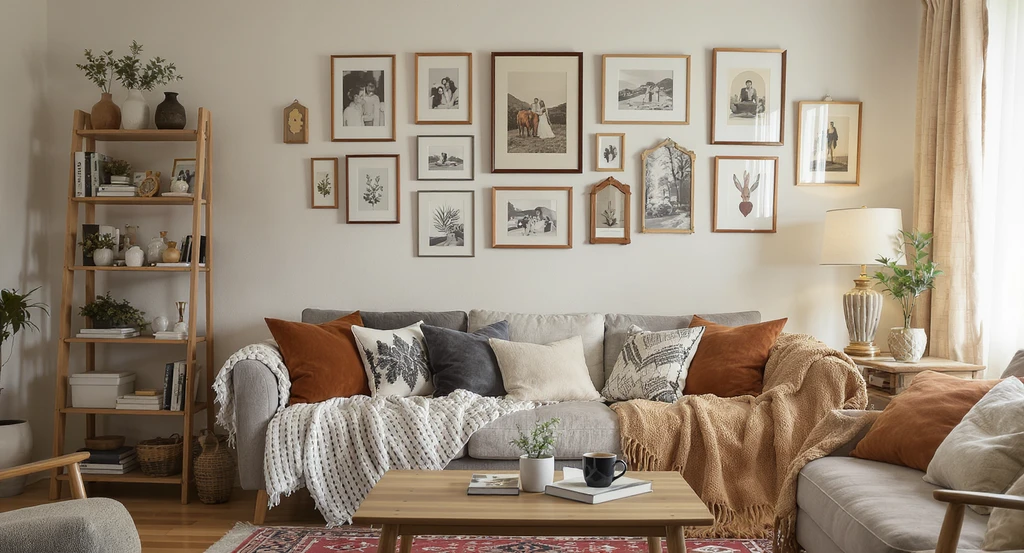
A personalized living room shows how ai tools for fixing interior design mistakes and personal mementos can create emotional comfort in home decor.
A home that doesn’t reflect its inhabitants quickly feels generic. AI can suggest palettes and layouts, but it can’t capture unique personalities or treasured mementos.
Why it matters: Buyers and renters both seek an emotional connection, a believable, inviting space that lets them imagine themselves at home. Professional designers layer in personal touches, warmth, and narrative in ways that automation misses, as our articles on design mistakes and small space personalization suggest.
Make sure your space tells a story, yours. Human expertise ensures authenticity shines through.
Interior Design Mistakes FAQs
Ignoring scale and proportion, which throws off the balance and comfort of any space.
Can AI help fix interior decorating mistakes?
AI tools can surface ideas or flag problems, but human expertise is essential for final judgment and lasting design quality.
Why do professionally staged listings generate more buyer trust?
They're carefully balanced for flow, proportion, and emotional comfort—values that buyers detect immediately.
How do I prevent overcrowding with AI room design?
AI tools can offer layout options, but reviewing final choices with a professional ensures open pathways and comfort.
Should I use only trends when redecorating my home?
No. Mix timeless pieces with a few trendy accents for long-lasting comfort and value.
Why Clients Return for Human Touch, Not Just Visuals
Most design mistakes are small and fixable, but the most lasting transformations always come from thoughtful planning, human-centered judgment, and attention to subtle details. While AI tools, like automated floor planning or using AI to choose interior color palettes, can suggest quick solutions, only real experts consistently create spaces that look good, feel right, and build buyer confidence.
Clients come back for professional staging, virtual renovation, and expert presentation not just because the visuals are polished, but because they’re believable, trustworthy, and emotionally refined. Details like consistent color, careful scale, and natural flow foster not only listing performance, but genuine comfort and trust.
Ready to see what human design expertise can do for your next project? Consider working with experienced professionals who truly understand both the art and psychology of great spaces.