TL;DR
Interior design technology is transforming how we imagine, design, and improve homes and commercial spaces. From AI spatial planners to virtual staging, these tools empower everyone to make smarter, faster, and more confident design choices, while human expertise remains essential for results that truly resonate.
Why Interior Design Technology Matters Now
Modern living room integrating ai powered interior design visualization tools and virtual reality for home remodeling, showing how ai transforms the home design process and empowers decorators to make confident decisions.
Interior design technology is revolutionizing real spaces by helping homeowners, designers, real estate professionals, developers, and Airbnb hosts visualize outcomes, reduce costly mistakes, improve decision-making, and create more personalized environments before making physical changes. From AI-powered room planning to virtual staging and immersive 3D walkthroughs, these tools make design faster, more accessible, and more predictable.
If you're feeling overwhelmed by the speed and complexity of modern design tools, or wondering if AI and visualization tech can really help you make decisions, the honest answer is: yes, technology is reshaping the way we plan and experience interiors. But there's another truth that matters even more: real-world results still depend on human insight, emotional resonance, and judgment that no algorithm can fully replicate.
Here's how interior design technology is making smarter, faster design possible, while keeping creativity and trust at the center of every space.-
1. AI-Powered Design Tools Accelerate Creative Decisions
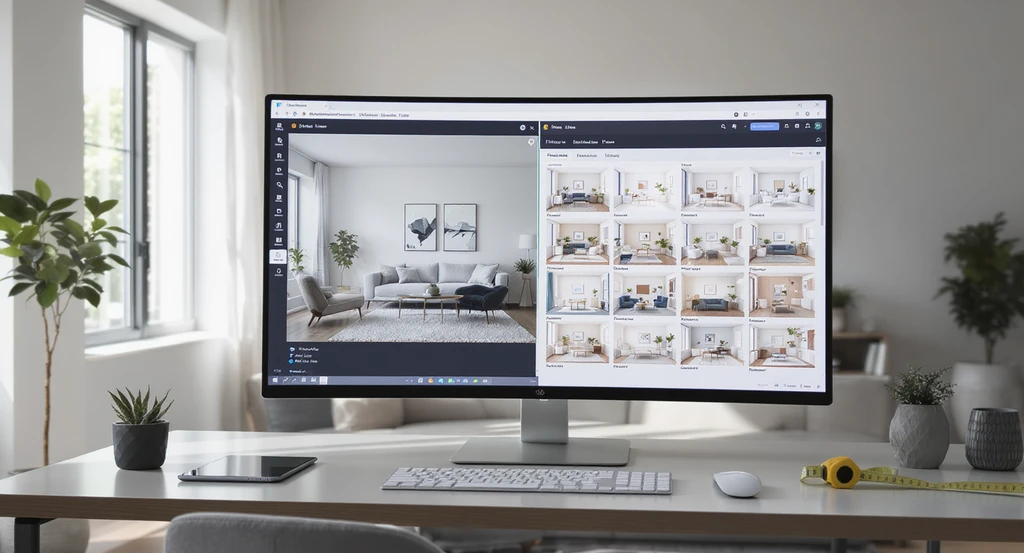
AI powered interior design visualization tools accelerate the home design process, letting decorators see instant layout and style options before committing.
Artificial Intelligence (AI) now analyzes room photos, measures spaces, and instantly produces multiple layout, color, and style options, putting inspiration just a few clicks away. Tools like ReimagineHomeai making it easier to visualize transformations and optimize space flow, as detailed in our exploration of AI room design tools.
This matters because faster concept generation helps homeowners and professionals quickly discover what works best. By giving a wide range of visual possibilities on-demand, AI gives people more confidence and flexibility before they commit resources. But it's the human expert who filters these options, ensuring that design choices make sense for real lifestyles and property goals.
-
2. Photorealistic 3D Visualization Reduces Risk
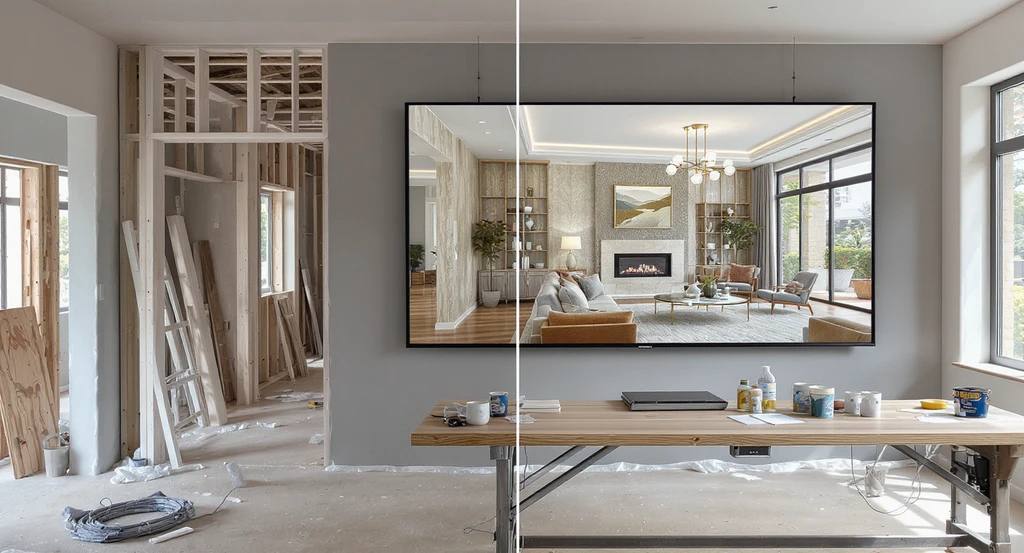
Using ai powered interior design visualization tools and virtual reality for home remodeling, designers showcase photorealistic 3D renders that help eliminate costly surprises and improve decision-making before construction begins.
Modern 3D rendering makes it possible to see practically any idea, lighting, textures, material finishes, in remarkable detail, well before construction or renovation begins. This clarity is crucial: people react not just to style, but to realism and believability in presentations. Mistakes caught early mean less wasted time and money, as we've discussed in our guide to visualization tools for renovation.
Realistic renders help homeowners, designers, and developers evaluate design decisions before construction or renovation begins, reducing uncertainty and minimizing expensive revisions. By previewing materials, furniture placement, lighting conditions, and spatial flow in advance, stakeholders can make more informed decisions with greater confidence. However, achieving truly believable results still requires professional judgment, proportion, and contextual understanding.
-
3. Virtual Staging Transforms Property Marketing
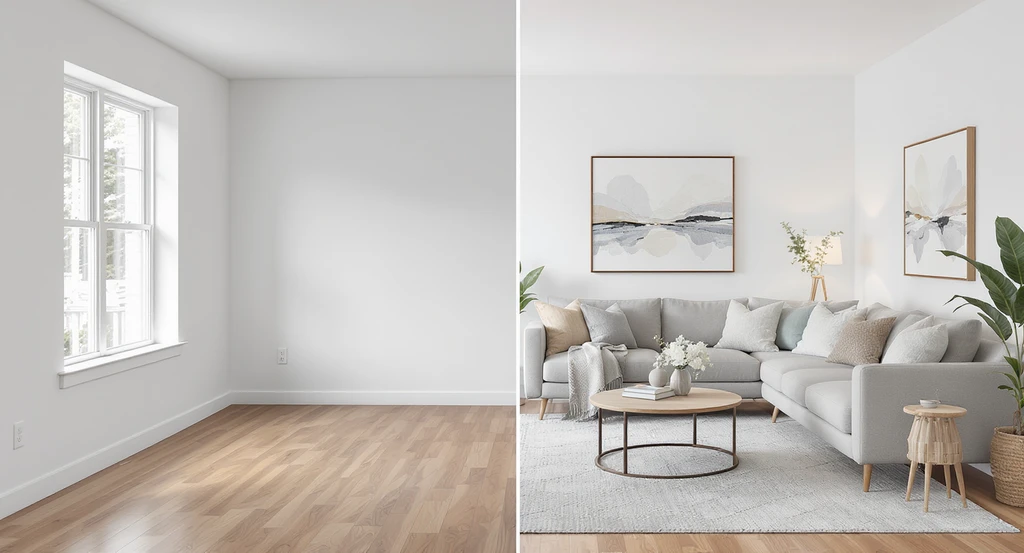
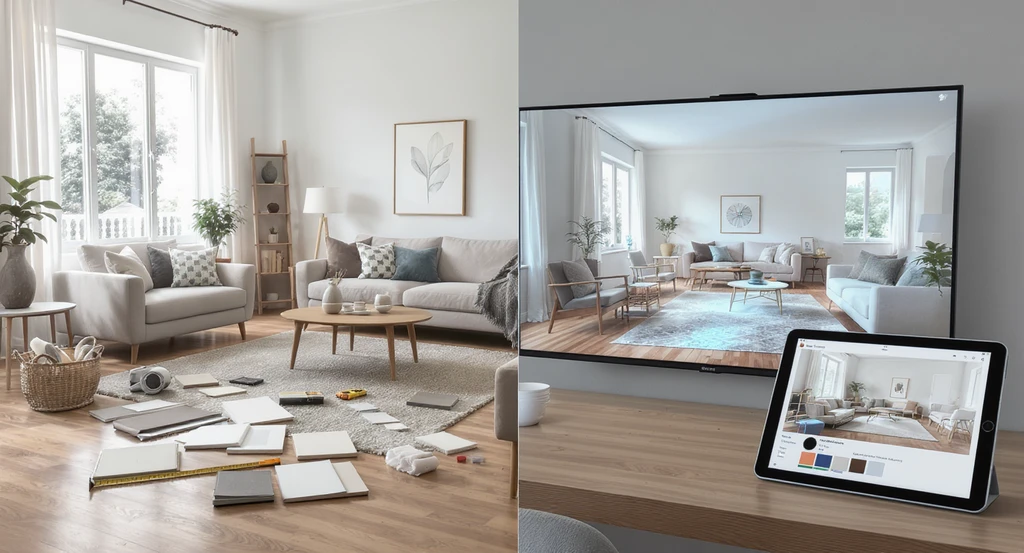
AI-powered interior design visualization tools demonstrate how virtual reality for home remodeling and augmented reality room planning ideas can quickly transform empty real estate listings, helping buyers envision personalized, furnished spaces and aiding property marketing with the best AI tools for interior decorators.
Virtual staging lets real estate agents and sellers digitally furnish empty spaces, enhancing buyer imagination and increasing listing engagement. Unlike generic AI-generated furnishings, expert services craft tailored environments that feel inviting and trustworthy.
This is critical for property marketing: buyers decide within seconds whether a listing feels believable and worth their time. As our feature on AI interior design explains, credible staging boosts buyer confidence and reduces the time properties spend on the market.
-
4. Augmented Reality Makes Shopping and Space Planning Interactive
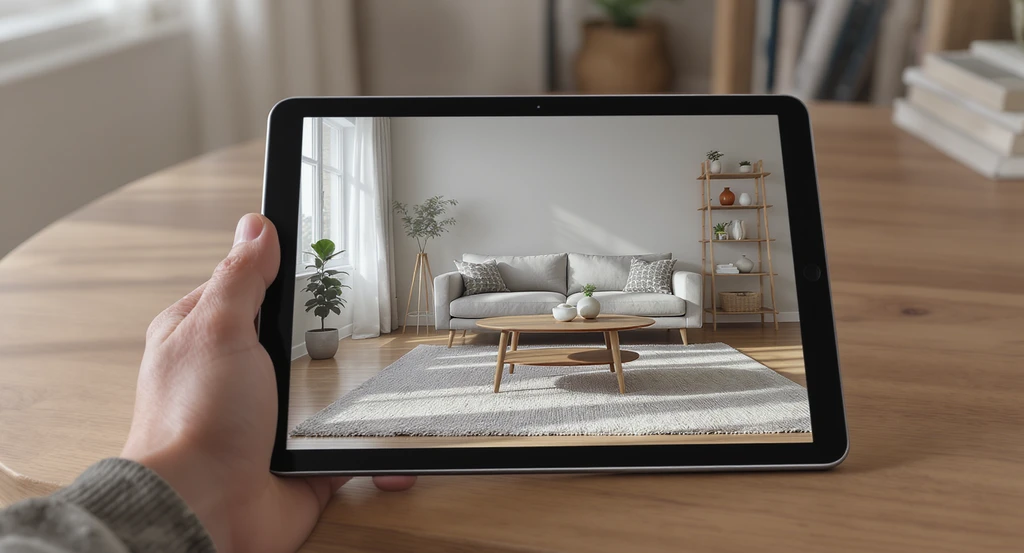
Augmented reality room planning ideas using ai powered interior design visualization tools show how ai transforms home design process. The image displays a realistic living room where virtual furniture is projected via tablet for best ai tools for interior decorators.
With AR, you can use a smartphone or tablet to project 3D furniture and decor directly into your room. This try-before-you-buy approach helps eliminate guesswork and increases satisfaction, according to our insights on AI-powered room design.
It matters especially for medium to small spaces or for clients styling remotely. However, for AR to deliver useful results, scale and context must be handled thoughtfully, something human designers are best equipped to ensure.
-
5. Virtual Reality Immerses Clients Before They Build
VR enables immersive walkthroughs of yet-to-be-built spaces, helping clients experience scale, flow, and lighting before construction. This hands-on preview makes decisions clearer, reduces anxiety, and supports better collaboration.
As exciting as VR is, realistic navigation and spatial cues, critical for comfort and confidence, only come alive when guided by expert input on usability and proportion.
-
6. Smart Home Integration Elevates Everyday Living
The Internet of Things (IoT) is now a core part of interior architecture. Smart climate, lighting, and security features can be integrated seamlessly, with technology considering not just appearance but real daily routines.
Successfully blending tech into a home's identity relies on expert designers who balance practicality, style, and evolving needs. Technology powers the integration, but it's human judgment that ensures homes remain comfortable, intuitive, and personal.
-
7. Accessible Design Tech Empowers More People, But Guidance Still Matters
There's never been a better time for homeowners, Airbnb hosts, and property marketers to try AI-powered interior design visualization tools and affordable 3D renderings. These technologies level the playing field, allowing more people to envision, experiment, and invest wisely.
Yet, as we explored in our room design AI guide, using these tools without professional review can lead to repetitive or unrealistic results. The most successful projects use technology as a starting point, and human expertise for the finishing touch that builds trust and emotional connection with every buyer or guest.
Frequently Asked Questions
- How do AI-powered interior design visualization tools work?
- They analyze room images and user preferences to suggest layouts, colors, and 3D renderings instantly. Learn more about how AI actually works in design.
- Can virtual reality really improve my home remodeling?
- Yes. VR lets you experience realistic walkthroughs before construction, helping reveal problems and opportunities early. Read our guide on why visualization matters for renovation clarity.
- Is augmented reality just a gimmick or truly useful?
- AR is practical for testing layouts and furnishings in real-time, but works best when overseen by professionals who ensure scale and context are accurate.
- Are these technologies expensive for small projects?
- No. Many technologies have become very accessible—even single-room refreshes can benefit from digital planning and virtual staging.
- Will technology ever replace interior designers?
- Unlikely. Tools enhance efficiency and visualization, but creativity, judgment, and emotional resonance require human expertise—something technology can't fully replicate.
Digital Innovation Works Best with Human Expertise
Interior design technology, from AI and 3D rendering to AR, VR, and smart home systems, helps make design decisions faster, clearer, and more informed. But lasting results still depend on human expertise to create spaces that feel functional, authentic, and personal. Whether you're renovating, marketing a property, furnishing a rental, or planning a commercial project, combining technology with professional guidance leads to more confident decisions and better outcomes.