TL;DR
The difference between a beautiful maximalist home and a cluttered one is not about the price or number of things you own. It's about attention load: the amount of information your brain must process at once. Human-centered design techniques help reduce stress, making spaces feel rich but not overwhelming. Here are eight common mistakes and how to fix them.
Why Some Maximalist Spaces Inspire, While Others Overwhelm
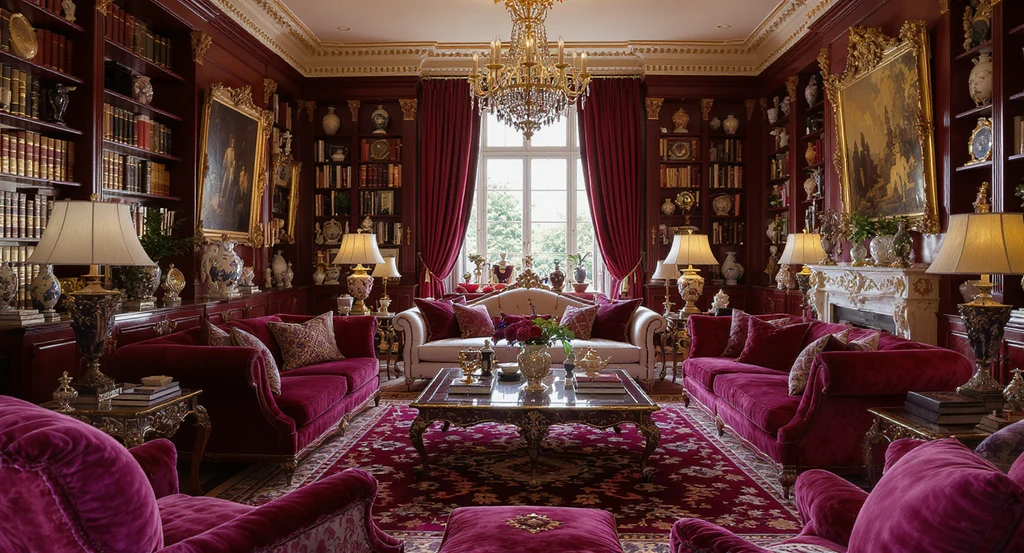
A maximalist living room filled with bold colors, crowded shelves, and too many decor pieces highlights how clutter can outweigh collected style.
If you’ve ever walked into a maximalist home and instantly loved it or felt your mind go blank from all the visual noise, you’re not alone. Many homeowners and designers wonder why some richly decorated rooms feel inviting, while others just feel crowded or stressful. Here’s the main issue: While maximalism celebrates abundance and layering, it quietly puts a heavy information load on your brain. Every color, shape, piece of furniture, or artwork fights for attention. The real challenge is not adding more, but helping the eye know what to focus on and why. As we explored in our guide on fusion styles redefining interiors, it's not about following rules—it's about creating comfort, flow, and feeling.
-
1. Too Many Statement Pieces Compete for Attention
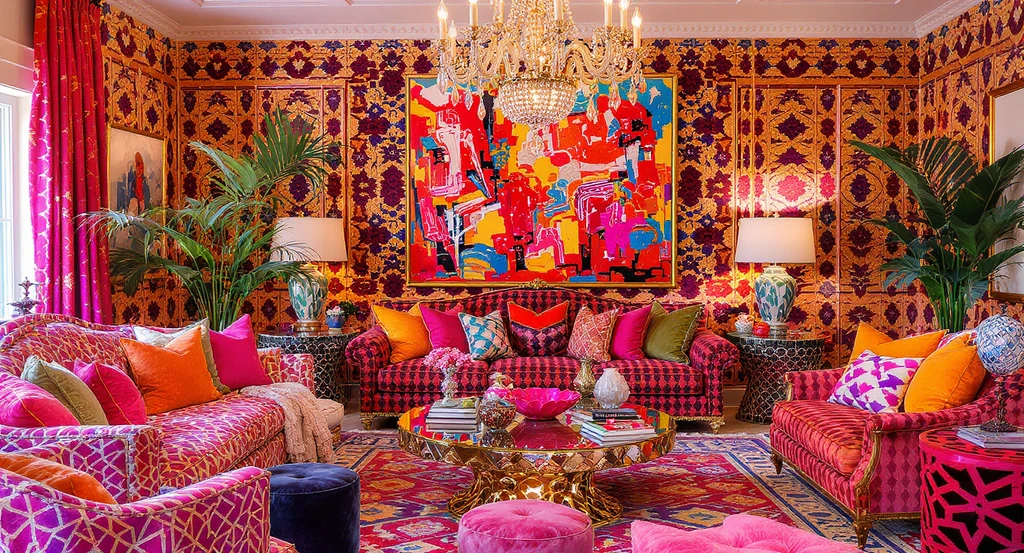
An example of a cluttered maximalist space: too many bold statement pieces—furniture, lighting, and art—compete for attention with no clear focal point.
If every furniture piece, light fixture, and artwork is bold, nothing stands out. Your brain searches for a focal point, and when it can't find one, the space feels restless. The best maximalist rooms let one or two elements shine, using quieter pieces as support. According to our staging style overview, strategic contrast is what gives bold pieces their impact.
Expert Insight
Last year, a client asked why her colorful, art-filled family room still felt stressful. Together we removed two bold accessories that competed for attention and added a simple rug. Instantly, the room felt calmer and more personal—her guests finally noticed her favorite painting instead of getting lost in the visual clutter.
-
2. The Room Doesn't Have a Clear Feel
A space bursting with collectibles and colors can still lack a unifying mood, a sense of comfort, creativity, or drama. Without a dominant emotional theme, the room becomes harder to process and remember. People forget objects, but they remember how a room made them feel. Maximalist design works best when personality and mood work together.
-
3. Rooms That Feel Bought, Not Collected
Maximalist spaces can feel flat when everything looks new or recently purchased. The best rooms mix objects collected over time like books, vintage finds, heirlooms. When pieces all have the same visual story, nothing is interesting. As noted in our discussion of fusion interiors, authenticity and variety give maximalism its charm.
-
4. Nothing Ties the Room Together
Humans look for patterns like colors, shapes, even repeated materials help the brain make sense of an energetic room. Without any links, a maximalist space feels random and cluttered. Try using recurring motifs or color families to connect what’s in the room. This creates order without killing creativity.
-
5. There's No Space to Let the Room Breathe
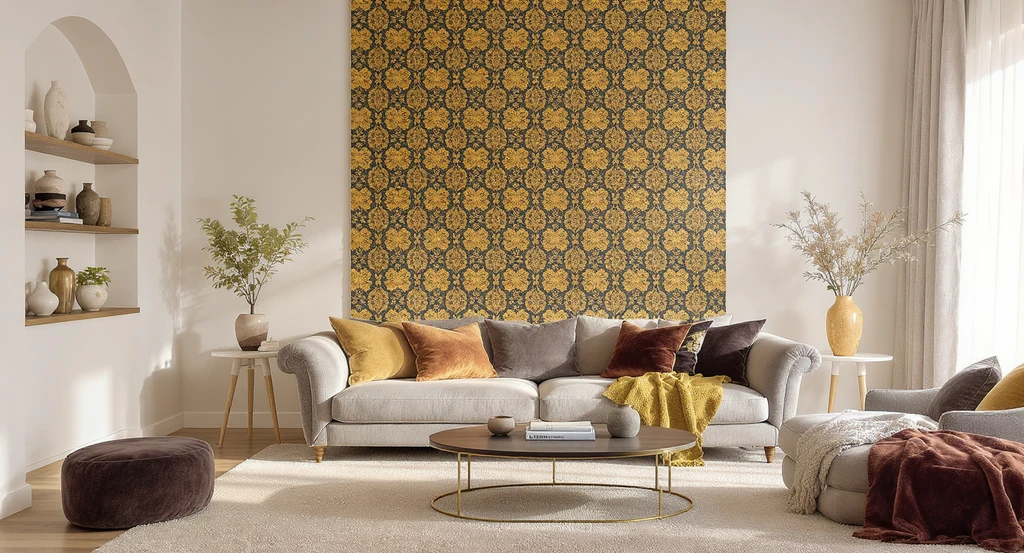
Leaving intentional empty space—like a bare wall or a simple tabletop—in a maximalist living room creates much-needed visual breathing room.
Filling every spot with decor is a common mistake. Empty space, a bare wall, a simple tabletop gives the eye somewhere to rest. These pauses make the vibrant parts feel richer and more enjoyable, as touched on in our living room staging basics. Less can truly be more, even in maximalism.
-
6. Style Without Personal Story
Trendy objects and colors can fill a room, but personal touches photos, books you love, mementos turn it into your space. Good taste alone often feels generic. Unconventional details reveal your story, making maximalist rooms feel warm, welcoming, and memorable.
-
7. Too Many Things Are Fighting for Attention
When every item is equally bold, none stand out. Establishing contrast—pairing bold wallpaper with a plain chair or a bright sofa beside simple accessories creates a sense of order and guides the eye. Hierarchy helps every piece feel special by giving it the right context.
-
8. You're Following Trends More Than Your Own Style
Copying social media or showroom trends often leads to rooms that look impressive but feel lifeless. Maximalism has to be personal, mixing your memories, interests, and quirks is what gives a home character. As we discussed in our guide to staging with design styles, authenticity always connects more than any trend can.
Visualization Scenario
Imagine walking into a living room with vibrant wallpaper, bold art, and layered textiles—but also a calm corner with just a single chair, a plant, and empty wall space. Suddenly, all the unique objects shine, and the room feels colorful, not cluttered. That’s maximalism done right.
Frequently Asked Questions About Maximalist Design and Clutter
- How do I know if my maximalist home feels cluttered or inspiring?
Stand in your space. If you feel overwhelmed or can’t name a focal point, it may be time to edit. - Is empty space important in maximalist design?
Yes. Visual breathing room helps the bold parts stand out and prevents sensory overload. - Can I mix many patterns and still look polished?
Absolutely, as long as patterns share some color or style elements for cohesion. - What’s the most common mistake in maximalist styling?
Packing too many statement pieces into one space so the eye can’t focus. - How can I make my maximalist room feel more personal?
Include items with real meaning—like books you’ve read, travel mementos, or family photos.
How to Reduce Attention Load and Create a Collected, Comfortable Home
Before adding another piece, ask: Does my room have a clear focal point? Do the objects connect by color, shape, or mood? Are there restful spots for the eye? Does every piece tell my story—not just follow a trend? The best maximalist homes aren't about piling on decor—they're about designing with intention and giving the mind a chance to breathe. That’s how you create a space that feels vibrant, personal, and truly collected, not cluttered. For more practical advice on styling and staging that truly works, learn from our guide to interior design mistakes to avoid.


