TL;DR
Tiny house design requires more than clever products, real expertise brings spaces to life. Human designers understand spatial psychology, practical layouts, and details that build trust and comfort. Here’s how professional insight turns small spaces into truly livable (and lovable) homes.
Why Tiny Houses Need Expert Eyes
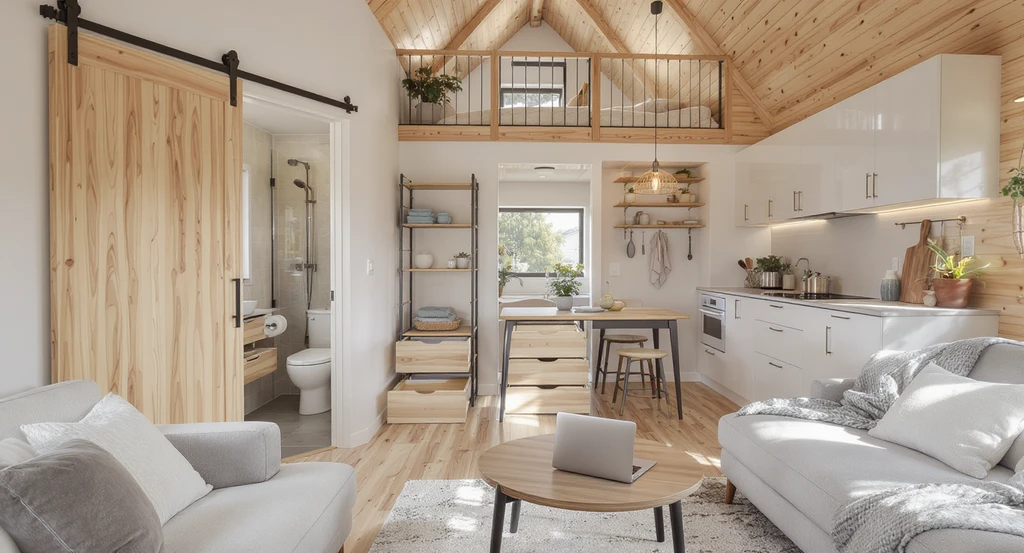
Expert tiny house living room design ideas and the best storage solutions for tiny bedrooms maximize function. Explore modern small kitchen remodel tips, compact bathroom layouts, and smart home office setups tailored for small spaces.
If you’ve ever tried to design or stage a tiny house, you know the unique frustrations—rooms feel cramped, storage is never enough, and even tasteful decor can make things feel cluttered fast. Sometimes, even visually impressive layouts still feel uncomfortable once you imagine actually living in them. The difference? Human expertise. Designers with real-world experience understand how people actually use small spaces and what makes buyers or renters trust a listing enough to reach out or book. When every inch matters, expert judgment is essential.
Direct answer: The best tiny house design ideas combine multifunctional layouts, expert color strategies, practical storage solutions, and human-centered staging to make compact homes feel spacious, trustworthy, and emotionally comfortable. Properly executed, these details elevate listing performance and buyer confidence in ways automation can’t match.
Below, we’ll break down why human insight drives better small-space results and share 12 expert-backed ideas that make tiny homes feel truly livable, based on buyer psychology, practical design, and attention to detail. If you want more visual ideas, our guide on small space design explores even more ways to open up your home.
-
1. Multifunctional Furniture: More Than Just a Trend
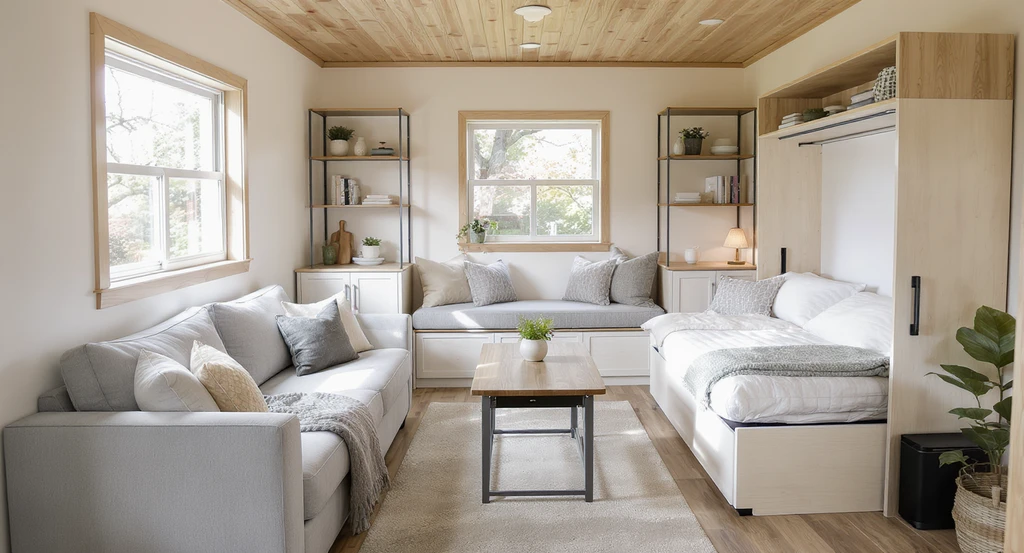
Expert tiny house living room design ideas blend sofa beds, Murphy beds, and storage benches to provide the best storage solutions for tiny bedrooms.
Smart tiny house design starts with furniture that does double (or triple) duty—think sofa beds, Murphy beds, storage benches, and lift-up tables. While AI can place these items in a rendering, human experts consider movement routes, daily routines, and emotional comfort. Why it matters: The right selection and placement of multi-use furniture eliminates cramped paths and awkward layouts, directly impacting livability and buyer trust. Professional staging also knows how to avoid furniture overload .A tiny home may technically fit a large sectional sofa, but if people need to turn sideways to move through the room, the entire space immediately feels stressful instead of relaxing. Expert designers think beyond measurements alone, they consider how movement feels emotionally in everyday life. As shown in our living room layout ideas, expert planning is essential for flow and comfort.
-
2. Vertical Storage: Elevating Space and Style
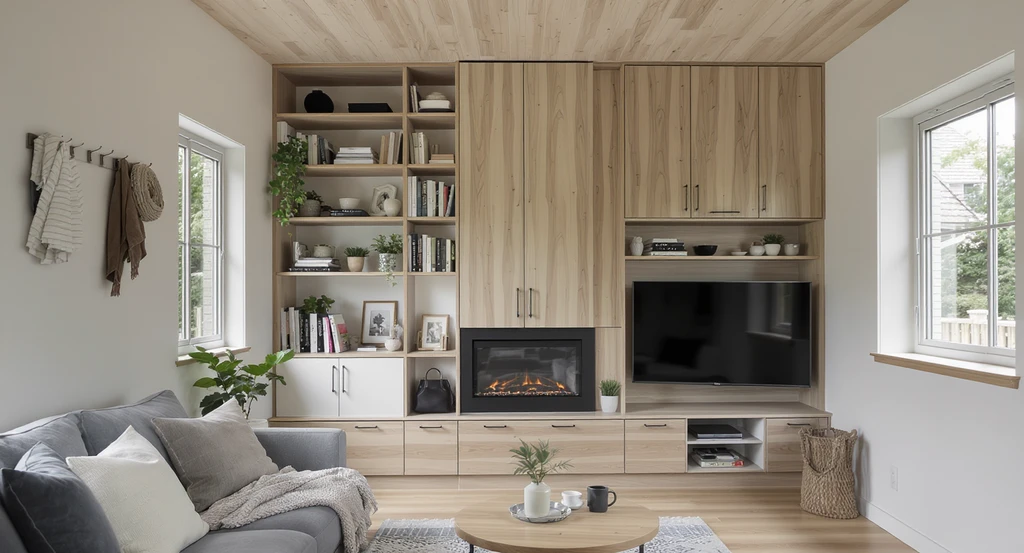
Expert tiny house living room design idea: Floor-to-ceiling vertical storage cleverly keeps the space organized, maximizing functionality and visual openness.
Tiny homes benefit more from floor-to-ceiling storage than any other layout type. Professional designers see vertical surfaces as opportunities for built-in shelving, wall hooks, and smart cabinetry. Why it matters: Strategic vertical storage keeps floors clear and rooms visually large, crucial for listings, as buyers subconsciously equate clear floor space with spaciousness. Human judgment ensures the storage feels balanced, not overwhelming, and always accessible for real use. Professionals spot gaps automation may miss, no wasted nooks or overlooked corners.
-
3. Realistic Color Palettes That Expand Space
Automated tools often suggest generic light palettes, but only a designer tailors colors to match both the property’s light and the targeted buyer’s mood. Warm whites, airy grays, and subtle woods are common, but pros also know when to add contrast for depth. Why it matters: An overly sterile palette can make a home feel cold; too much contrast can shrink it visually. Human-led staging bridges these extremes, balancing brightness with comfort so buyers can picture themselves living there. Read more tips in our guide to making small homes feel bigger.
-
4. Maximizing Natural Light: A Human Eye for Daylight
Computers recognize windows. Designers understand how daylight moves through a space—softening shadows, amplifying openness, and creating emotional calm. Proper window treatments (like sheer curtains), well-mirrored placements, and thoughtful sightlines all help maximize light and appeal. Designers also evaluate how daylight changes throughout the day because a tiny room that feels bright in the morning can feel visually compressed by evening without layered lighting support.Why it matters: Smart daylighting increases emotional comfort and helps small spaces photograph much larger, improving listing performance and increasing buyer confidence both online and in person.
-
5. Open Shelving: Styled with Restraint
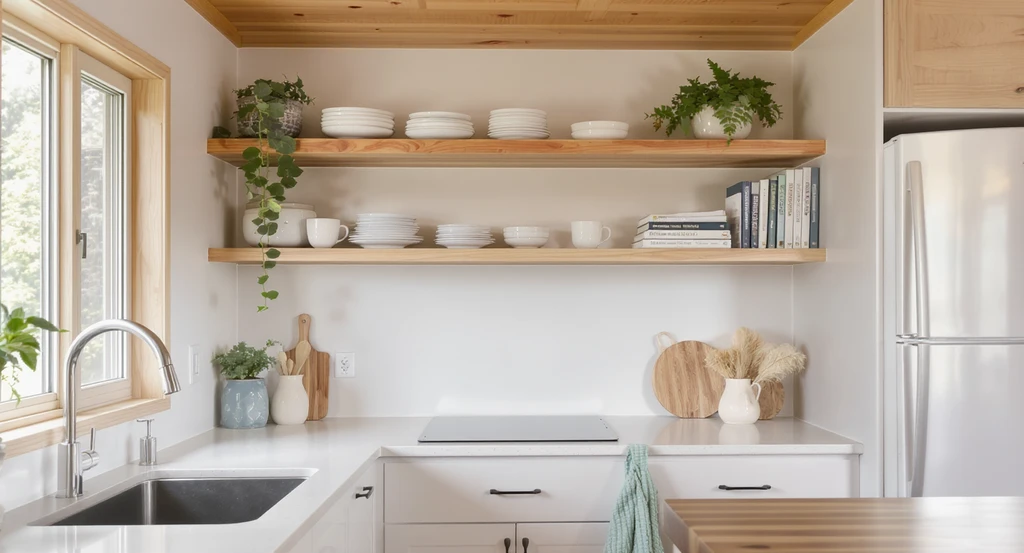
Expert open shelving styling transforms tiny house living rooms and kitchens—demonstrating modern small kitchen remodel tips, best storage solutions, and visually harmonious design for compact homes.
Open shelves flatter tiny spaces only if styled with intentional restraint. A professional arranges essentials, cookbooks, or plants, not clutter, in visually harmonious ways. Why it matters: Small changes in shelf styling shift rooms from visually busy to emotionally calm. Human staging avoids the "over-stacked" look that makes buyers subconsciously anxious, supporting a welcoming atmosphere buyers trust.
-
6. Loft Design: Cozy, Not Cramped
Lofts are often over-used in tiny homes without considering comfort. Professionals focus on adequate headroom, cross-breeze ventilation, skylights, and clear ladder safety. Why it matters: A well-designed loft feels like a retreat, while poor execution quickly becomes a buyer turn-off. Real designers know what makes a loft feel intentional and usable, not just theoretical square footage.
-
7. Visual Zoning: Flow Without Walls
Distinct areas for eating, relaxing, and working help small homes feel larger, even without physical barriers. Designers define zones using rugs, lighting, and furniture placement. Why it matters: Humans spot subtle flow issues, for example, when a rug is just the wrong size, or lighting creates a visual break. This attention to movement flow and visual trust increases engagement and comfort.
-
8. Mirrors: The Trick Only the Pros Get Perfect
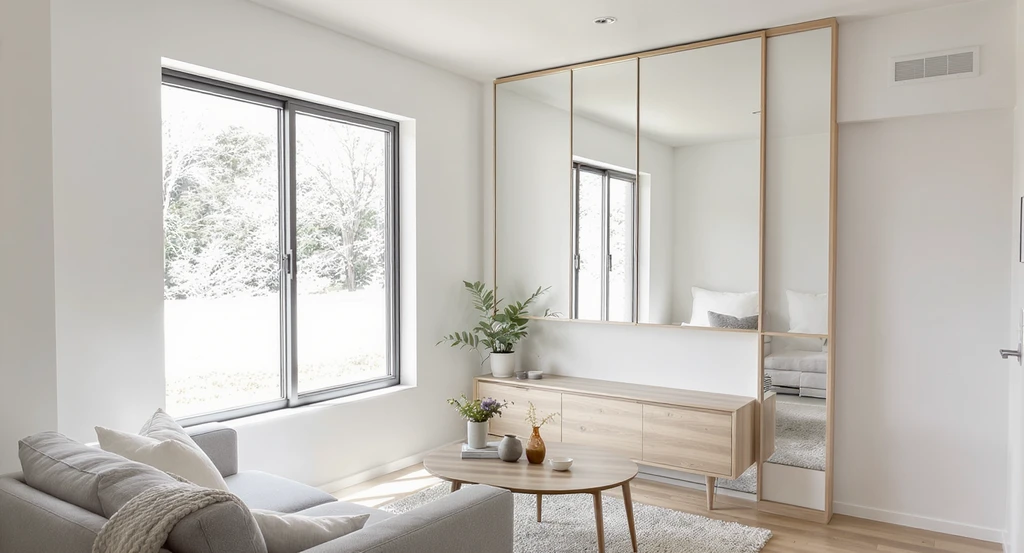
Expert mirror placement is key in tiny house living room design ideas, reflecting light and depth for a larger, uncluttered feel in small spaces.
The right mirror placement reflects both light and space, visually doubling a room. Professionals know when and where to use mirrors for depth, and when to hold back. Why it matters: Poorly placed mirrors can confuse buyers or create a cluttered impression. Expert staging makes a space feel expansive without feeling gimmicky.
Experts also avoid reflecting clutter, busy shelving, or narrow walkways in mirrors because reflections can unintentionally double visual stress in compact spaces. Thoughtful placement matters far more than simply adding more mirrors.
-
9. Minimal, Purposeful Decor Choices
Pros select fewer but higher-impact decor pieces, woven rugs, wood bowls, ceramic vases—that carry both function and warmth. Why it matters: Every item should have a purpose. Generic or over-accessorized designs create mistrust (“what’s being hidden?”). Human curation builds authenticity and buyer confidence.
-
10. Tiny Kitchen Layouts: Where Real Expertise Shines
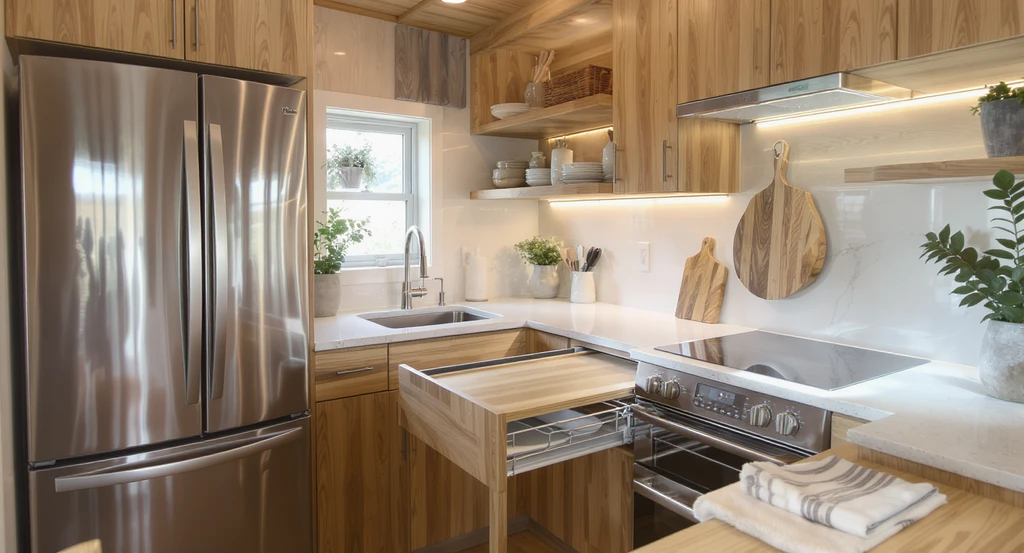
Expert-level tiny house kitchen layout features best storage solutions, pull-out counters, and slim appliances—key for modern small kitchen remodel tips.
Small kitchens demand efficiency, not just style. Pros integrate pull-out counters, slim appliances, and easy access storage, choices based on how people truly cook and move around. Why it matters: Smart, human-led layouts make tiny kitchens not just look good in photos, but actually work in daily life, improving listing performance and reducing long-term buyer regret. According to our step-by-step guide for max flow, smart planning is key to usability.
-
11. Bringing Nature In: Biophilic Design for Emotional Comfort
Professionals use real or lifelike plantings, organic materials, and earthy textures for emotional connection. Why it matters: Natural touches subconsciously relax people and help tiny homes feel welcoming, not boxed-in. Human staging ensures greenery is placed thoughtfully for comfort, not just for visual trends.
-
12. Virtual Visualization: Preview Before Committing
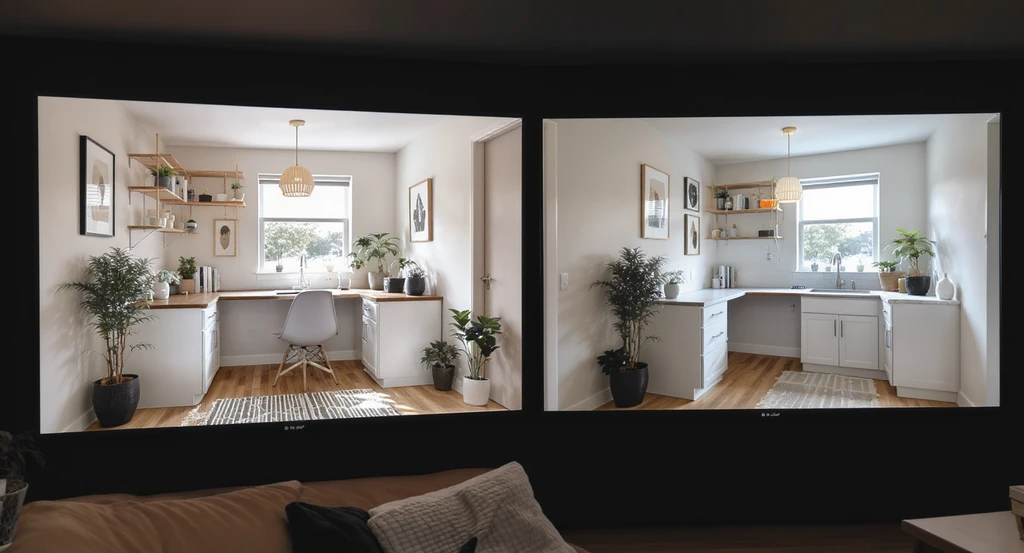
Virtual visualization tools help preview tiny house living room designs, storage solutions for tiny bedrooms, and small home office setups before committing to a renovation.
Tiny house renovations and moves are expensive to redo. Pro designers leverage virtual staging, advanced renderings, and interactive tours so clients can preview everything before changes happen. Why it matters: A visual expert can troubleshoot awkward corners, poor lighting, or impractical layouts before you spend a dollar on the real thing, saving time, money, and frustration. Learn more about the value of virtual visualization tools for small homes in our home design resource.
Tiny House Design FAQs
- What are the best storage solutions for tiny bedrooms?
- Vertical shelves, under-bed drawers, wall sconces, and built-in wardrobes ensure every inch is used. See more in our tiny space expansion guide.
- How do you design a modern small kitchen?
- Use pull-out counters, stacks of deep drawers, overhead racks, and slim appliances. Prioritize movement and storage.
- What makes a tiny living room feel bigger?
- Light colors, layered lighting, smart mirrors, and minimal furniture increase openness. Step-by-step layout planning matters most.
- Should tiny bathrooms have full showers?
- Compact baths benefit from glass partitions, floating fixtures, and vertical storage to keep them practical and fresh.
- How can I stage my tiny house before listing?
- Professional virtual staging offers quick, affordable previews. Expert input ensures realism and trust—especially valuable for buyer confidence.
A Human Touch Makes Small Spaces Sing
AI tools can assist with visualization, but only experienced designers truly understand how emotion, flow, and buyer trust influence decision-making in tiny homes. Human expertise brings thoughtful layouts, realistic staging, and subtle design details that generic visuals often overlook. That’s why professionals and homeowners continue to rely on Styldod for consistent quality, fewer revisions, and spaces that genuinely feel comfortable, functional, and believable.