TL;DR
Timeless Italian homes are not shaped by trends, but by thoughtful decisions that focus on daily comfort, function, and materials that age well. This list explores 12 human-centered design lessons you can use to create a sustainable, regret-proof home—backed by expert judgment, not fleeting styles.
Why Do Some Homes Never Go Out of Style?
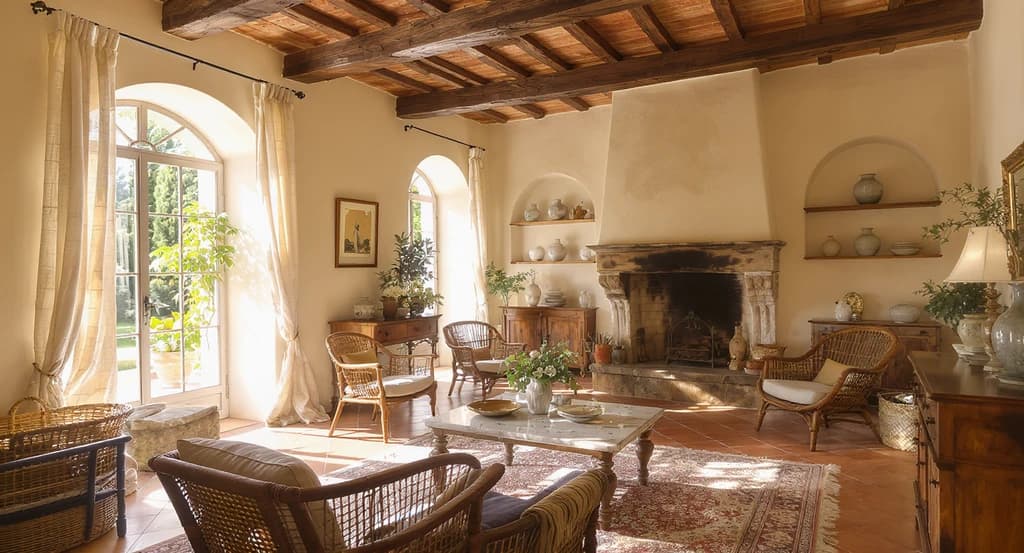
Learn how to design a timeless sustainable home by blending cost-effective materials that age well and eco-friendly interior design decisions, reducing decor waste and regret-proofing your space through thoughtful, long-term planning.
If you’ve ever renovated or updated your home, you’ve probably wondered: "Will this still feel right in ten years?" Many people regret fast decisions, trendy finishes, or layouts that only look good on day one—yet age poorly or waste resources. The answer is not always found in the latest style or the newest tech. Human insight and experience—from understanding buyer psychology to knowing what truly works for the long haul—still shape the homes people cherish most. This is especially clear in many well-loved Italian homes, where rooms evolve naturally, materials improve with age, and design choices are made with decades (not just months) in mind. As we explored in our guide to visualizing renovations before building, blending expert planning with visual tools can help you make decisions that stand the test of time. But it’s the human eye for comfort, flow, and longevity that truly makes the difference.
-
1. Design for Decades, Not Just Move-In Day
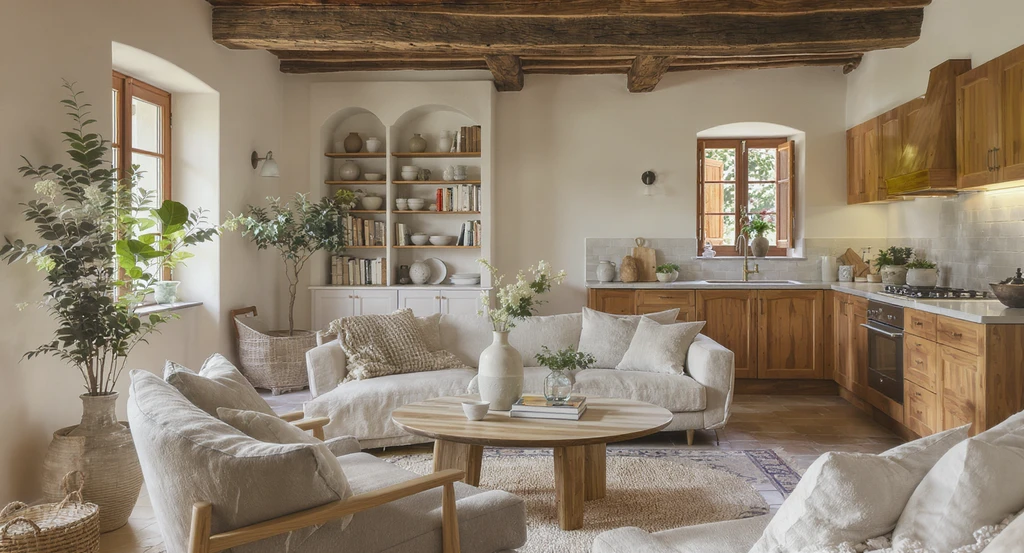
Designing a timeless sustainable home starts with choosing long-lasting, cost-effective materials for daily living and reducing future renovation waste.
Many renovations are measured by their immediate "wow" factor. But the best Italian homes succeed because every decision such as layout, finishes, or furnishings answers: Does this support long-term living? Will it feel right after years of daily use? Choosing with the future in mind helps avoid wasteful renovation mistakes and builds lasting value.
Expert Insight
A family updated their living room with trendy finishes and furniture after seeing them online. Within two years, they found the style overwhelming and costly to replace. After consulting with design experts, they focused on investing in timeless architecture, natural materials, and flexible layouts. Now, their home feels comfortable and inviting year after year, with much less need for constant updating.
-
2. Allow Your Home to Grow Over Time
You don’t have to finish every room right away. Italian interiors often evolve, adding unique lighting, furniture, or art over time. This approach reduces decor waste and leads to spaces that feel collected, not staged. Let your space breathe and add only what truly fits as your needs develop.
-
3. Choose Materials That Age Gracefully
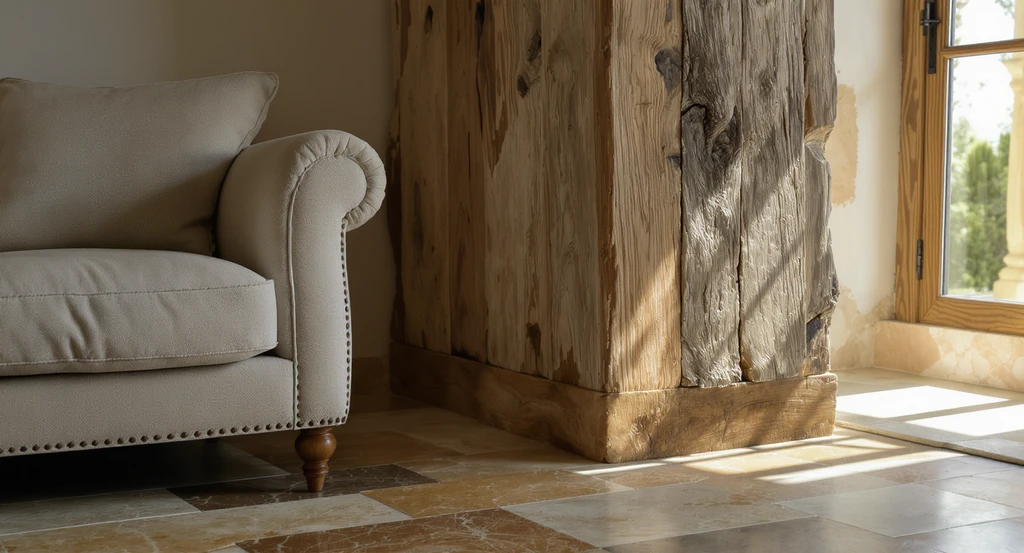
Choosing stone, wood, linen, and leather creates a timeless, sustainable home. These cost-effective materials age gracefully and support eco-friendly, regret-proof interior design decisions over time.
Stone, wood, linen, and leather all tell a story as they age, developing warmth and character rather than looking worn out. Instead of picking materials that only look perfect when new, select those that improve with use. This is a key to both sustainable design and regret-proof decisions—see more in our expert tips on kitchen materials that age well.
-
4. Let Architecture Speak First
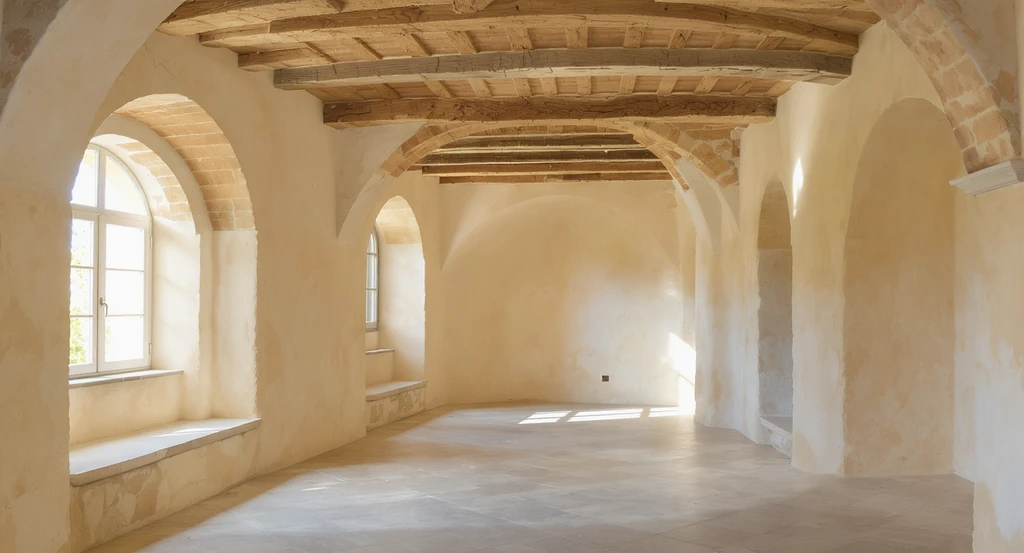
Prioritizing architectural character with arches, beams, and plaster is an eco-friendly interior design decision that helps design a timeless sustainable home while regret-proofing your space.
Many homeowners rely on decor for personality, but Italian homes often use arches, beams, and plaster to add lasting character. Investing in these details gives your home a strong foundation reducing the urge to constantly redecorate. Prioritize what you build in, so you don’t have to overcompensate with accessories later.
-
5. Focus on How People Use the Space
Rooms shouldn’t just look good in photos, they should feel welcoming in real life. Arrange furniture for real human interaction: conversation, shared meals, and daily rituals. This kind of human-centered design improves daily comfort and helps make homes more timeless.
-
6. Use Light to Set the Mood (Not Just Brighten)
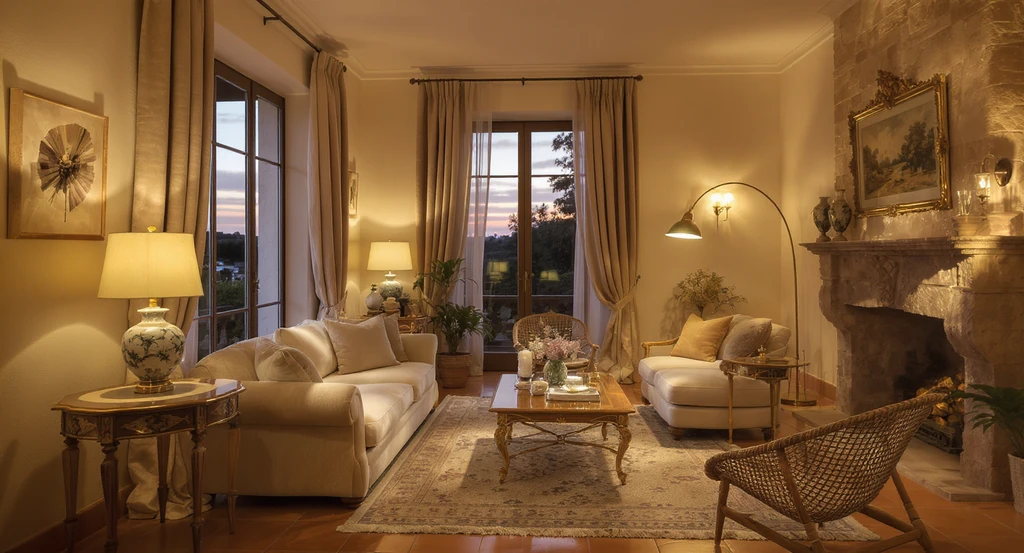
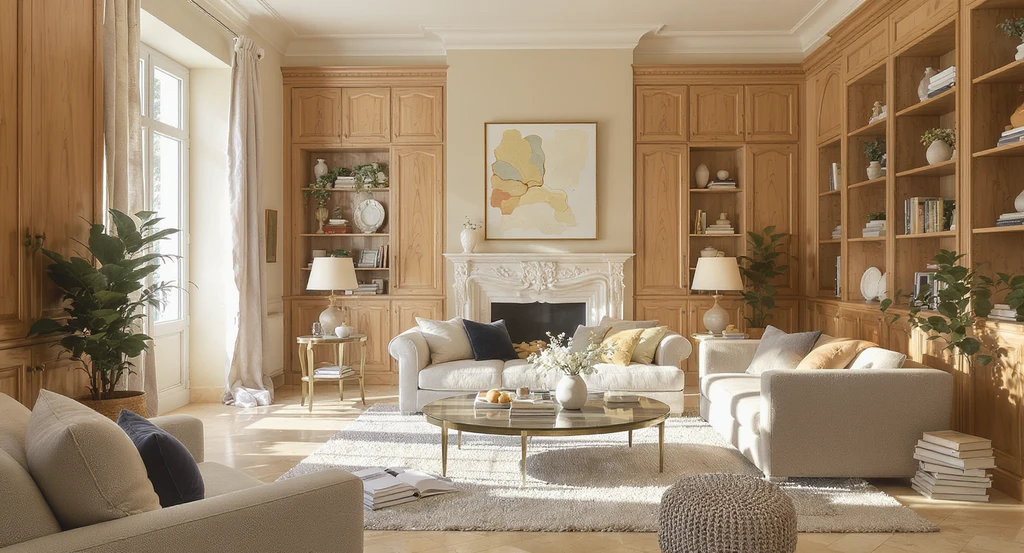
Layering natural daylight and multiple lighting types creates a timeless, sustainable home atmosphere, helping avoid wasteful home renovation mistakes and supporting eco-friendly, cost-effective interior design decisions.
Good lighting is more than just brightness, it shapes atmosphere. Italian homes often blend natural, ambient, task, and decorative lighting for warmth all day. Ask how each room should feel—morning to night, before choosing new lights or window treatments.
-
7. Let Materials Create Depth and Texture
Instead of filling rooms with color, many Italian interiors rely on texture: stone, wood, plaster, linen, leather. These details add depth and richness that lasts, even in simple, neutral spaces. Try focusing on texture first before layering in more color.
-
8. Embrace Empty Space as a Design Move
It’s tempting to keep buying new items for a room, but often, less brings clarity. Well-loved Italian homes leave open space, letting the eye rest and the essentials shine. Before adding something new, pause to ask if the room truly needs it, reducing waste and regret.
-
9. Build Kitchens for Real Life
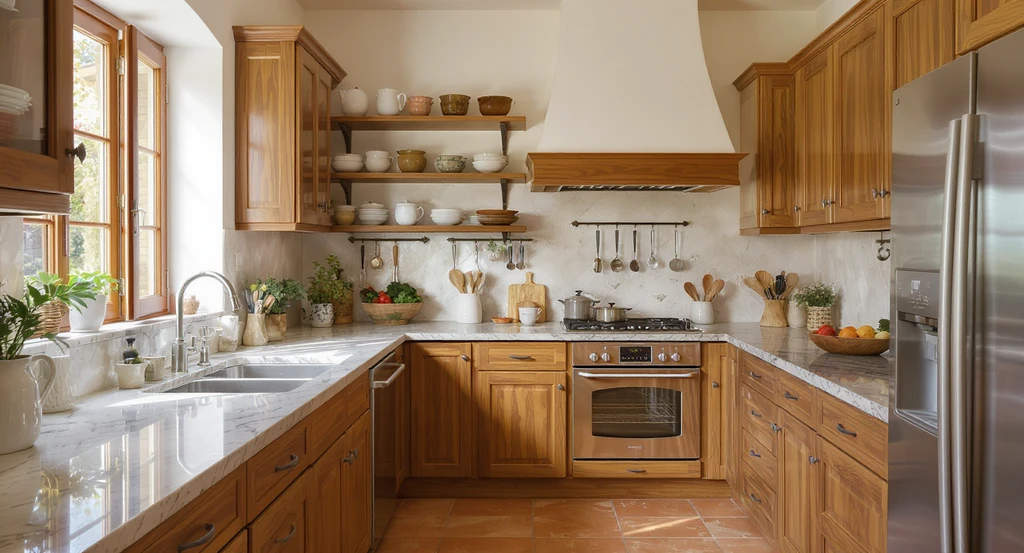
A real Italian kitchen uses cost-effective, durable materials and practical layouts—showing how to design a timeless sustainable home that reduces renovation waste.
Italian kitchens aren’t for show, they're for cooking and gathering every day. This mindset means choosing layouts and materials that stay useful and attractive year after year, not just following the latest trends. Learn more in our kitchen remodeling guide.
-
10. Strengthen the Connection to Outdoors
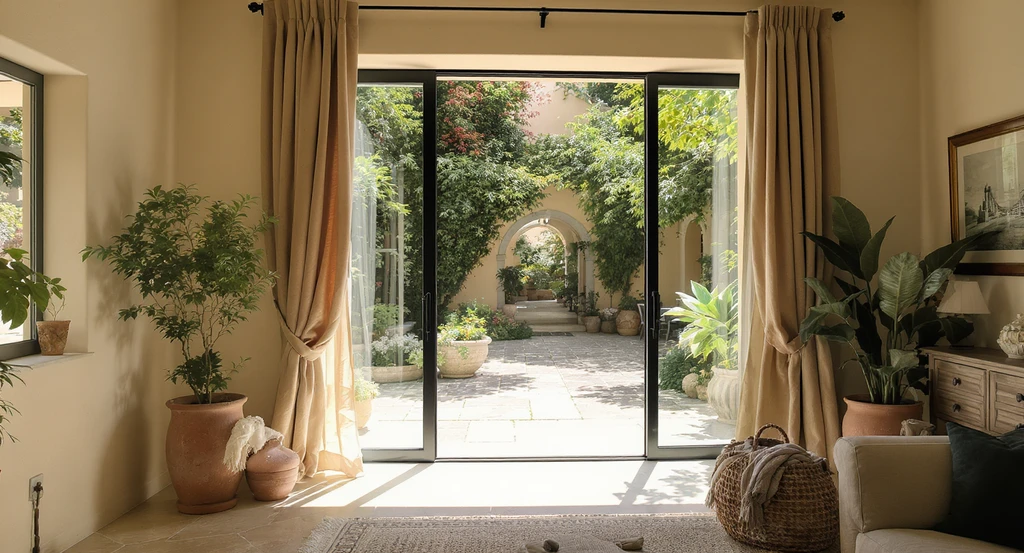
Maximize timeless sustainable home design with wide windows and natural materials that blur boundaries between indoors and outdoors, enhancing eco-friendly comfort and lasting value.
Courtyards, terraces, wide windows, and natural materials bring the outside in. Even in small homes, bringing in natural light or views creates a lasting sense of comfort and openness. Maximize these features before adding more furnishings.
-
11. Remember: The Ceiling Counts Too
Too often ignored, ceilings shape how a room feels. Beams, moldings, or subtle details overhead can make a plain space feel layered and finished. Always look up before adding more to the floor.
-
12. Edit Thoughtfully to Avoid Clutter
Timeless homes aren’t filled with things, they’re filled with intention. Choose each piece for a reason, and whenever you add something new, consider removing something unnecessary. This habit helps reduce decor waste and keeps rooms feeling fresh year after year.
Visualization Scenario
Imagine previewing your renovation in a virtual space, testing materials, adjusting layouts, and seeing real sunlight move through the room. This process, especially when guided by expert feedback, can reveal issues and opportunities you might have missed, helping you create a space you’ll love for decades.
FAQ
A: Focus on layout, lighting, and durable materials that improve with age. Use our tips above and leverage visualization tools to make regret-proof decisions.
A: Natural stone, solid wood, linen, and leather all age well and reduce decor waste over time. Learn more about cost-effective, sustainable materials.
A: Trends can look outdated quickly. Human-centered, practical design keeps your home feeling fresh far longer and saves on future renovations.
A: Visualization tools combined with expert advice can help you see different options clearly—see our guide to visualizing renovations before building.
A: Plan ahead, favor flexible layouts, and pick materials that age well. Visualization tools can help you test options before you build.
How to Move From Inspiration to Action
Creating a home you’ll love for years isn’t about copying a style—it’s about making thoughtful, sustainable choices that fit your life and age gracefully. Focus first on layout, lighting, long-lasting materials, and the structure of your space. These decisions have the biggest impact and are often the ones that help reduce renovation regret over time.
When you want to see how your ideas come together before committing, both human expertise and modern visualization tools can provide valuable clarity. As shown in our overview of visualization tools, combining expert judgment with visual previews can lead to more confident decisions and fewer costly mistakes. Well-loved homes stand the test of time because they are shaped with patience, intention, and a genuine understanding of how people live. Every decision, big or small, is an opportunity to create lasting comfort and value.


