TL;DR
Selecting art for your home isn’t just about filling empty walls, it’s about creating a lasting, meaningful connection in your space. These 11 simple questions help you avoid common art regrets, prioritize what truly fits your life, and ensure new pieces enhance both your rooms and your routines for years to come.
Why Most Art Regrets Are Totally Avoidable
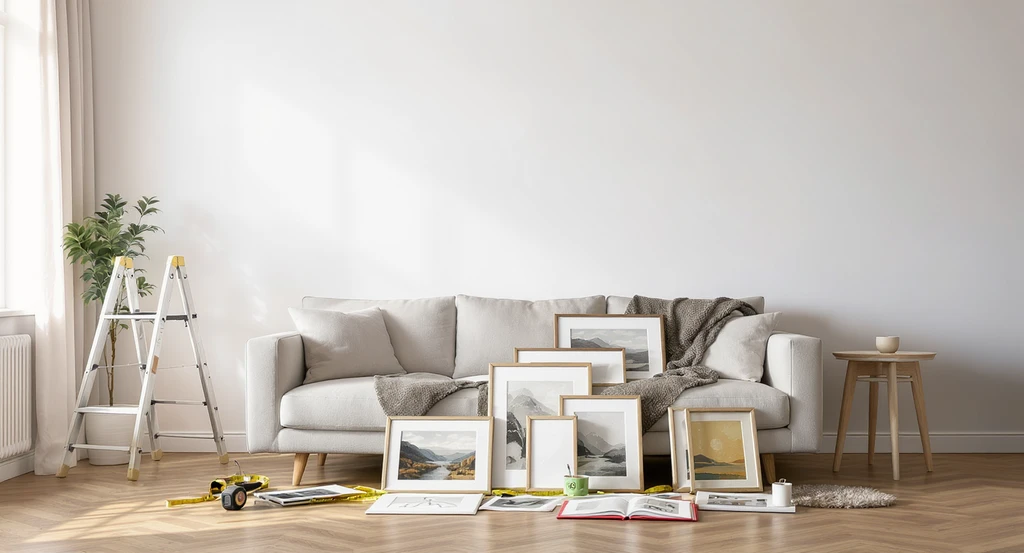
Wondering how to choose art for empty rooms? Visualize potential in blank spaces and ask the right questions to avoid art regrets at home.
Have you ever bought a piece of art, loved it at first, then wondered months later why it never felt quite right? Many people wrestle with blank walls and the pressure to decorate quickly. Even when a painting or print seems perfect in the store or online, it’s easy to second-guess yourself once it’s up and life goes on.
Here’s the truth: most art mistakes happen when you focus on quick fixes or trends instead of real, lasting fit. The good news? You can sidestep regret entirely if you ask the right questions upfront and visualize how each piece will live in your home long-term.
Human experience, not just instant appeal, is the key to choosing artwork that truly belongs. If you want step-by-step tools for visualizing how art fits within room design, our guide on using visualization tools for home renovation has tips you can use today.
-
1. Will You Bring It With You if You Move?
The quickest way to know if a piece matters is to imagine packing it during a move. Would you make space for it, or leave it behind? Artwork with personal meaning or lasting value travels with you, while trendy décor is often forgotten. This test helps you separate real favorites from quick buys.
Expert Insight
A homeowner once bought a large, colorful painting to fill a bare wall in their entryway. Within months, they realized it never quite matched their routines or style. After moving it to a different room, they found it worked much better, reminding us that choosing art is about the life you live, not just the look.
-
2. Are You Just Filling an Empty Wall?
Filling empty walls feels urgent, but making art choices only to solve that problem often leads to regret. Instead, focus on pieces that mean something or connect to your style. If you’re still in the blank space stage, check these wall paneling ideas that solve common room design issues for alternative solutions before rushing into art purchases.
-
3. Does It Keep Your Interest After 30 Days?
Some art is easy to love at first, but loses appeal over weeks. Others grow more special with time. If possible, let the piece sit in your mind for a while before buying. You’ll avoid impulse decisions and only bring in art that stands the test of time.
-
4. Does It Tell a Story for You?
4. Does It Tell a Story for You? Image
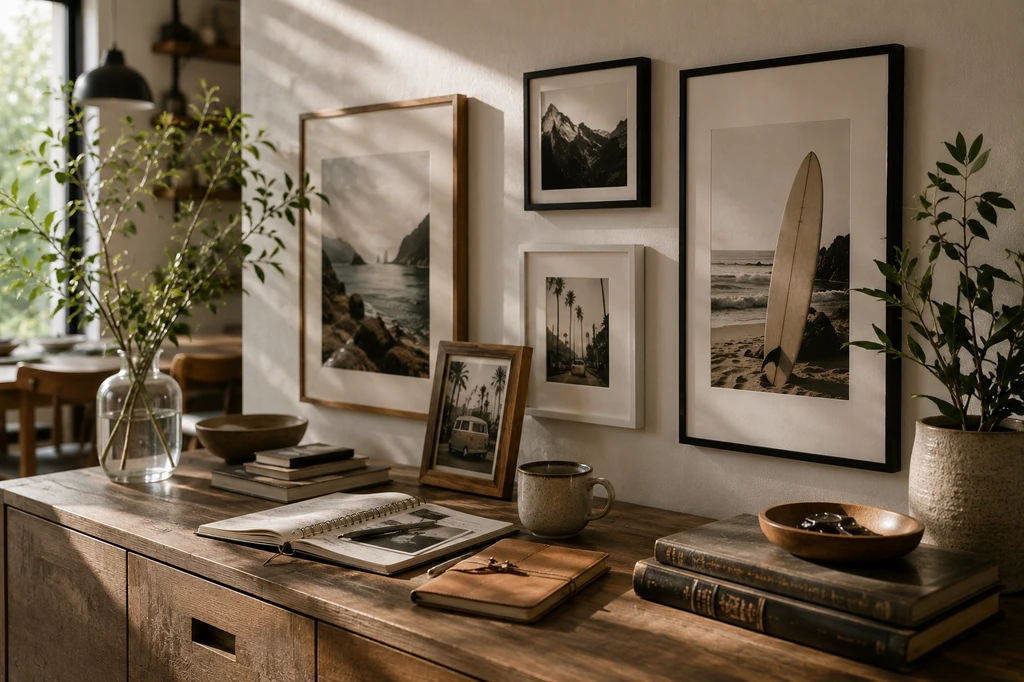
Art that connects to a personal memory, place, or interest survives style changes and redecorating much better than art picked only for looks. Think about what draws you in. If it reminds you of something meaningful, it’s likely a solid choice for your room and your life.
-
5. Will You See It Every Day?
Artwork in daily sightlines like your morning route to the kitchen shapes your mood more than a statement piece in an unused room. Choose pieces for high-traffic areas that genuinely make you feel good each day.
-
6. Would the Room Feel Incomplete Without It?
Imagine the art suddenly gone. Does the room feel emptier or less inviting? Meaningful artwork does more than fill space, it ties the room together. This is a helpful way to check if a piece is doing more than just decorating.
-
7. Does It Upgrade the Room as a Whole?
7. Does It Upgrade the Room as a Whole? Image
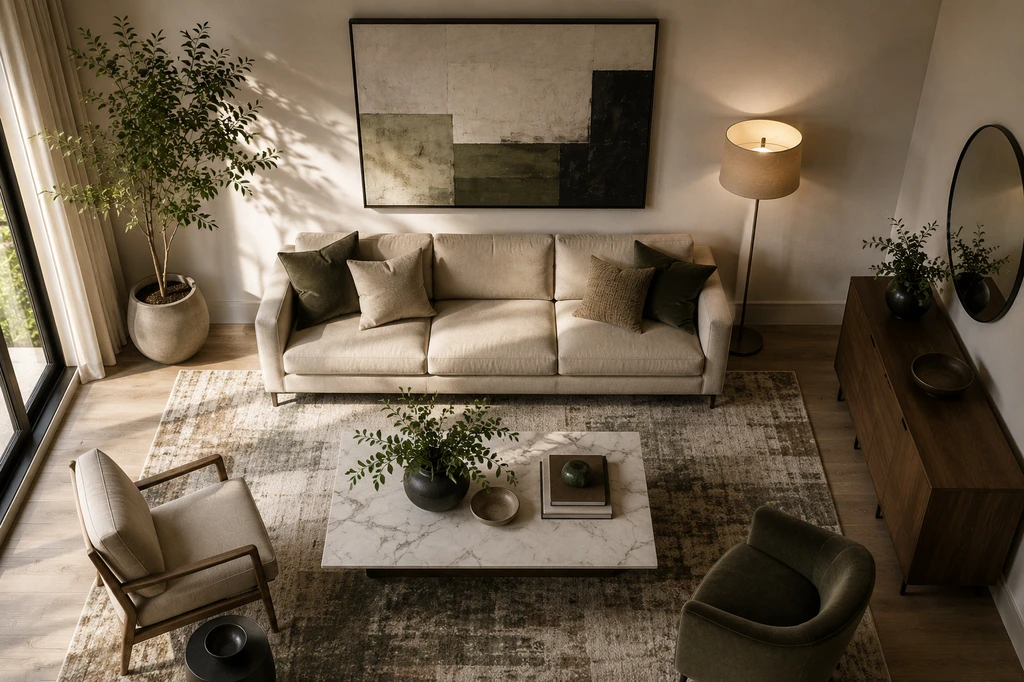
Consider if the artwork improves the feel of the furniture, lighting, and overall layout. Art that creates a sense of balance and intention will usually feel like it belongs, not just hangs. For design tips on integrating art and space, see how to visualize your home before renovating.
-
8. Does It Change How You Use the Room?
Great artwork can make a quiet corner feel inviting or a workspace personal. If a piece contributes to how you actually live in the room, by making it feel cozier, more inspiring, or more reflective of your habits, it’s usually the right pick.
-
9. Does It Still Work as a Subtle Background?
You don’t always need art to be a focal point. Some of the best choices gently lift a room’s mood in the background. If your space feels better with the piece, even when it’s not the star, the artwork is doing its job.
-
10. Will It Survive Future Room Changes?
Picture your home with different paint, furniture, or layouts. Does the artwork still fit? Reliable pieces can adapt as your needs and style evolve. For help visualizing potential in blank spaces or evolving rooms, explore our visualization tools guide.
-
11. Can You Honestly Say Why You Want This Piece?
If your only reason is to avoid an empty wall or jump on a trend, reconsider. The best-loved art usually has a clear reason for being chosen, whether it’s emotional, practical, or both. Strong reasons create lasting satisfaction.
Visualization Scenario
Imagine photographing your living room for a listing, one photo with a rushed, generic print on the wall, and another with artwork you genuinely love that fits your life. Which version feels honest and welcoming? The difference is easy for buyers (and yourself) to notice.
FAQs on Choosing and Visualizing Artwork at Home
- How can I avoid buying art I’ll regret later?
- Ask yourself if you’d pack it for a future move and whether you have a genuine reason for choosing it. Don’t rush to cover blank walls.
- Is it okay to buy art just to fill space?
- It’s better to wait for a piece you love or use creative alternatives like wall paneling (see our paneling ideas guide).
- What if my taste changes over time?
- Choose artwork that ties to a memory, interest, or lasting style. Such pieces usually adapt as your home evolves.
- Can visualization tools help me pick art?
- Yes, they let you see how potential artwork fits with room elements. Learn about visualization for art and room planning.
- How do I know where to hang a new piece?
- Place artwork on walls you see and walk past most. Prioritize sightlines important to your daily life.
A Room-First Mindset Prevents Art Regrets
Most people don’t regret buying unattractive art; they regret pieces that never felt right. Asking these questions helps you slow down and focus less on trends and more on what the piece truly adds.
Real designers and experienced homeowners know that great artwork rarely stands alone. It’s best evaluated within the overall context of a room’s function, layout, and daily life, something expert human judgment is built for. Visualization tools, such as the ones offered by Styldod, can give you a clearer picture before making your purchase, as shown in our guide to how room design tools change decision-making.


