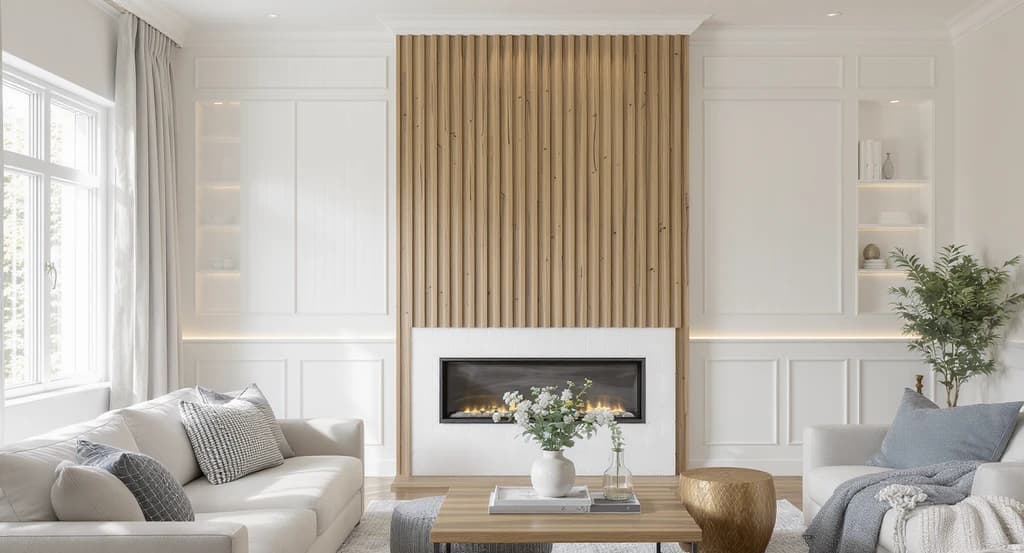
TL;DR
Choosing the wrong wall paneling isn't as costly as solving the wrong problem. This list breaks down 11 expert wall paneling ideas, each designed to address specific room issues making spaces feel taller, calmer, brighter, or simply more finished. Thoughtful solutions, not trends, guide results you can trust. See how expert visualization and human-centered design turn ordinary walls into standout features.
Why the Right Wall Paneling Makes All the Difference
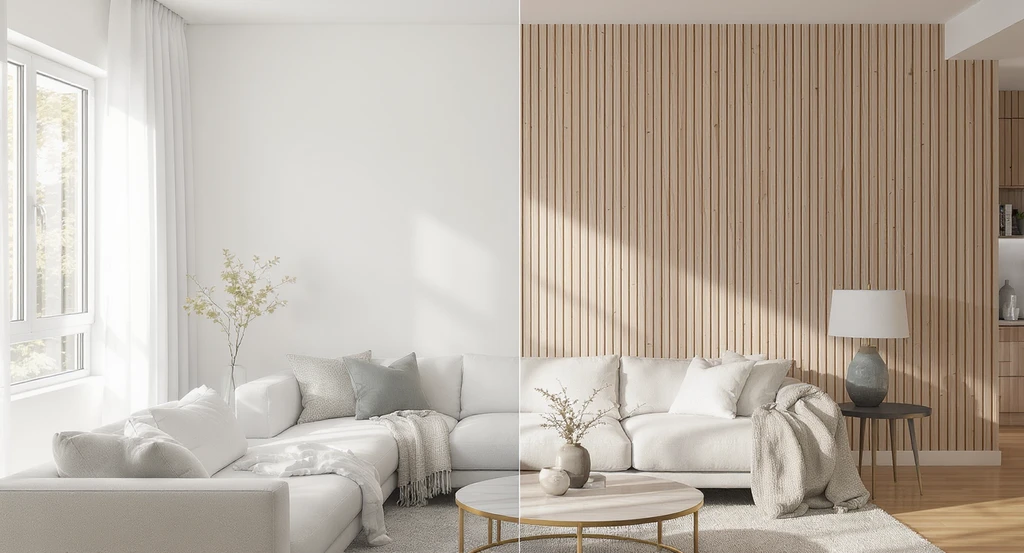
Choosing wall paneling ideas based on room problems—like lack of balance or awkward layouts—can help you visualize improvements, make smarter renovation decisions, and avoid common paneling mistakes that impact your home’s value.
If you've ever updated your décor only to find your room still feels awkward, cluttered, or just "off," you're not alone. Many people rush to add more furniture or decorations when the issue is actually with the walls themselves. The wrong paneling choice isn't just a design miss, it can also fail to address the real reason your space feels unsettled. The direct answer: The best wall paneling ideas are chosen to solve a specific problem in your room, not just for their style or trend factor. That’s why quality paneling decisions blend human expertise, judgment, and insight creating more believable, balanced, and comfortable spaces homeowners trust. When a room feels right, you might not even notice the paneling at first but you do feel the difference. Choosing solutions that fit your needs and context works far better than following generic trends or AI-rendered templates.
Start with what feels “off” in your space. The right panel solution will follow more easily.-
1. Make Low Ceilings Feel Taller with Vertical Paneling
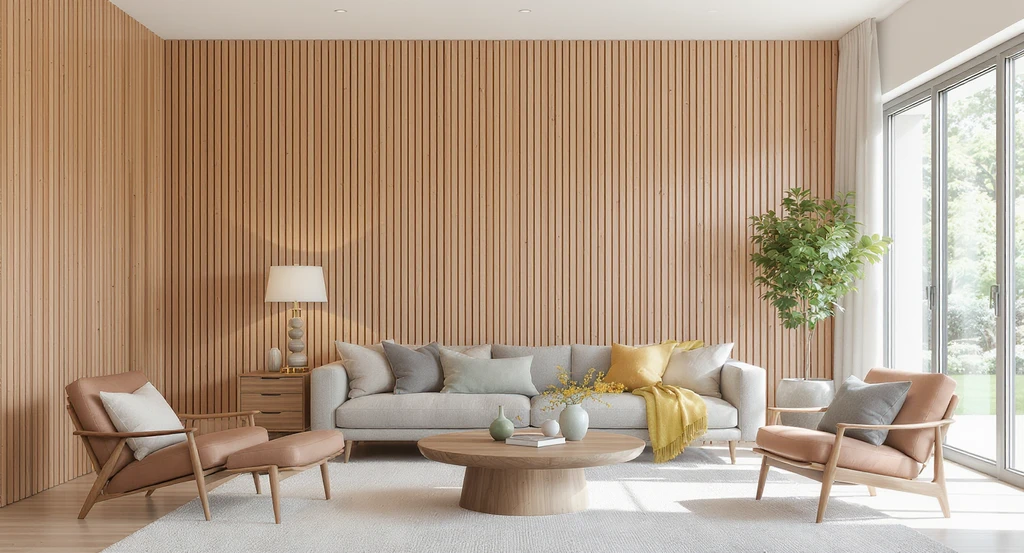
Choosing vertical wood paneling for low-ceiling rooms is a smart wall paneling idea that visually heightens ceilings and boosts perceived home value.
Rooms often feel small because they’re short, not just because of their floor space. Vertical slatted wood, fluted paneling, or shiplap draw the eye upward, making ceilings seem higher and spaces feel more open. As seen in our guide to calming living room decor, visual height tricks create instant serenity. Prioritize full wall installations for the strongest effect, and avoid competing vertical lines if the room already contains many tall furnishings.
Why does this matter? When ceilings appear taller, rooms feel less confined and more comfortable. This simple visual shift can make a space feel more inviting while also increasing its perceived value.
Expert Insight
A homeowner in a new-build apartment struggled for months to make her living room feel "right." After adding more furniture and décor without success, she worked with an expert who realized the true problem: the short ceiling and off-center window. After installing vertical paneling on the wall opposite the window, the room felt instantly taller, brighter, and more welcoming—no more guesswork, no wasted money.
-
2. Choose the Problem Wall, Not the Largest Wall
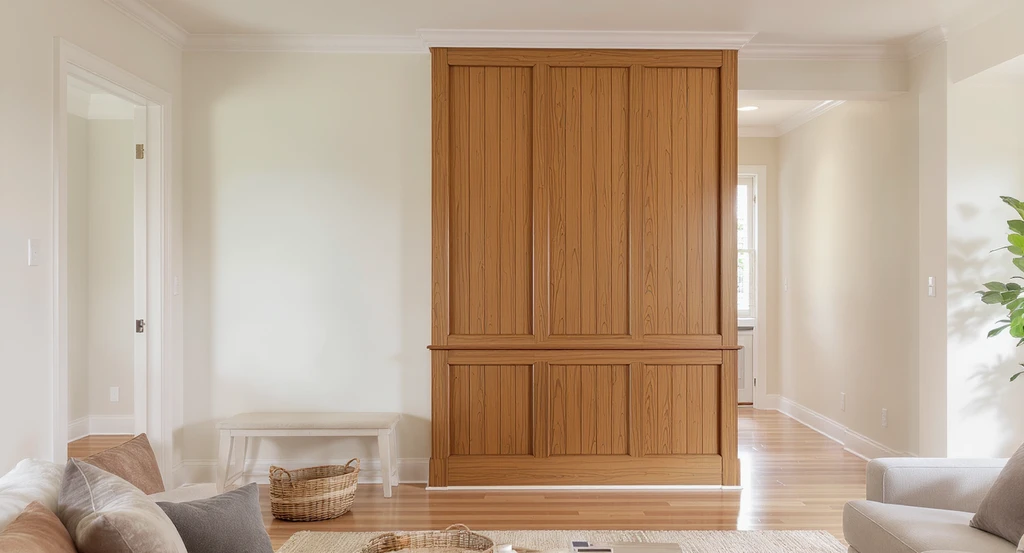
Applying wall paneling to a problem area, not just the largest wall, is a smart wall paneling idea for renovation decisions. Focused paneling helps visualize the impact of targeted changes, avoids common wall paneling mistakes, and can increase overall home value.
Many people automatically pick the biggest wall to decorate, but that may not be where the problem is. Instead, focus paneling efforts on the wall most responsible for awkwardness, darkness, or visual clutter. For example, if a small wall near the entrance always feels unfinished or messy, that's your target, not the obvious, empty expanse.
Why does this matter? Addressing the real pain point delivers a sense of completion and focus, so the whole room feels more harmonious. Strategic updates like this are what designers use to create a luxury feel on a budget.
-
3. Use Symmetrical Paneling to Fix Off-Center Windows
When a room feels slightly off-balance but you can’t pinpoint why, it’s often due to off-center windows. Balanced paneling layouts or picture frame molding trick the eye, restoring a sense of symmetry without needing construction.
Why does this matter? Visual balance makes a room feel intentional and welcoming, overcoming awkward floorplans. As we described in our calm decorating guide, even subtle symmetry can change your perception of a space.
-
4. Hide Storage Doors and Utility Spaces In Plain Sight
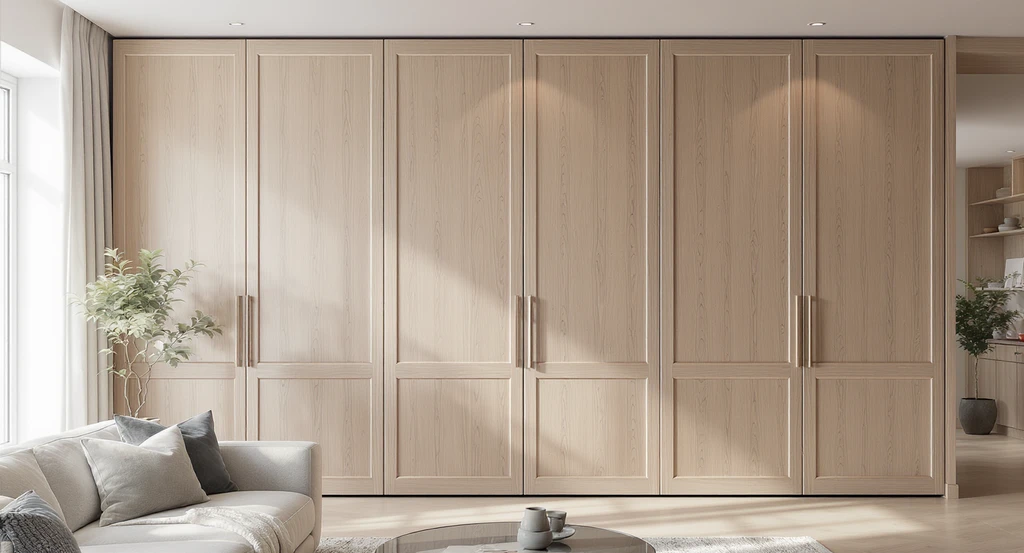
Seamless wall paneling hides storage doors and utility spaces, letting you visualize wall paneling changes and solve common room design problems for a calmer, more valuable home.
Too many doors or background storage create visual confusion. Continuous wall panels can hide closets, utility access, and storage spaces, making walls appear seamless and custom.
Why does this matter? Rooms feel more organized and high-end, and your eye can rest without bouncing between distractions. This kind of unobtrusive solution tends to make a space feel bigger, calmer, and more expensive.
-
5. Reduce Visual Noise Instead of Adding More Décor
A common mistake is adding decorative objects to solve chaos. Often, this adds to the problem. Using paneling to conceal cables, switches, routers, or other visual disruptions brings instant order.
Why does this matter? A visually quiet space feels calmer and more sophisticated qualities associated with aspirational, move-in-ready homes. As confirmed by our calm living room guide, serenity often comes from less, not more.
-
6. Borrow Natural Light Before Buying More Lighting
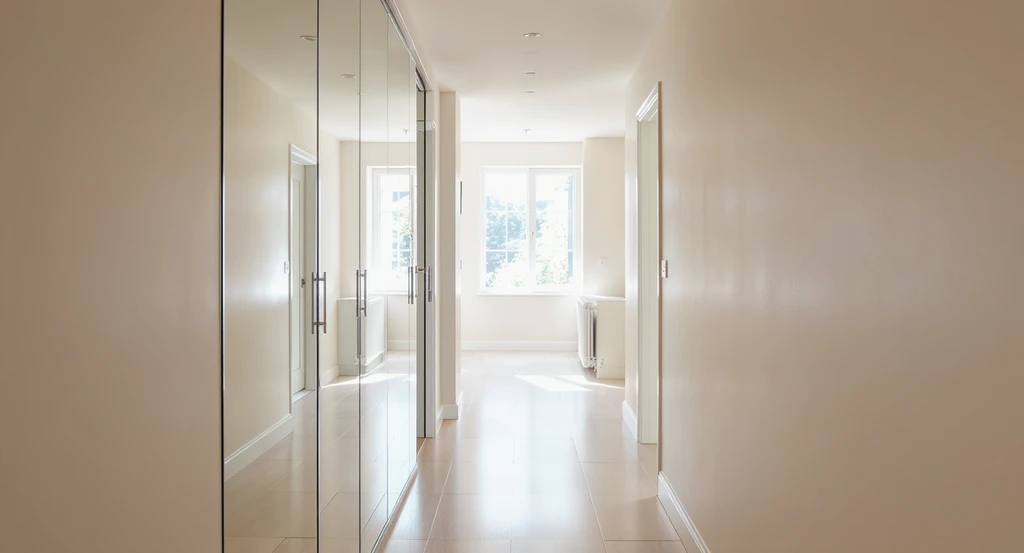
Mirrored wall paneling subtly spreads daylight in a hallway—an effective wall paneling idea for renovation decisions in dim or narrow rooms.
If a room feels dark, you don’t always need to add fixtures sometimes, mirrored or lightly reflective panels encourage daylight to spread deeper. This is most powerful in hallways or narrow rooms, but should be used thoughtfully: reflective surfaces will amplify both light and any nearby mess.
Why does this matter? Brighter spaces feel livelier and more open, saving you money on lighting and boosting mood. Visualizing these changes ahead of time can prevent costly errors and mismatched expectations.
-
7. Create Zones Without Filling the Room with Furniture
Open concept homes and studios often feel undefined. Paneling behind a dining nook or work from home space can carve out purposeful areas without adding more furniture.
Why does this matter? You gain practical space definition and organization ideal for growing families or changing needs without cluttering your rooms. Our post on visualization tools shows why planning layouts in advance makes all the difference.
-
8. Replace Decorative Clutter with One Strong Focal Point
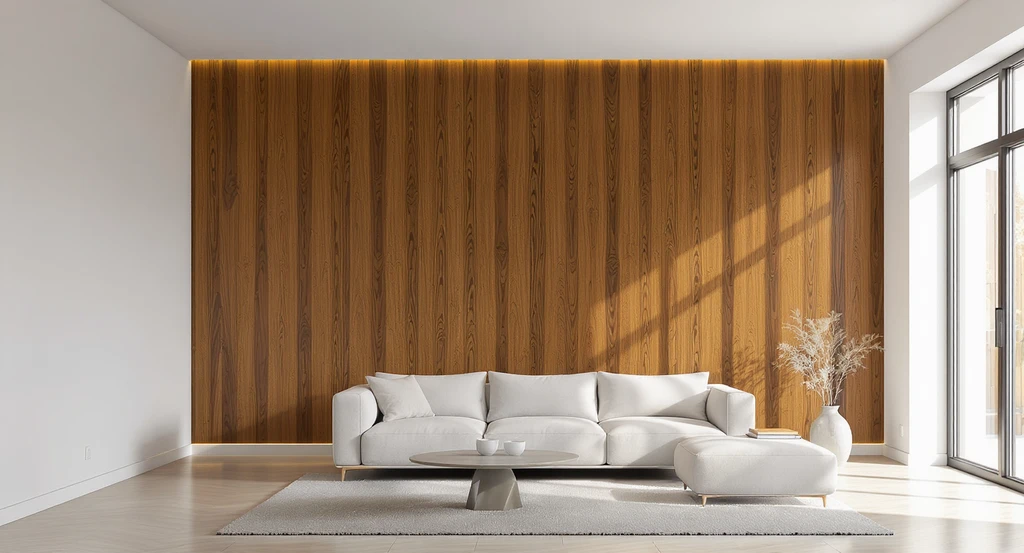
Choosing prominent wall paneling ideas for renovation decisions creates a unified focal point, helping avoid common wall paneling mistakes and visual clutter.
Rooms that keep accumulating shelves and art often lack a real focal point. Instead, let textured paneling or bold wall treatments create one feature spot.
Why does this matter? A single focal wall commands attention and unifies the room, minimizing the urge to keep decorating and reducing visual stress. As experts recommend in our luxury on a budget guide, clarity of focus feels far more expensive than lots of little details.
-
9. Use Acoustic Panels When Sound Is the Problem
If a room echoes or feels cold, acoustic wall panels absorb noise and add textured comfort. Sound has a powerful impact on how inviting a space feels, especially in open layouts, offices, or media rooms.
Why does this matter? Acoustic comfort can make the difference between a space you use often and a room you avoid. Thoughtful panel choices can improve both the atmosphere and your well-being.
-
10. Make Builder-Grade Finishes Feel Intentional
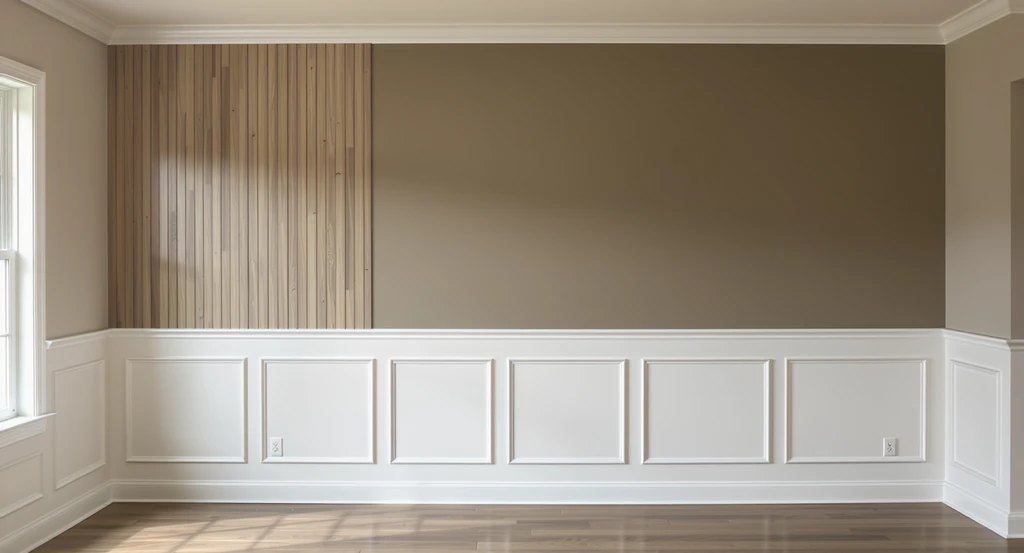
Upgrading builder-grade finishes with elegant wall paneling transforms a plain space—see how wall paneling ideas for renovation decision-making add value and prevent common wall paneling mistakes.
Many builder-grade homes or newly flipped spaces lack character and warmth. Adding wall paneling, be it traditional wainscoting, modern slats, or bold paint creates architectural interest and polish that’s hard to replicate any other way.
Why does this matter? These details convince buyers (and you) that the home was thoughtfully finished, not just quickly built. This subtle shift increases both emotional comfort and property value.
-
11. Choose Flexible Paneling for Rooms That Constantly Change
Some spaces like home offices, kids’ rooms, or creative studios need to support evolving activities. Adaptable pegboards or movable panel systems allow you to change the setup over time.
Why does this matter? Flexible walls outlast trends, giving you future-proofed usability and organization for years to come.
-
How to Decide Which Wall Paneling Solution is Right for You?
Don’t start with "What looks best?" Instead, ask, “What’s the biggest problem this room has?” If it’s low ceilings, vertical panels are your answer. If it’s darkness, opt for reflective finishes. For clutter, go for hidden storage. Unsure which would help most? Consider using visualization tools—as explained in our guide—to preview paneling in your actual space before you build. This eliminates guesswork, increases confidence, and ensures the changes feel right.
Visualization Scenario
Imagine seeing a realistic, human-curated visual rendering that shows exactly how different paneling styles look in your actual living room, before you build. This lets you confidently choose the design that feels inviting and balanced to you, not just what’s trending online.
Frequently Asked Questions: Wall Paneling & Room Design
-
How do I choose the right paneling for my room?
Start by identifying the room’s biggest problem (short, dark, cluttered, unfinished, etc). Choose a panel style that directly addresses that challenge. -
Does wall paneling increase home value?
Quality paneling improves perceived value by making rooms feel more finished, unique, and thoughtfully designed. -
How do I visualize wall paneling changes before committing?
Use visualization tools or professional rendering services (like the ones featured in our visualization guide) to preview changes in context. -
What wall paneling mistakes should I avoid?
Avoid solving the wrong problem (e.g., adding style when you need storage) and avoid installing panels on the largest wall by default. -
Why is human expertise important in choosing wall panels?
Experts see balance, proportion, and context—helping you avoid subtle mistakes that generic templates or AI often miss.
Key Takeaways: Thoughtful Paneling Solves Real Problems
Wall paneling works best when chosen with purpose and context, not just for visual effect. The right panels solve common pain points, making rooms feel taller, brighter, more organized, or even quieter. Homeowners and designers return to human-led visualization services for consistency, realism, and quality control that AI alone can’t match. If you're still unsure how to visualize wall paneling changes or want to avoid the most common mistakes, consider expert help for your property’s unique needs.


