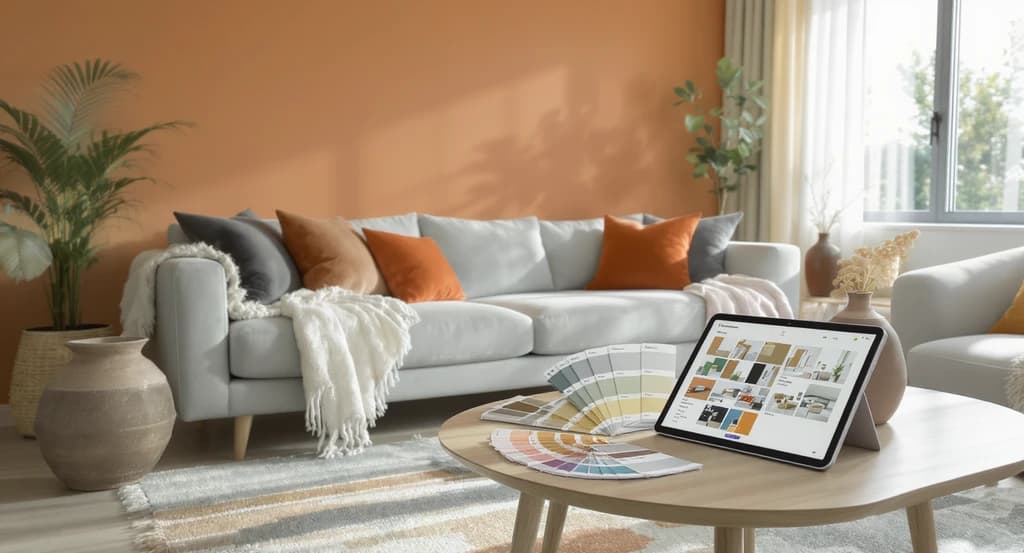
TL;DR
2026’s color trends prioritize warmth, nature, and comfort. Yet, the secret to creating visually compelling, believable spaces lies in the human touch. Experienced designers don’t just apply trendy colors—they interpret them so real buyers and homeowners genuinely respond. AI previews are useful, but only human expertise tailors color for trust, market needs, and maximum impact.
Why the Human Touch Still Defines Color Success in 2026
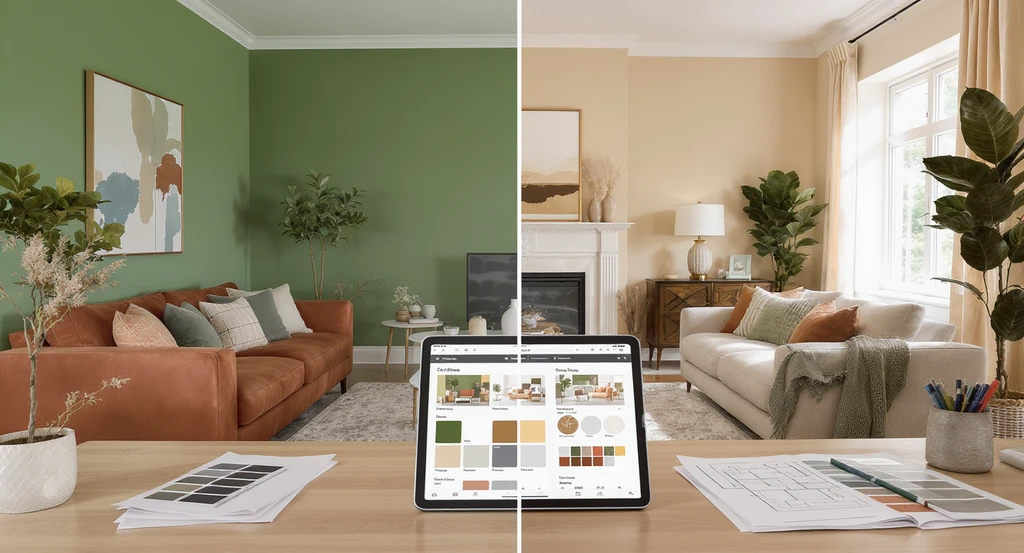
See how ai color visualization for home interiors 2026 compares to expert-guided staging—preview 2026 color trends with ai tools but rely on human expertise for authentic results.
If you’ve ever tried AI color visualization tools or browsed picture-perfect property images, you might sense that something sometimes feels flat or off—even if the palette is trendy. With 2026’s colors leaning heavily toward earthy greens, warm browns, terracottas, and restorative neutrals, there’s more at stake than just keeping up appearances. The short answer is: human expertise brings thoughtful judgment to interpret these color trends in ways real buyers and homeowners believe in. AI tools help us preview 2026 color trends quickly, but only trained designers can anticipate reactions, maximize architectural strengths, and stage spaces that feel authentic and truly inviting. If you want your listing or renovation to capture attention and boost buyer trust, it’s the difference you can see and feel.
Modern color tools make it easier to preview changes, but achieving results that improve listing performance—and actually feel like home—requires the judgment and context only real people provide. Here’s why human expertise still matters most for color staging, property marketing, and renovation decisions in 2026.-
1. Understanding Buyer Psychology and Emotional Impact
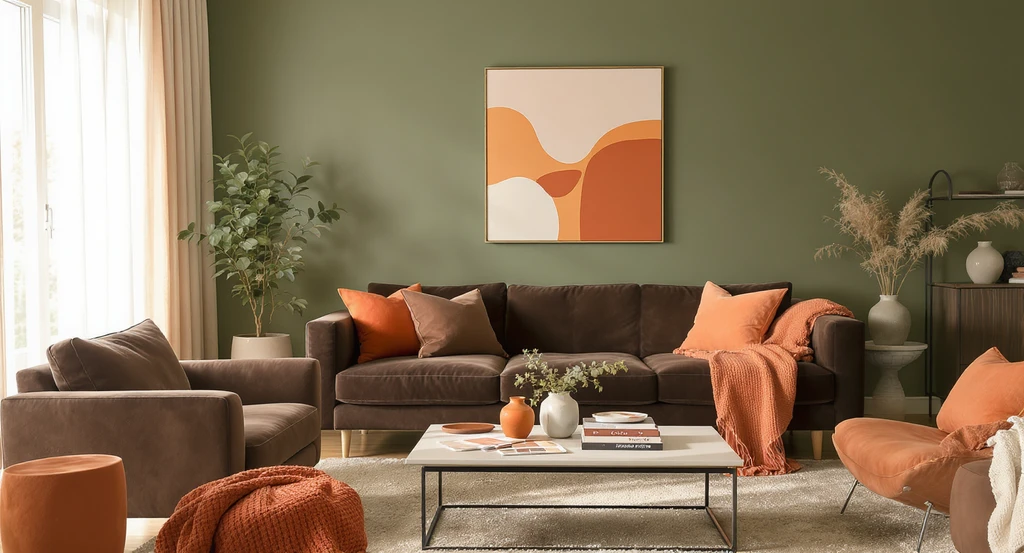
Discover how ai color visualization for home interiors 2026 and expert-guided ai home design combine to stage spaces that emotionally engage buyers using trending olive green, chocolate brown, and terracotta tones.
Staging or redesigning for 2026’s top colors—such as olive green or chocolate brown—is never just about following what’s popular. Human designers tune into how color influences mood, comfort, and trust. Earthy greens can calm nerves while subtle terracottas energize a space, which can make a difference for how buyers respond the moment they see a listing. Expert services ensure trendy Color of the Year palettes do more than look appealing in theory. Instead, they support the emotional atmosphere and connection that helps move a home from listed to sold. As we explored in our summary of 2026 interior design trends, it’s the feeling of a room that shapes buying decisions before a word is spoken.
-
2. Tailoring Colors to Real Architecture and Light
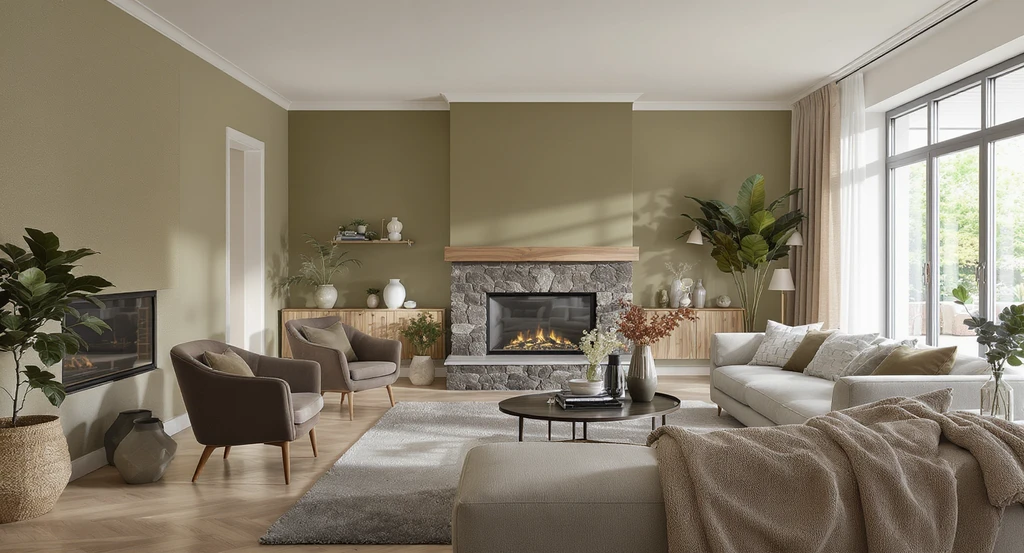
Expert-guided ai color visualization for home interiors 2026 ensures trending colors like olive and mocha reflect actual light and materials, illustrating the benefits of ai versus human expertise in color staging.
Trending color palettes never exist in isolation. Real-world lighting, finishes, and room configurations all affect how paint and decor appear. Experienced design experts and visualization artists know how to account for north-facing shadows, existing stone, statement woodwork, or open-plan layouts, creating renders that are authentic for each unique home. Generic AI tools often miss these subtle cues, producing colors that may look bright on a screen but feel wrong in person. Human guidance means olive, mocha, or khaki sits in harmony with your property’s character. As highlighted in our guide covering AI interior design versus reality, the best interiors reflect how trending colors interact with space and light—not just what looks good in software.
-
3. Spotlighting Texture and Layering for Realism
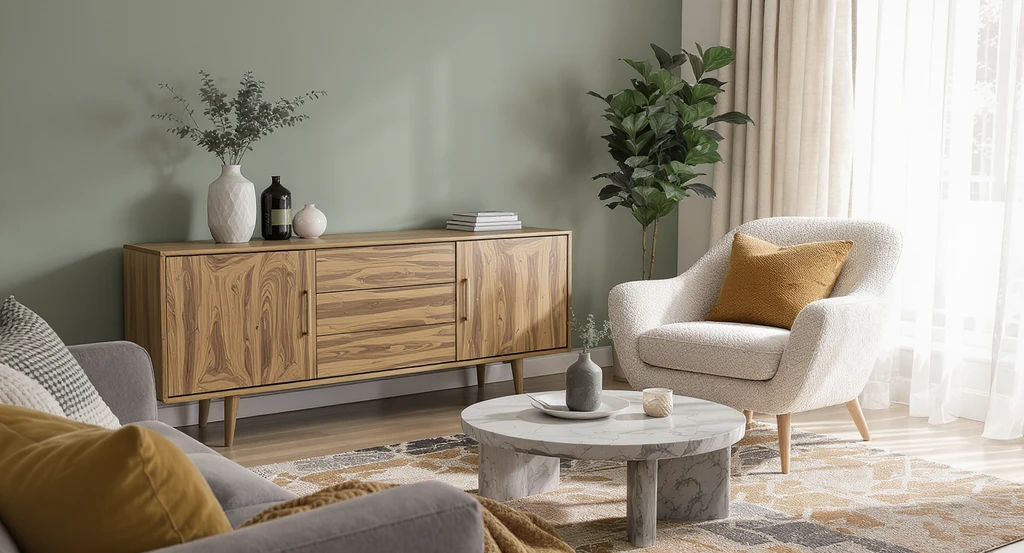
Expert-guided AI color visualization for home interiors 2026: Realistic room layering wood, stone, and textile textures previews the impact of trending shades on comfort and trust.
A color in isolation behaves differently than a color layered with natural materials, furniture, or textiles. Human designers excel at pairing trending 2026 shades with wood grains, stone finishes, and tactile fabrics, creating depth and interest that buyers inherently trust—and that magazine interiors have in abundance. This nuanced blending is a common area where AI-generated visuals can fall short, making elongated rooms or empty corners feel staged or artificial. As mentioned in our discussion of key 2026 bedroom trends, it’s the layering and realistic materials that help a space feel emotionally comfortable and visually trustworthy.
-
4. Avoiding the Most Common Color Visualization Mistakes
Jumping on trending hues can backfire if executed without expertise. Harsh color breaks, awkward transitions, or too many trends in one home are mistakes that savvy designers are trained to spot and avoid. AI-only workflows rarely pick up on subtleties like how color flows from room to room or how a striking wall color might visually shrink a space—a detail that can undermine buyer confidence. Professionals bring a holistic eye, ensuring every color choice in your listing, renovation, or Airbnb is cohesive, timeless, and visually balanced. Our guide comparing AI home design to interior designers underscores how human expertise catches those critical mistakes before they reach buyers.
-
5. Customizing for Target Audience and Function
Not every home—or every buyer—needs the same palette. Human designers can adapt recommendations to reflect your specific market, purpose, or buyer psychology. This means using warm, inviting taupes for broad appeal in resale properties, or going bolder in Airbnbs where first impressions drive bookings and Instagram photos. Their knowledge of local trends and property type ensures that what’s fashionable online converts to everyday liveability for real families and guests. As explored in our roundup of 2026’s top interior choices, customizing for the space and its audience can set a listing apart and boost overall return.
-
6. Enabling Smooth, Trustworthy Collaboration
Communicating about color and style often creates confusion with clients, teams, or investors—especially when only using software. Professional visualization services provide clear previews tailored to your project, adapting quickly to feedback and reducing rounds of revisions. This collaborative, human-centric approach is why clients consistently return for expert services: it saves them time, builds confidence, and improves final results. As highlighted in our guide on using visualization tools for renovation, expert-reviewed mockups help stakeholders understand changes before making costly decisions—giving everyone more trust in the outcome.
-
7. Achieving Listing Performance and Buyer Confidence
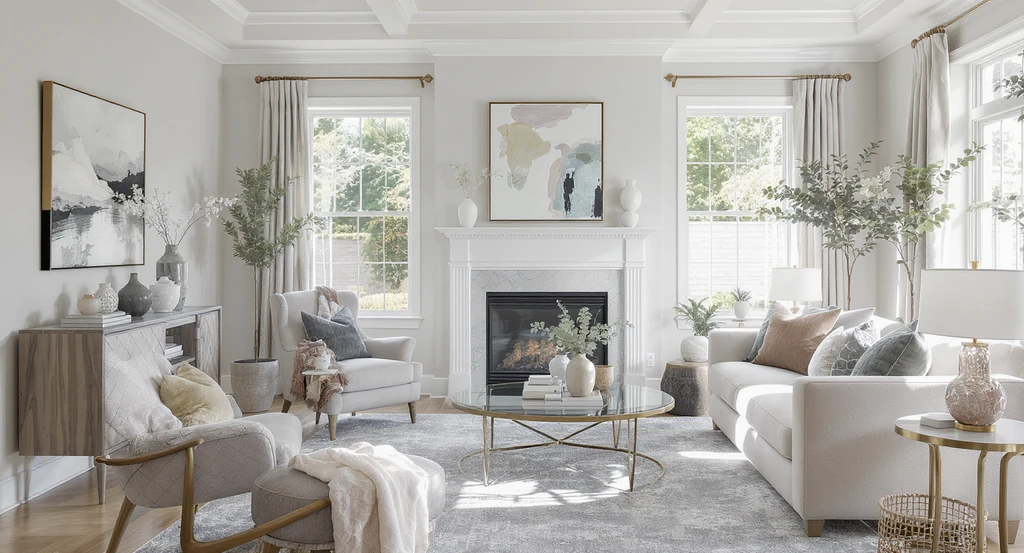
Expert-guided ai color visualization for home interiors 2026 creates ultra-realistic, move-in ready spaces that boost listing performance and buyer confidence.
A well-executed color strategy directly influences real estate listing performance and buyer confidence. Ultra-realistic visuals crafted by human experts create images that pop online, look move-in ready, and foster immediate trust. Shoppers increasingly gravitate to spaces that feel real—not generic color blocks. First impressions are everything: listings staged with professional, market-savvy color rarely feel dated or out of place, which is why agents and homeowners return for that extra level of polish. As our ongoing 2026 trend coverage makes clear, this level of human refinement drives more showings, higher offers, and ultimately a greater return. Learn why human input is key to listing success.
Frequently Asked Questions About 2026 Color Visualization
Yes—AI-powered tools let you see curated color palettes on your actual space. For best results, use human review to fine-tune for realism, as discussed in our guide on visualization tools.
Q2: Which 2026 colors suit most homes and buyers?
Warm neutrals, earthy greens, and muted blue-greens fit many spaces—but tailoring them to your architecture and lighting is crucial for believability.
Q3: How can I avoid accidentally making my space feel dated?
Pair trendy colors with timeless, nature-inspired bases. Working with experts helps you update without going overboard, as we explain throughout our 2026 trend guides.
Q4: Are professional color visualization services worth it if I have AI tools?
Yes. AI speeds up experimentation, but only human expertise customizes the result for your unique space, market, and buyer psychology.
Q5: Can these color strategies work for Airbnb or rental investments?
Definitely. Human designers specialize in adapting color for target guests, improving appeal and liveability. See more in our 2026 tips.
The Right Color, the Right Way: Human Judgment Is Irreplaceable
In the rush to visualize 2026 color trends, it’s tempting to rely on AI alone. But truly compelling interiors—the type that increase home value and boost buyer interest—require a calibration of trend, context, and emotion only real designers bring. Styldod’s expert services ensure your color choices are believable and tailored, so your space shines in both photos and in-person showings. If you want results that stand up to scrutiny and maximize returns, human-centered visualization makes the difference.