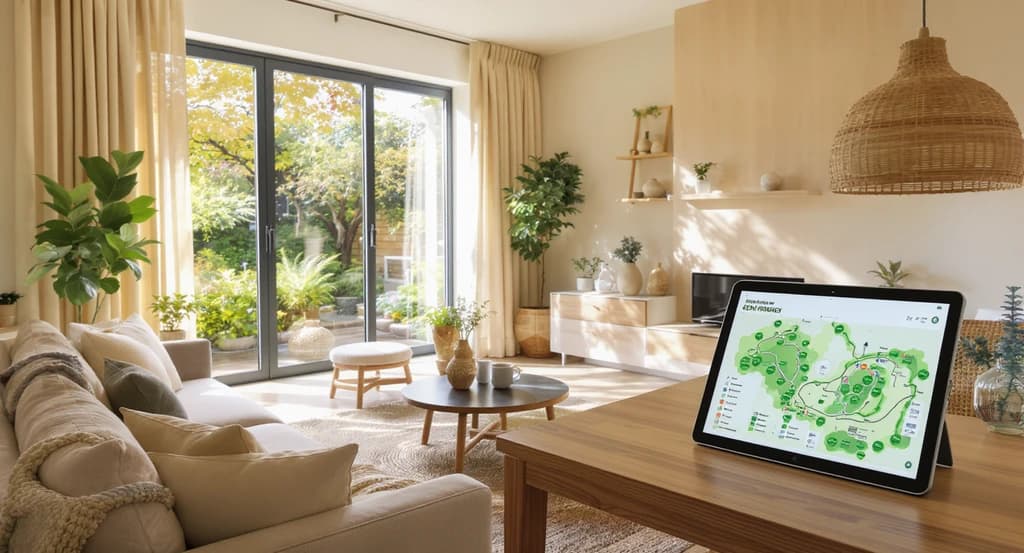
Why Human Expertise Still Matters in Sustainable Design
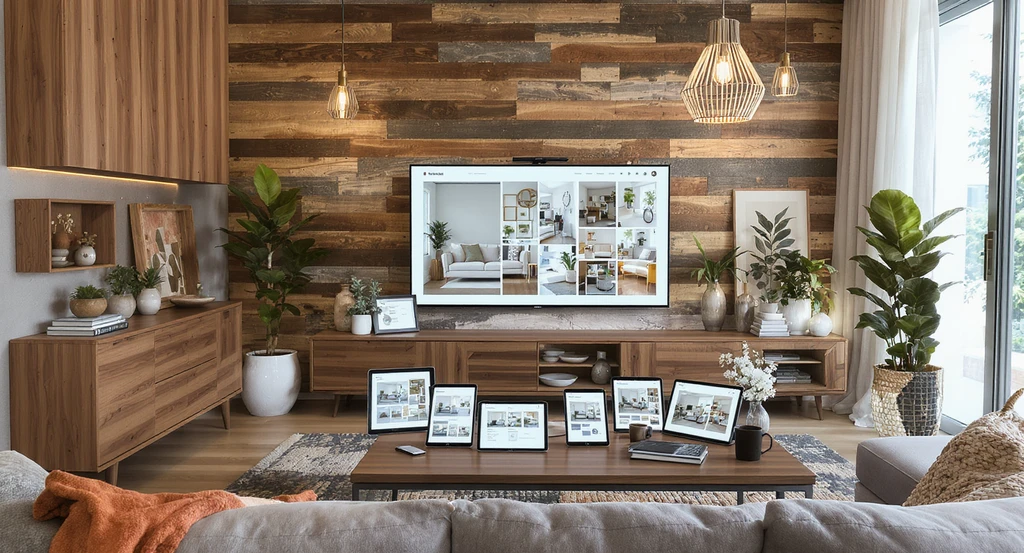
How ai-powered sustainable interior design solutions visualize eco-friendly home upgrades versus expertly-staged spaces, revealing why virtual staging for green property listings and the best ai tools for sustainable renovation planning must be grounded in real-world expertise to positively impact home resale value.
Many homeowners and real estate agents find that sustainable design advice often sounds good in theory but lacks practical guidance. AI tools can generate impressive visuals, but they don't always reflect what works in real homes or appeals to real buyers.
The simple answer: sustainable interior design delivers the best results when technology is combined with human expertise. Professionals bring judgment, realism, and design experience that help turn eco-friendly ideas into spaces people trust, enjoy, and want to buy.
Let's explore eight reasons why expert-guided visualization remains essential in sustainable interior design.
-
1. Realism Builds Buyer Trust
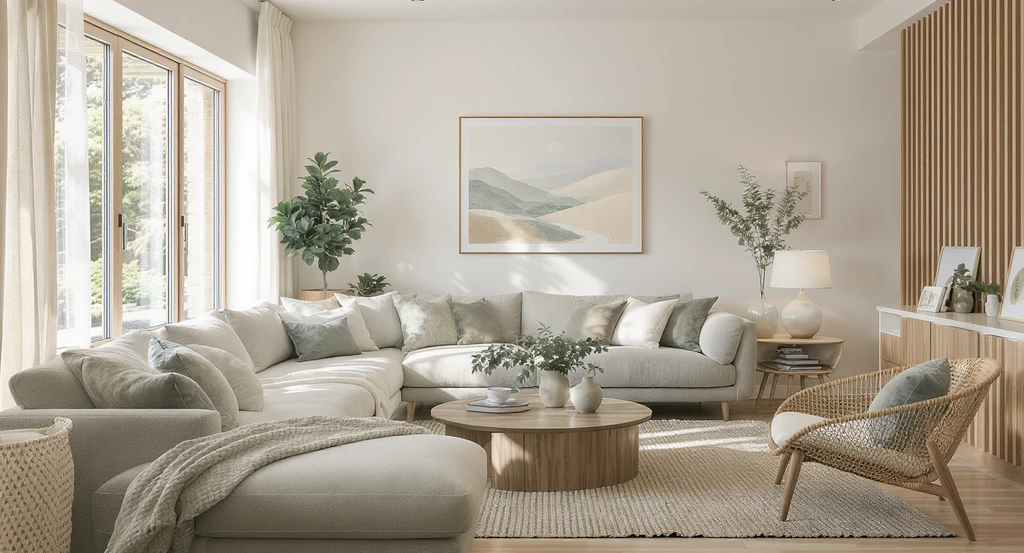
Ultra-realistic living room exemplifies how ai-powered sustainable interior design solutions create authentic spaces, building buyer trust in virtual staging for green property listings.
AI visuals sometimes look sharp, but experienced agents know when something feels off, even if the colors are ‘green’ or the finishes say ‘eco.’ Real buyers spot awkward layouts, unrealistic lighting, or impossible furniture. Human designers understand proportion, natural light, and how real spaces should feel. This means buyers see not just a pretty rendering, but a believable future home. As we discussed in our guide to how technology shapes real spaces, trust and emotional comfort come from subtle cues only experts reliably deliver. For home sellers and agents, this is what inspires serious interest, not skepticism.
-
2. Sustainable Choices Must Suit Each Space
Every property and client is different. A universal ‘green’ look rarely feels right for everyone. Human expertise adapts sustainable material selections to the real conditions of your space, sunlight, floorplan, local climate, client priorities. For example: Is bamboo flooring the right fit for your damp basement? Will recycled glass surfaces clash with your historic details? AI-powered sustainable solutions can visualize options, but only an expert can prioritize what’s practical and beautiful long term. That’s how lasting value is built, which we’ve highlighted in our analysis of why visualization tools matter.
-
3. Human Judgment Sets Priorities (Not AI Templates)
Not every sustainable upgrade delivers the same impact for budget, property value, or comfort. Experts know which changes, like insulation, natural light improvements, or durable floors, actually move the needle for your goals and location. In contrast, most “AI design” tools pull from generic templates. This makes it easy to overlook which green features will resonate with buyers in your market or support healthy daily living. Our honest review of sustainability blog trends shows how often this crucial context is missing.
-
4. Visualization That Prevents Waste Before You Commit
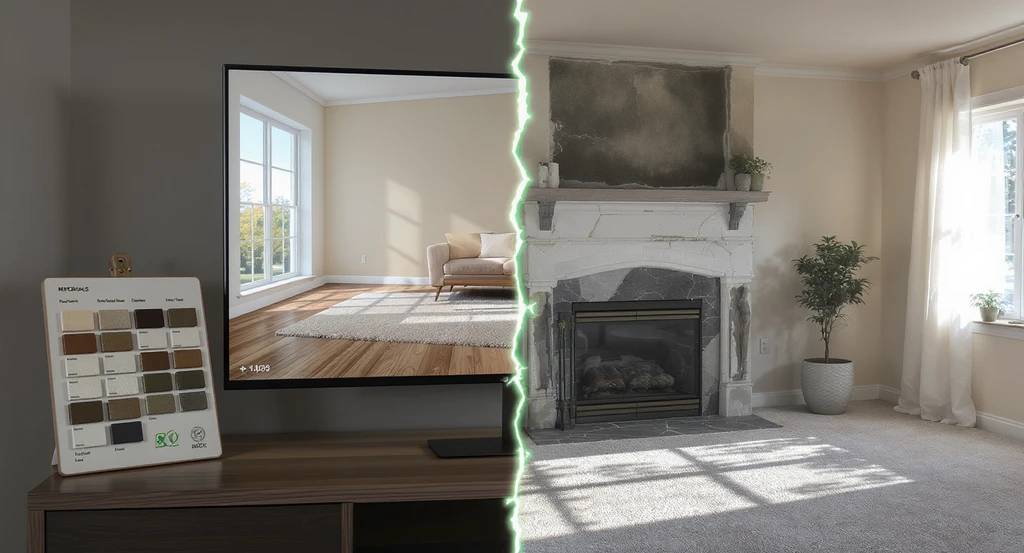
See how ai-powered sustainable interior design solutions preview eco-friendly upgrades before renovation. Virtual staging helps prevent waste, improve green renovation planning, and boost home resale value.
One of the best ways to avoid eco-unfriendly renovation mistakes? See the outcome before you start. Human-guided virtual staging and rendering allow you to preview material combinations, colors, and layouts, catching clashes or impractical choices. Unlike AI-only tools, human editors spot issues automation misses: shadows, scale, awkward transitions, or how real people will move in a space. This leads to fewer costly revisions, less material waste, and results that feel finished. Dive deeper into this idea in our post on visualizing your renovation before building.
-
5. Emotional Connection Sells Sustainable Upgrades
Buyers don’t just see solar panels or eco sinks, they imagine life in a healthier, brighter, more comfortable home. Effective visualizations make that possible: styling, soft natural daylight, furniture that looks livable, and subtle cues like clean air and quiet. Human stylists use decades of buyer psychology to stage green features as part of an appealing, relatable story, increasing engagement and perceived value. AI alone can’t replicate those emotional touchpoints consistently.
-
6. Small Details Matter in Sustainable Design
Small things, accurate daylight, realistic greenery, proper material texture, can make a ‘sustainable’ design feel either inviting or uncanny. Automated staging often repeats props, misses local requirements, or uses plants and finishes that aren’t climate-appropriate. Human experts notice these details and audit every render for authenticity, as underscored in our explorations of how interior design technology integrates with expert oversight. This kind of realism drives buyer confidence and repeat business.
-
7. Clients Return for Consistency and Confidence
When real people review every order, you get consistency, realistic results, and less need for revisions. Agents, developers, and homeowners choose expert services again and again, not just for the quality, but to avoid disappointments common with automated AI output. Human teams can discuss project goals, adjust to feedback, and ensure green upgrades actually look and function as promised. This easy, refined collaboration is why clients investing in sustainable presentation visuals trust expert teams to deliver every time.
-
8. Technology Guided by Expertise
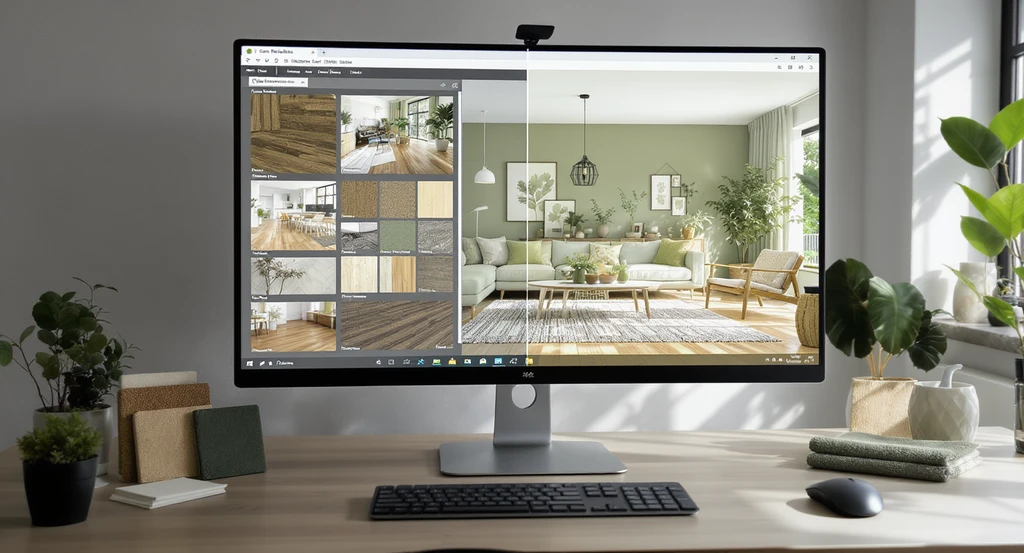
How AI visualizes eco-friendly home upgrades: advanced virtual staging for green property listings and curated sustainable materials, demonstrating the impact of AI-powered interior design solutions on home resale value.
The future is not AI-only. The best sustainable interiors combine advanced visualization tools with human direction. Experts leverage AI-powered sustainable interior design solutions, from material previews to virtual staging for green property listings, but add the insight to select, refine, and explain what’s best for each project. As we learned exploring the best AI tools for renovation planning, real experts turn technology into outcomes you can actually use.
Frequently Asked Questions
Yes. Listings with believable, professionally staged visuals of green features often see higher engagement and build better buyer confidence than generic representations.
Q: What AI-powered sustainable interior design solutions do professionals prefer?
The most effective use trusted visualization tools guided by human oversight, so upgrades look realistic and match real-world needs. Learn more from our review of leading AI tools for renovation.
Q: Can I use virtual staging to market eco-friendly upgrades?
Absolutely. Virtual staging for green property listings lets buyers see sustainable features in context, making upgrades more compelling. As explored in this post on visualization tools, this clarity drives smarter decisions.
Q: Will expert editing really improve my sustainable renovations' photos?
Professional review always improves believability, detail, and presentation quality—giving buyers the emotional trust to take the next step.
Q: How do I know if a sustainable design is right for my property?
Work with an expert who understands both green options and your space’s unique requirements. Visualization and human feedback help you test ideas before you commit, minimizing waste and maximizing value.
The Bottom Line: Why Human Expertise Matters
Sustainable interiors are about much more than eco labels and digital renderings. If you want results you (and buyers) can believe in, combine the strengths of design technology with professional expertise focused on trust, realism, and real-world impact. The best outcomes are never just about looking green, they’re about living better, presenting better, and selling smarter.