-
1. Design Decisions Shift From Theory to Reality
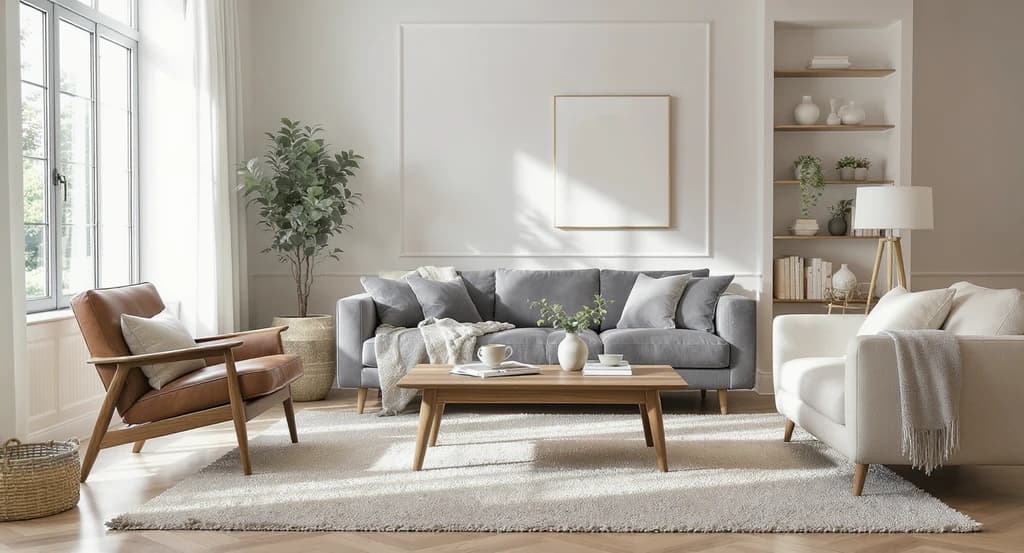
Using real furniture transforms AI home design by letting you visualize how your own pieces fit, match, and blend in a space. This demonstrates the benefits of designing with existing furniture and personalizing home design with AI tools.
Without your own furniture, design talk circles around colors and mood boards. But once you see your real sofa, table, or bed in the plan, everything becomes clearer. Suddenly, it’s about practical questions: Does the couch overwhelm the room? Is there enough circulation space? Do the surfaces and fabrics match the vibe you hope for? As described in our post on scale and proportion, genuine scale and layout only become obvious once real items are involved.
-
2. Spaces Feel Anchored Instead of Empty or Overdone
Generic visuals often feel either barren or too staged. A well-loved armchair or unique dining table anchors the room. The eye finds a focal point, giving the room character and reducing visual fatigue. This builds buyer confidence, as studied in what makes listings feel like home. Human designers understand how to build this sense of trust and comfort around signature pieces you already own.
-
3. Visual Trust Improves, and So Does Buyer Confidence
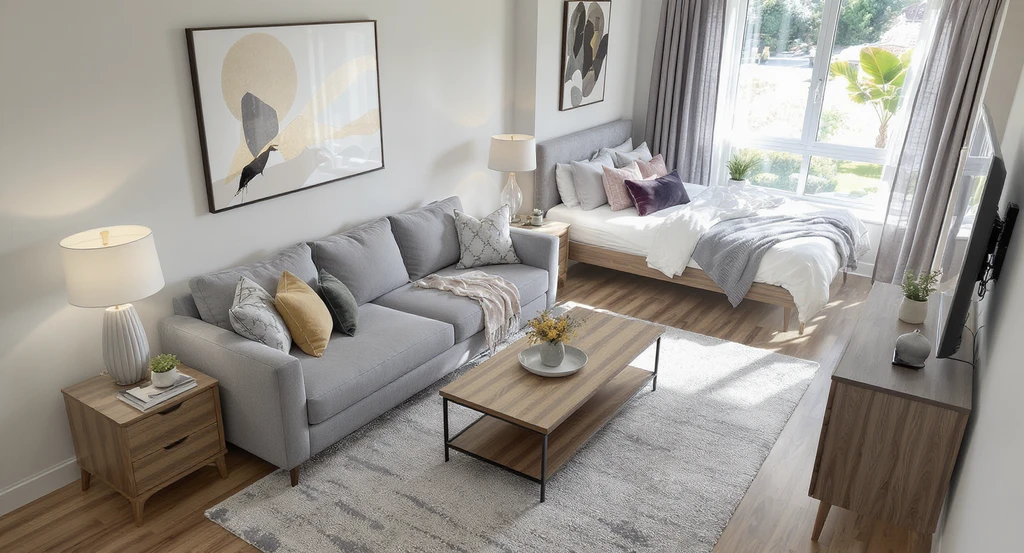
Real furniture with natural wear and inviting placement shows how real furniture transforms AI home design and boosts buyer confidence. Using your own pieces in ai room visualization makes spaces feel authentic and highlights the benefits of designing with existing furniture.
Nobody entirely trusts a mock-up that looks like a catalog. Real furniture, with its unique scale and wear, signals authenticity and stability. Human editors can subtly enhance images so they feel inviting but never fake. When buyers see believable rooms, they’re more likely to imagine living there, and less likely to feel misled. As we explored in our calming living room guide, small cues such as furniture placement and natural wear help rooms feel approachable and real.
-
4. Room Flow Becomes More Natural
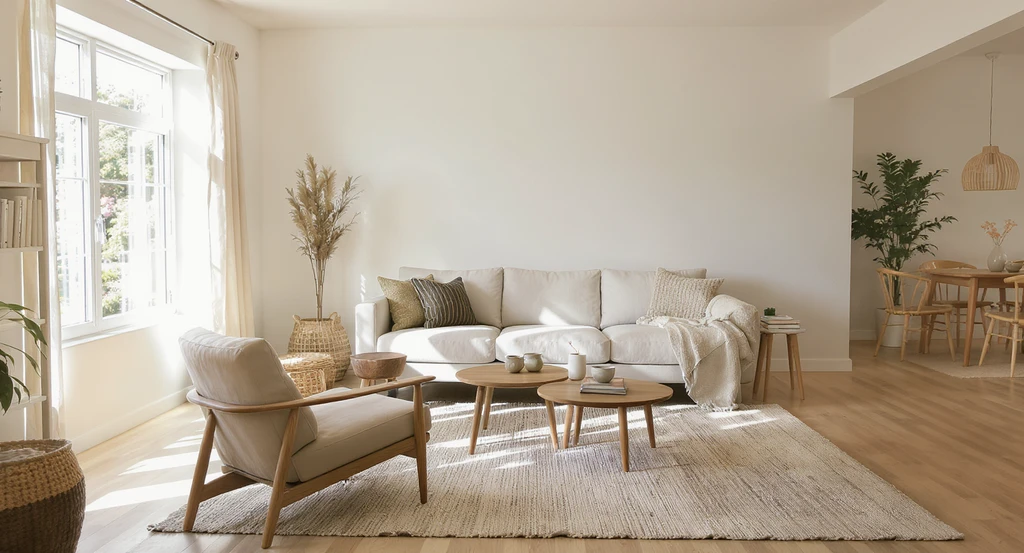
Designing with real furniture transforms ai home design by revealing natural room flow and personalized layouts, unlike generic ai templates.
Too many automated designs ignore daily movement. Human-centered design considers how people walk, gather, and interact. For instance, floating your own sofa may define conversation spaces better than pushing new pieces against every wall. According to our guide on scale and layout, flow is vital: Your real pieces reveal bottlenecks or wasted corners that templates always miss.
-
5. Smaller Updates Pack a Bigger Punch
With personal furniture as the foundation, you often find that changing a rug, wall color, or curtains transforms the entire atmosphere. This practical, budget-friendly approach prevents unnecessary spending and encourages smarter design decisions, as covered in our post on dining room details that matter. Human experts are adept at spotting which changes truly elevate your space and which distract from what you already do well.
-
6. Emotional Comfort and Authenticity Shine Through
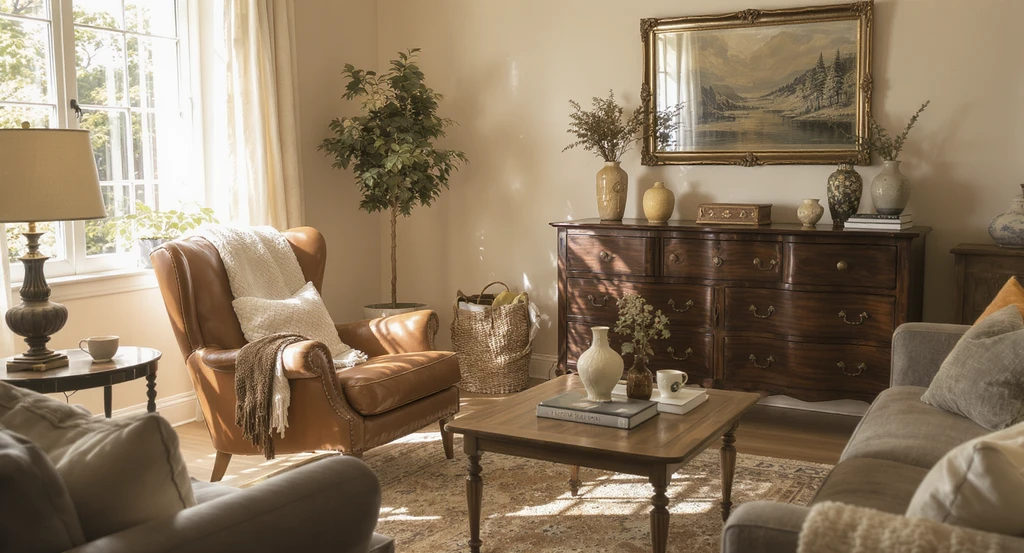
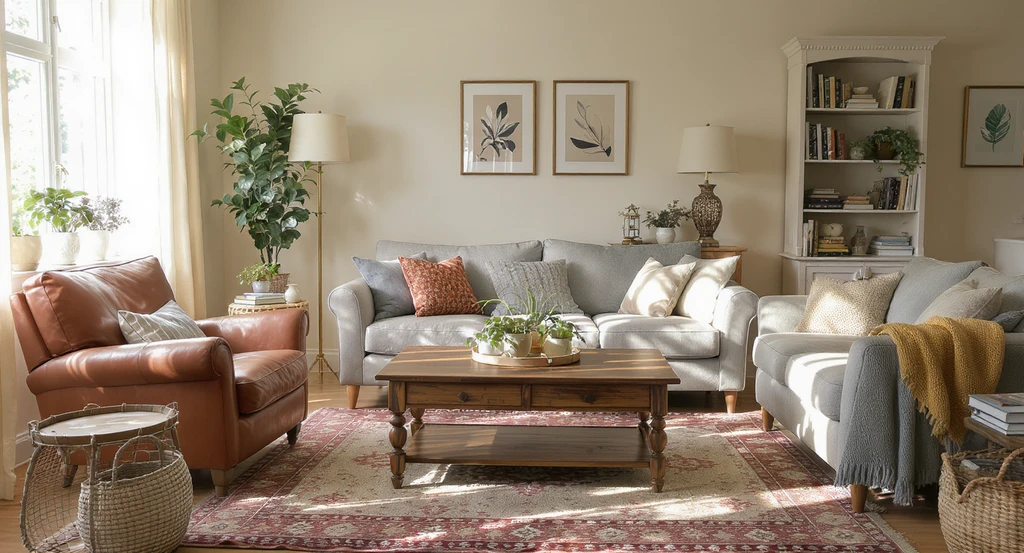
Layering real, meaningful furniture—such as a favorite reading chair and inherited dresser—highlights how real furniture transforms ai home design. Discover the benefits of designing with existing furniture and personalizing spaces using ai room visualization that blends old and new pieces.
Rooms layered with personal, meaningful items feel warm and distinctive, unlike generic visuals that can look cold. Designers recognize that a favorite reading chair or inherited dresser carries identity and comfort. These visual anchors help every person in the home connect with the space, as explored in our home feeling research.
-
7. The Whole Family (or Team) Gets Involved
When you’re designing around existing furniture, everyone can join the conversation. Decisions become more collaborative since each person can react to familiar pieces, not just generic samples. This speeds agreement and creates spaces that reflect shared needs. Experts facilitate these discussions by setting priorities and guiding choices, making the process feel supportive rather than overwhelming.
-
8. Sustainable Design Is Easier When You Keep What Works
Replacing high-quality, functional furniture just for the sake of change isn’t always smart, or eco-friendly. Working with what you already have avoids waste and extends the lifecycle of valuable pieces. AI visualization is most effective when guided by human sensibility: blending old and new, updating styles without losing personality, and investing only where it meaningfully improves your home.
-
9. Clients Return for Realism and Fewer Revisions
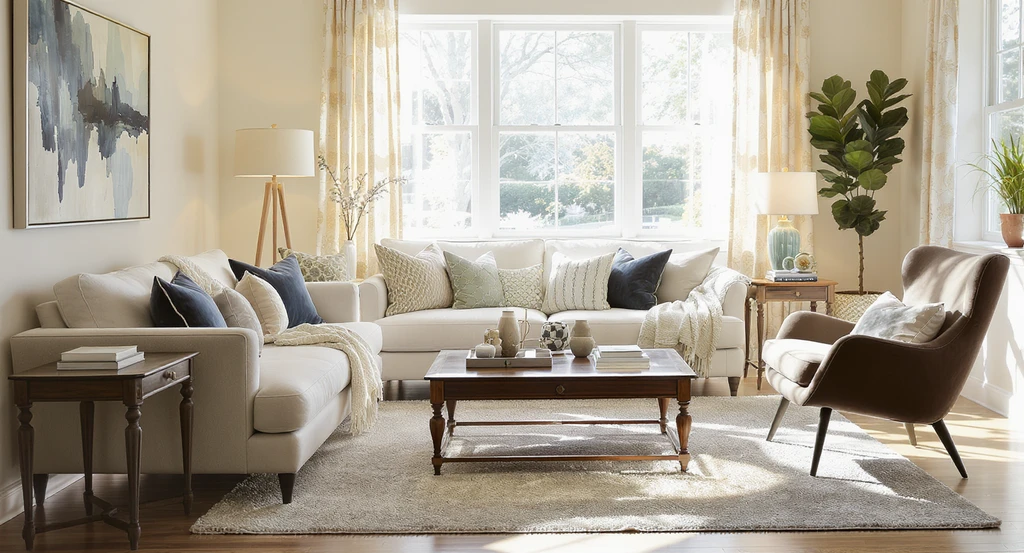
Expert-design visuals reveal how real furniture transforms AI home design, illustrating the benefits of designing with existing furniture and natural layouts.
People who work with Styldod’s expert services often return because of consistency, trusted results, and the ease of collaboration. Human designers notice subtle details that automation misses, like slight tweaks in layout or refining shadows, so the visuals feel believable and need fewer revisions. Over time, this means less frustration and homes that keep improving with every redesign.
Frequently Asked Questions
- Can I redesign my home without replacing all my furniture?
- Absolutely. Many makeovers update paint, lighting, or décor while keeping existing pieces. This saves money and preserves what makes your room unique.
- Why should my real furniture guide the design?
- Your own pieces determine layout, balance, and atmosphere. Designing around them leads to recommendations that actually fit your space.
- Will old furniture work with new styles?
- Often yes! A new wall color, modern lighting, or fresh accessories can help traditional pieces fit beautifully into a fresh look.
- Does designing this way save money?
- It usually does. By investing where it counts—like textiles or color updates—you can refresh a room without major costs.
- What if I rent or plan to move?
- This approach works for renters too. Many updates—like rugs, curtains, or layout tweaks—don’t require permanent changes.
Bring What Matters Most Into Your Next Design Conversation
Whether you’re a homeowner, designer, or agent, starting with the furniture you love ensures every design feels personal and real. AI tools are most powerful when steered by human experience, balancing scale, flow, and emotion so each room reflects how you truly live.
So, before planning any makeover, ask: What pieces do I want to build around? That answer is the best place to start for a space that fits, functions, and lifts your every day.