TL;DR
A room can look stylish but still feel uncomfortable if scale and proportion are off. Human expertise helps create balanced spaces that feel natural, comfortable, and believable. Focusing on the way objects relate rather than just what they are often makes the biggest impact, especially in real estate visuals and home design.
When Beautiful Rooms Don’t Feel Right: How Human Judgment Fixes What Style Alone Can’t
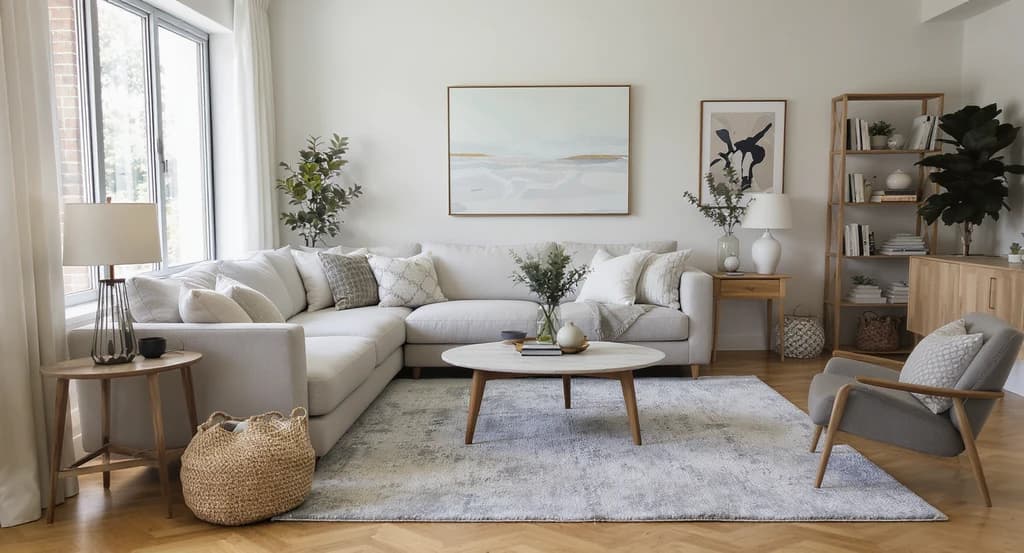
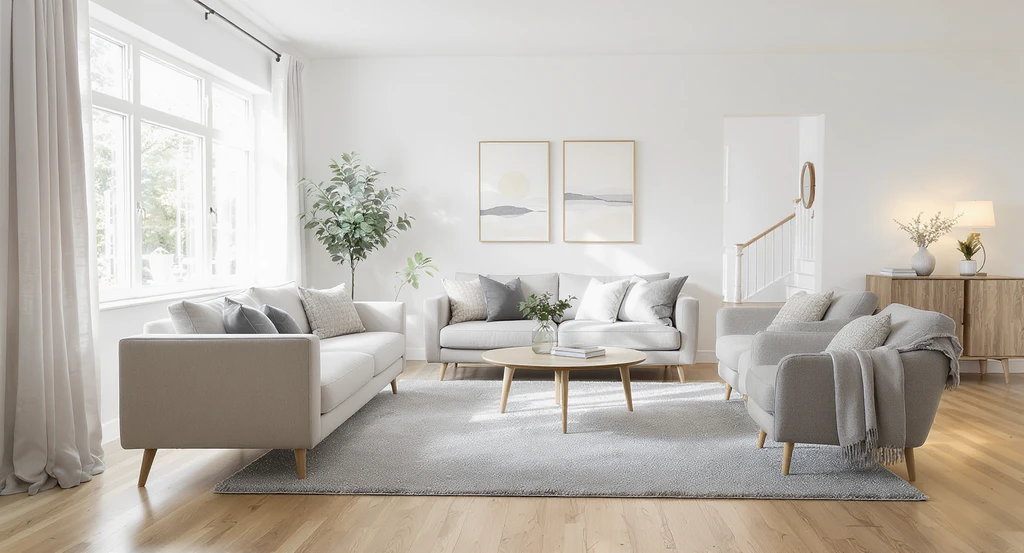
How to choose furniture that fits your room starts with understanding scale and proportion. This living room highlights common mistakes when buying furniture—illustrating how to visualize and arrange pieces for true comfort.
If you’ve ever copied a room you loved online and wondered why yours still feels off, scale and proportion are often the reason. Scale is how objects fit the room, while proportion is how they relate to each other. When these relationships are out of balance, even beautiful rooms can feel awkward. Creating spaces that feel comfortable, believable, and inviting still relies on human design judgment.
Why Does This Matter?
People judge a room within seconds. Good scale and proportion make spaces feel balanced, inviting, and easy to trust. Whether you're decorating, staging, or photographing a space, these details often have a bigger impact than style alone.
-
1. Room Feels Smaller Than It Really Is
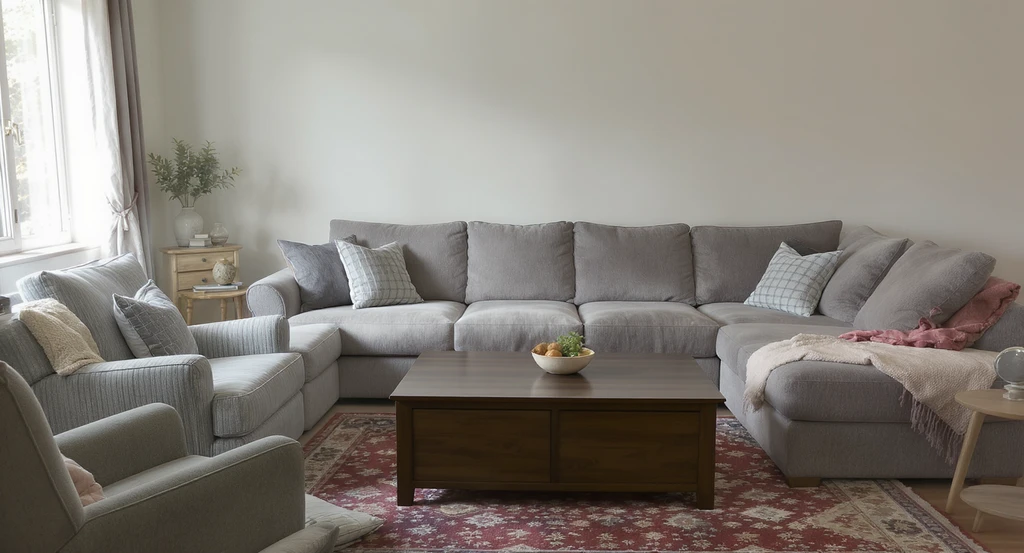
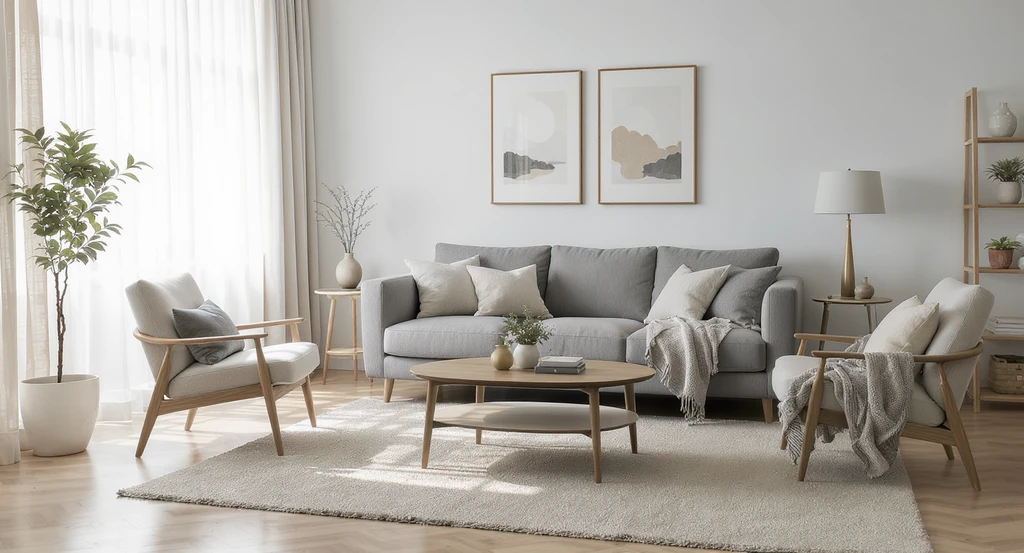
Oversized furniture disrupts comfort and flow—a common mistake when buying furniture. Learn how to choose furniture that fits your room, visualize furniture in your space, and use scale and proportion for a balanced, comfortable layout.
You don’t need a small room for it to feel cramped. Oversized furniture, bulky coffee tables, or blocked walkways can make even a larger room feel tight. Most people judge space by how easily they can move through it, not by square footage. That’s why good design focuses on flow and breathing room. If a room feels crowded, adjusting the layout or choosing better-sized furniture can make a noticeable difference. See our tips for arranging small apartments for maximum flow.
Expert Insight
A family once bought a beautiful dining set they saw in a catalog, only to find it left their room crowded and their gatherings awkward. With expert help, swapping out chairs and moving the table brought instant comfort. The room didn’t need a redesign, just better proportion and human-centered layout.
-
2. Playing It Safe With Furniture Sizing Can Backfire
```html
Many people buy smaller furniture to avoid crowding a room, but that can make the space feel disconnected. A sofa, rug, or coffee table that’s too small often makes a room look unfinished. Good design isn’t about choosing smaller pieces—it’s about choosing pieces that fit the room and work well together. Our expert guide explains why human judgment matters for these details.
-
3. Your Eye Notices Imbalance Before Noticing Style
Style and color trends catch attention, but our brains instinctively register balance and proportion first. That’s why even the most on-trend room can feel uncomfortable if things just don’t fit: artwork that’s too small, mismatched armchairs, or a dining table squeezed against a wall. These subtle signals are triggers for trust and comfort in real estate visuals. Human editors are trained to spot these little misalignments—a skill automation often misses. Explore which dining room details make the biggest difference.
-
4. Copying “Pinterest Rooms” Can Still Miss the Mark
Ever bought the same sofa as in a showroom photo, only to find it looks awkward at home? The same item fits differently in different surroundings. Room width, ceiling height, lighting, and even empty space all affect how something feels. This is why professional stagers consider the whole space and not just individual pieces. Copy-paste decorating rarely works; seeing relationships and imagining how they’ll appear to buyers calls for real-world expertise. Discover how designers avoid overwhelming rooms by watching scale and connection.
-
5. Comfort Comes From Human-Centered Layouts, Not Just Decoration
We judge rooms by how we move and live in them, not by wall size. Clear paths to walk, seats at a comfortable height, and tables within reach help a room feel natural. If people instinctively know where to sit and move, the space feels inviting. Designers and real estate stagers use their knowledge of buyer psychology and everyday use to create these layouts. Relying on only technical drawings or automated visuals can miss the subtleties of comfort.
-
6. Photos Reveal Proportion Mistakes Instantly
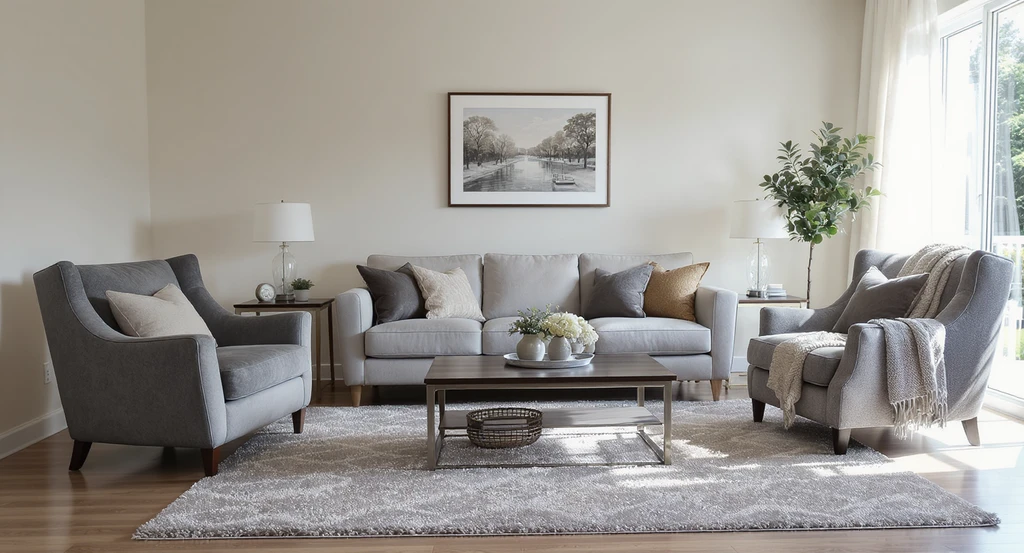
Photos can reveal common mistakes when buying furniture, such as wrong artwork, rug, or seating scale. Learn how to visualize furniture in your space and use tips for arranging furniture for comfort and proportion.
Sometimes a room feels fine in person but looks odd in photos, a common problem in real estate marketing. Small artwork, oversized furniture, or a rug that’s the wrong size tends to “jump out” in images. That’s why professional editors view photos with a critical eye, catching errors that generic processing can miss. For example, artwork is often best at half to two-thirds the width of the furniture beneath it. Getting these small details right makes properties photograph and sell better.
-
7. Rugs That Are Too Small Undermine the Whole Room
A too-small area rug leaves furniture awkwardly arranged, highlighting common mistakes when buying furniture and how to visualize furniture in your space. Proper scale and proportion create a cohesive, comfortable room.
Rug size is one of the most common scale mistakes. When a rug is too small, furniture looks lost, and the room loses its sense of place. Human experts know how to visualize furniture in your space and anchor seating arrangements the right way. A rug that extends beneath the furniture’s front legs usually feels more complete, small but powerful detail that makes a room feel finished.
-
8. Too Many Focal Points Equal Visual Stress
Rooms with bold artwork, patterned rugs, statement lights, and colorful accessories all demanding attention can overwhelm the eye. The best rooms usually have one clear feature, with other elements supporting it. This is an area where an experienced stager’s restraint matters: they know how to reduce quiet stress and create harmony, not chaos. As we explored in our advice for maximalist homes, designers balance interest and rest for maximum comfort.
-
9. Space You Leave Empty is as Powerful as What You Add
It’s tempting to fill every empty corner with something new, but many designers focus more on what to remove. Open space helps with movement, lowers visual clutter, and helps highlight the most important pieces. If a room feels crowded, removing just one unused chair or outdated cabinet can do more than adding something new. This principle is especially useful in property marketing visuals: less can be more when every detail is chosen with intent.
-
10. The Best Rooms Feel Effortless When Everything Belongs
People rarely say, “I love the scale in here!” but they do relax if a room feels right. That feeling comes from every piece belonging and every relationship being intentional: furniture fits the space, artwork relates to what’s beneath it, and empty space feels thoughtful. Professional staging and photo editing focus on these under-the-surface choices, which is why their results build more trust and attract more buyers or renters. If you’re not sure where to start, ask: Does this piece fit the room? Does it fit with everything around it?
Visualization Scenario
Imagine walking into a staged living room. The sofa fits perfectly, the rug anchors the space, artwork aligns with furniture, and there’s space to move comfortably. You may not know why it feels good, but your brain instantly trusts and relaxes in the space.
Frequently Asked Questions
- What’s the difference between scale and proportion in interior design?
- Scale is the size of an object in relation to the space. Proportion is how objects relate to each other in size. Both help a room feel comfortable and balanced.
- How can I tell if my furniture is the right size?
- Try to leave enough space to walk easily, and check that large pieces don’t overpower the room. Compare furniture to walls, ceilings, and each other for better proportion.
- Why do listing photos sometimes feel less inviting than the room itself?
- Photos highlight mistakes in scale and proportion that you might not notice in person. A human editor can adjust details to improve trust and appeal.
- Can AI-generated visuals achieve the same comfort as human-staged rooms?
- AI can create quick images, but human expertise ensures realism, trust, and buyer confidence—especially in tricky rooms or when first impressions matter.
- How do I visualize new furniture in my space?
- Use floor plans and designer input to see how pieces work together before buying. Virtual staging with human review gives the best results.
Bringing It All Together: Why Human Eyes Still Matter Most
A beautiful room should feel as good as it looks. That feeling often comes from good scale and proportion, not just color or style. While automation can create attractive visuals, human expertise helps spaces feel believable, balanced, and inviting. Small details like properly sized artwork, anchored rugs, and thoughtful spacing often make the biggest difference. Before updating your décor or listing photos, look beyond individual pieces. Ask whether the room feels comfortable to move through, gather in, and enjoy. Often, that's what separates a decorated room from one that truly feels like home.


